About

About the Summit

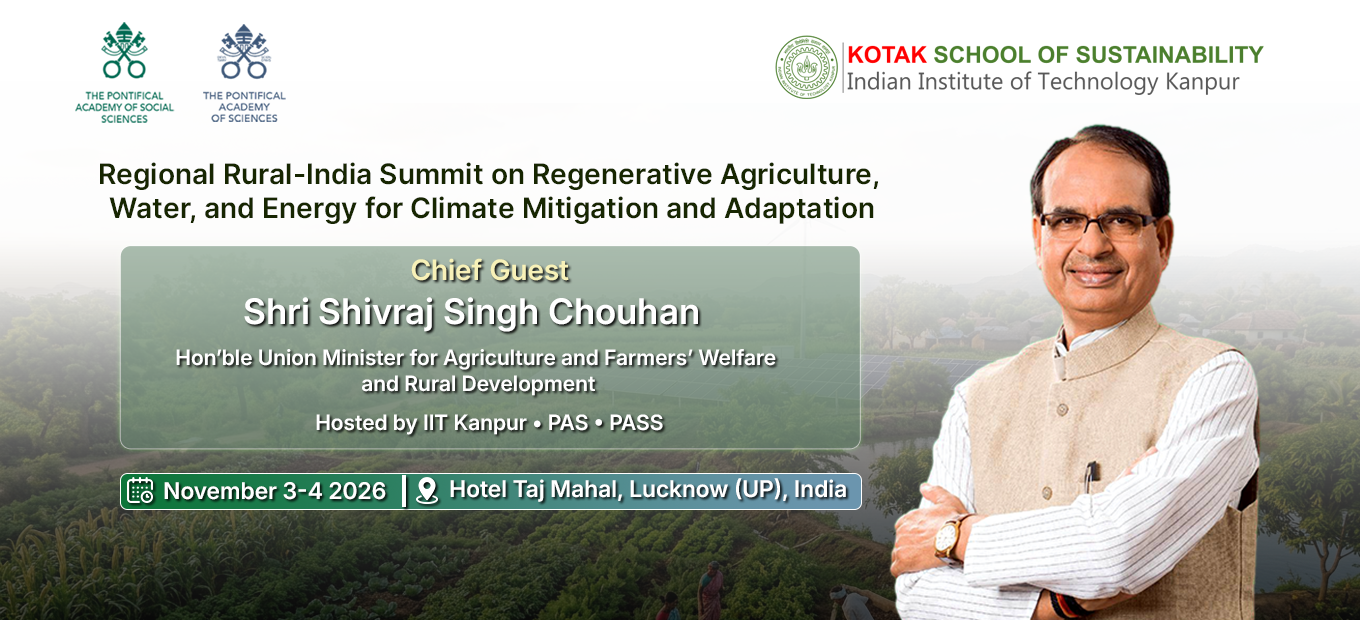
The Regional Rural-India Summit on Regenerative Agriculture, Water, and Energy for Climate Mitigation and Adaptation will be held on 3–4 November 2026 at Hotel Taj Mahal, Lucknow. Jointly convened by the Indian Institute of Technology Kanpur, the Pontifical Academy of Sciences, the Pontifical Academy of Social Sciences, the Summit will bring together eminent scientists, policymakers, practitioners, development leaders, and institutions to deliberate on climate-resilient pathways for rural India. The discussions will focus on strengthening agriculture–water–energy systems through regenerative approaches, scientific innovation, and scalable policy frameworks for sustainable and inclusive development.

Key Focus Areas

Focus 01

Regenerative agriculture and resilient farming systems

Focus 02

Water stewardship and groundwater sustainability

Focus 03

Clean energy transitions for rural ecosystems

Focus 04

Monsoon science and climate-responsive planning

Focus 05

Climate–agriculture–public health linkages

Focus 06

Scalable innovations and technology-driven adaptation

Focus 07

Institutional partnerships and science–policy dialogue

Focus 08

Farmer prosperity, livelihood resilience, and resource efficiency
Speakers

Speaker Profiles

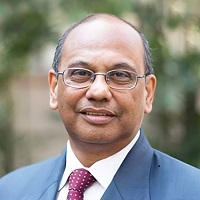
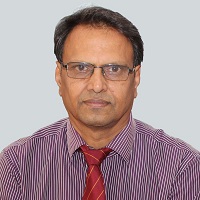
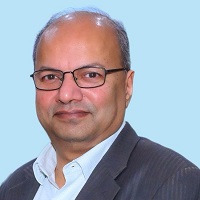
Prof. Manindra Agrawal

Prof. Manindra Agrawal

Director IIT Kanpur

Prof. Shekhar Mande

Prof. Shekhar Mande

President, India’s National Academy of Sciences

H.E Joachim von Braun

H.E Joachim von Braun

President of PAS

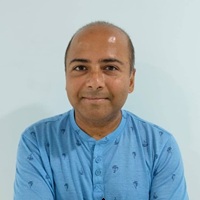
Prof. Sachchida Nand Tripathi

Prof. Sachchida Nand Tripathi

Dean Kotak School of Sustainability, IIT Kanpur

Chancellor Marcelo Suárez-Orozco

Chancellor Marcelo Suárez-Orozco

Council, PASS

H.E. Peter Turkson

H.E. Peter Turkson

Chancellor of PAS & PASS, Laudato Sí and related initiatives
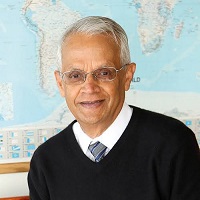
Prof. Veerabhadran Ramanathan

Prof. Veerabhadran Ramanathan

Council PAS

Örjan Gustafsson

Örjan Gustafsson

Professor at Stockholm University in the Department of Environmental Science and the Bolin Centre for Climate Research
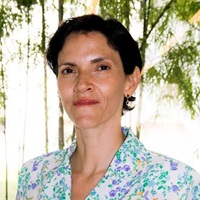
Dr. M. Ravichandran

Dr. M. Ravichandran

Former Secretary Ministry of Earth Sciences (MoES),GoI

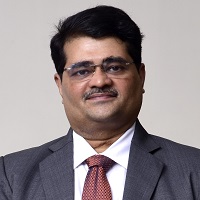
Mr. Bhupinder Singh Bhalla

Mr. Bhupinder Singh Bhalla

Former Secretary Ministry of New and Renewable Energy, GoI
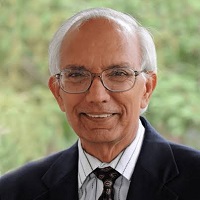
Dr. Rattan Lal

Dr. Rattan Lal

Distinguished University Professor of Soil Sciences, Ohio State University
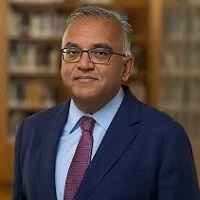
Dr. Ashish Jha

Dr. Ashish Jha

Senior Fellow, Harvard Belfer Center, Co-Founder & CEO, BioRadar
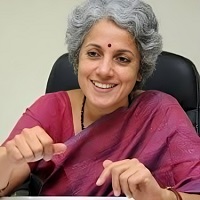
Dr. Soumya Swaminathan

Dr. Soumya Swaminathan

Former Chief Scientist and DDG, WHO

Dr. Anil Prakash Joshi Padma Bhushan

Dr. Anil Prakash Joshi Padma Bhushan

Founder of HESCO Himalayan Environmental Studies and Conservation Organization (HESCO)

Prof. Ashok Gulati

Prof. Ashok Gulati

ICRIER

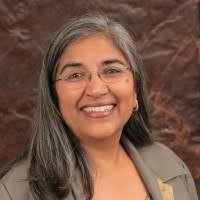
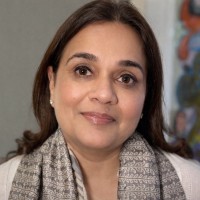
Ms. Reema Nanavaty

Ms. Reema Nanavaty

Director/former General Secretary, Self-Employed Women's Association (SEWA)

Dr. Rajendra Singh

Dr. Rajendra Singh

‘Jal Purush’
Water Conservationist and Environmentalist

Dr. Ajay Mathur

Dr. Ajay Mathur

Former DG ISA
Professor of Practice in the School of Public Policy at IIT, Delhi

Usha Barwale Zehr

Usha Barwale Zehr

Executive Director, Grow Indigo Private Limited

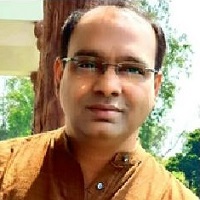
Dr. Rajesh Dubey

Dr. Rajesh Dubey

Asia Regional Representative, Regenagri

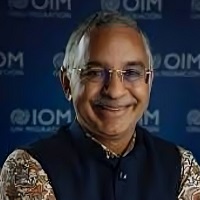
Mr. Sanjay Awasthi

Mr. Sanjay Awasthi

Head , IOM-UN Migration in India

Dr. B Venkateswarlu

Chairman, National Innovations in Climate Resilient Agriculture(NICRA) Expert Committee

Dr. Sanjay Vashist

Dr. Sanjay Vashist

Director , Climate Action Network South Asia (CANSA)

Prof. Sudhir Chella Rajan

Prof. Sudhir Chella Rajan

Department of Humanities and Social Sciences, IIT Madras

Prof. Jayant K Singh

Prof. Jayant K Singh

Chair Professor IITK

Prof. V K Mishra

Prof. V K Mishra

Director, Institute of Agricultural Sciences, BHU

Prof. Dilip Ganguly

Prof. Dilip Ganguly

Centre of Atmospheric Sciences, IIT Delhi

Dr. K. Srinivas Reddy

Dr. K. Srinivas Reddy

Department of Mechanical Engineering, IIT Madras

Prof. Vimal Mishra

Prof. Vimal Mishra

Dr. Kiran C. Patel Centre for Sustainable Development (CSD) at IIT Gandhinagar

Prof. R.B. Bhagat

Prof. R.B. Bhagat

Visiting Professor, Institute for Human Development, New Delhi, Former Professor and Head of the Department of Migration and Urban Studies at the International Institute for Population Sciences (IIPS), Mumbai

Mr. Bharat Bhushan

Mr. Bharat Bhushan

Founding member, People’s Action for National Integration (PANI) Sansthan, based in Ambedkar Nagar, U.P

Anant Chaturvedi

Anant Chaturvedi

Vikalp

Aneesh Jain

Aneesh Jain

Founder Gram Unnati

Sanjeevini Sharma

Sanjeevini Sharma

Founder, Kanpur Ploggers

Sri Harsha

Founder and MD Kritsnam Technologies

Agenda

Agenda at a Glance

Program Overview

The two-day Regional Rural-India Summit on Regenerative Agriculture, Water, and Energy for Climate Mitigation and Adaptation brings together leading scientists, policymakers, practitioners, youth innovators, and development partners to advance an integrated, evidence-based resilience agenda for India’s climate-sensitive regions.

Focuses on scientific foundations, sectoral risks, and systems-level solutions.

Sessions explore the latest monsoon science and its implications for agricultural planning, followed by frontier research on climate risks across the Indo-Gangetic Plains. Discussions emphasize the interconnected effects of climate change on human health, water security, and economic resilience. A Special Address outlines scientific pathways for regenerative and climate-positive agriculture. Afternoon sessions cover climate adaptation finance, district-level leadership, best practices from Bundelkhand, Eastern UP, and the Ganga Basin, and strategies to develop low-carbon, resilient energy systems. The day ends with a youth-led Agri-Resilience Innovation Roundtable on adaptive solutions for water scarcity, heat stress, soil health, and digital extension.

Session Time
Session Titles & Context
Time09:00 - 10:00
(1 hour)
Session 1 - Opening Plenary

Chief Guest
Shri Shivraj Singh Chouhan ji
Hon’ble Minister for Agriculture & Farmers’ Welfare and Rural Development
Prof. Joachim von Braun
President, PAS
Prof. Manindra Agrawal
Director, IIT Kanpur
Prof. Shekhar Mande
President, INSA
Prof. Sachchida Nand Tripathi
Dean, KSS-IIT Kanpur
Time10:05 - 10:35
(30 min)
Session 2 - MAST - A Universal Protocol for Climate Resilience
  • Prof. Veerabhadran Ramanathan Video Message
    Council, PAS
  • Prof. Marcelo Suárez-Orozco
    Chancellor UMass Boston and Council, PASS
Time10:40 - 11:20
( 40 min)
Session 3 - Spotlight

Dr. Anil Prakash Joshi Padma Bhushan
Environmentalist, green activist, and the founder of Himalayan Environmental Studies and Conservation Organization (HESCO)
Prof. Ashok Gulati Padma Shri
Infosys Chair Professor for Agriculture, ICRIER
Dr. Rajendra Singh Magsaysay Award (2001)
Popularly known as the Jal Purush, renowned Water Conservationist and Environmentalist.
Time11:25 - 12:10
(45 min)
Session 4 - The Indian Monsoon: Science, Variability, and Implications for Agricultural Planning

Session Rationale: Recent monsoon seasons in India have exhibited high variability—including delayed onset, uneven rainfall, intense short bursts, and extended dry periods—caused by factors such as El Niño, warming oceans, and changing land–atmosphere interactions. These changes have directly impacted sowing schedules, irrigation requirements, and crop yields across major agricultural areas.

With new evidence from IMD and leading Indian research institutions indicating increasing monsoon unpredictability, reliable sub-seasonal forecasts and climate models are becoming crucial tools for farmers and state agencies. This session will explore how advances in monsoon science can support smarter crop planning, water management, and risk preparedness, helping India develop more climate resilient agricultural systems.
Session Chair
Prof. Sachchida Nand Tripathi
Dean, Kotak School of Sustainability, IIT Kanpur
Panellists
Prof. Dilip Ganguly
Centre of Atmospheric Sciences, IIT Delhi
Prof. Vimal Mishra
IIT Gandhinagar
Prof. Raghu Murtugudde
University of Maryland / KSS IITK
Time12:15 - 13:00
(45 min)
Session 5 - Climate and Clean Energy Transitions: Pathways to Low-Carbon, Climate Resilient Communities

Session Rationale: India’s clean energy transition is accelerating at an unprecedented pace, driven by rapid growth in renewables, declining storage costs, national commitments to net-zero, and an urgent need to address intensifying climate risks. Yet the shift to low-carbon energy is no longer only a mitigation imperative—it has become central to building climate-resilient communities, especially in regions facing extreme heat, rising electricity demand, water scarcity, and agricultural vulnerability.

Recent developments highlight the scale and importance of this transformation. The emergence of solar-powered irrigation, climate-smart cold chains, clean energy for health facilities, and battery-enabled rural microgrids is reshaping both agricultural systems and community services. The expansion of green hydrogen, distributed renewables, and energy-efficient technologies is opening new pathways for decarbonisation while enhancing reliability and reducing climate-exposure risks for farmers, households, and local economies. At the same time, increasing heatwaves and peak power loads underscore the need for adaptive, decentralized, and resilient energy systems that can protect livelihoods, power essential services, and enable climate-safe food production.

This session explores how integrated climate and clean-energy strategies can support India’s transition to low-carbon, heat-resilient, and socially inclusive communities. It will examine frontier innovations, financing mechanisms, and policy shifts shaping this space—ranging from renewable-powered water systems and agri-value chains to energy access for health, education, and local governance. By bringing together energy planners, climate scientists, resilience practitioners, and state leaders, the discussion will highlight actionable pathways for scaling clean energy solutions that reduce emissions, enhance adaptive capacity, and strengthen community well-being across climate-vulnerable regions.
Keynote Address
Mr. Arun Sharma
Group Head for Sustainability and Climate Change and Advisor to the Chairman of Adani Group. Distinguished Professor Emeritus at QUT, and chairs the Council of QIMR Berghofer Medical Research Institute*
Session Chair
Mr. Mohit Dhawan
CEO, HPCL Renewables and Green Energy Ltd.*
Panellists
Dr. K. Srinivas Reddy
Department of Mechanical Engineering, IIT Madras
Dr. Ajay Mathur
Distinguished Professor IIT Delhi, Former Director General, ISA
Mr. Bhupinder Bhalla
Former Secretary Ministry of New & Renewable Energy, GoI
Time13:00 - 14:00
(1 hour)
LUNCH BREAK
Time14:05 - 14:45
(45 min)
Session 6 - Climate Change and Public Health in South Asia: Interlinked Heat, Air Quality, and Water Risks, Integrated Solutions, and Community Resilience

Session Rationale: Climate change is heightening public health risks across South Asia, a region already characterised by high population density, climate-sensitive livelihoods, and stressed health and water systems. Intensifying heat extremes, shifting monsoon behaviour, deteriorating air quality, and more frequent water-related disasters are driving significant health impacts from heat stress and dehydration to respiratory illnesses, vector-borne diseases, and nutrition-related vulnerabilities. Recent events across the region including record-breaking heatwaves in India, Pakistan, and Bangladesh, prolonged humidity stress, urban air pollution episodes, and climate-linked outbreaks of dengue, cholera, and diarrhoeal diseases underscore how environmental changes directly affect farmers, informal workers, and low-income communities.

Climate impacts on agriculture such as crop losses, irrigation stress, soil degradation, and disruptions to food supply chains further compound public health risks by affecting household nutrition, income stability, and occupational safety.

This session explores these interlinked climate–health–agriculture–water challenges, drawing on emerging solutions from across South Asia, including heat-health action plans, climate-informed disease surveillance, early warning systems, nutrition-sensitive and climate-smart agriculture, clean energy for health and farm systems, and improved community-led water management. By convening experts from health, agriculture, water, and climate science, the session aims to advance coordinated, region-wide approaches that protect vulnerable populations, strengthen food and health systems, and build climate-resilient communities across South Asia.
Session Chair
Dr. Arvind Kumar
Founder and Managing Trustee of the Lung Care Foundation. Chairman, Institute of Chest Surgery, Chest Onco-Surgery & Lung Transplantation and Chairman, Medanta Robotic Institute*
Panellists
Prof. Orjan Gustafsson
PAS & Stockholm University, Sweden
Dr. Ashish Jha
Senior Fellow, Belfer Center, Harvard Kennedy School & Co-Founder & CEO, BioRadar
Dr. Soumya Swaminathan
Former Chief Scientist and DDG, WHO
Time14:50 - 15:35
(45 min)
Session 7 - Local Leadership in Action: Mayors and District Administrators for Resilient Agriculture: Best practices from UP on heat-stress management, water harvesting, and farm diversification

Session Rationale: Local governments play a pivotal role in translating climate adaptation strategies into action on the ground. Across Bundelkhand, Eastern Uttar Pradesh, and the Ganga Basin, district administrations and community-led efforts are demonstrating scalable models for resilience. In Bundelkhand, initiatives supported by the International Water Management Institute (IWMI) and local authorities in Banda are restoring groundwater through bunds, ponds, and soak pits reviving landscapes long affected by drought. In the Ganga Basin, programs under the National Mission for Clean Ganga (NMCG) are advancing integrated water and land management to enhance agricultural sustainability. Recent global dialogues, including the UN Ocean Conference (2025), underscore the growing importance of empowering local leaders as catalysts for climate-resilient development. This session will showcase best practices and identify ways to strengthen local governance, investment, and institutional capacity for resilient agriculture in India’s most climate sensitive regions.
Panelists
Ms. Sushma Kharakwal
Lucknow
Ms. Pramila Pandey
Kanpur
Shri Ganesh Kesarwani
Prayagraj
Shri Ashok Tiwari
Varanasi
Time15:40 - Onwards
Networking
Time18:30 - 19:30
Cultural Program by Kalanidhi – The Centre for Performing Arts, Kanpur
Time19:30 - Onwards
Dinner
Shifts to policy integration, state-led strategies, traditional knowledge, and global partnerships.

Sessions examine policy coherence across national, state, and local levels, followed by state-level strategies from East UP, and Bihar (a major part of the Indo-Gangetic plains) on scaling resilient and sustainable agricultural practices. Discussions highlight traditional knowledge, women-led community adaptation models, and global cooperation for climate resilience. The afternoon features community driven innovations for livelihoods and nutrition, along with a forward-looking science–policy foresight session that sets India’s long-term research and innovation agenda. The Summit concludes with a joint statement on climate adaptation and resilience in agriculture, outlining commitments and contributions to the Vatican Universal Protocol for Climate Resilience.

Session Time
Session Titles & Context
Time09:15 - 10:00
(45 min)
Session 1 - Climate Resilience and Global Faith Initiatives

Key Note Speakers
His Eminence Cardinal Peter Turkson
Chancellor, PAS & PASS
Shri Sadh guru
Time10:05 - 10:50
(45 min)
Session 2 - Regenerative Agriculture: Climate Solution

Session Rationale: Indian agriculture faces a pivotal moment. Traditional climate-smart agriculture and resilience strategies have helped manage variability and risk, but they fall short of fully restoring degraded soils, repairing hydrological systems, improving energy efficiency, and lowering emissions at the landscape level. Emerging scientific evidence and practice indicate that regenerative agriculture an approach that rebuilds soil health, boosts water retention and groundwater recharge, integrates biodiversity, and reduces greenhouse gases provides a more transformative pathway for climate adaptation and sustainability.

This session will bring together scientists, policymakers, innovators, and practitioners to explore scientific approaches for implementing regenerative agriculture in India. It will showcase how advances in soil science, hydrology, precision agriculture, clean energy integration, and digital monitoring can align with national missions (such as the National Mission for Sustainable Agriculture, soil health programs, and state climate action plans) to help farmers develop climate-positive food systems.

The session will examine how these science-based approaches can be turned into practical policies, investment strategies, and scalable practices allowing agriculture to not only adapt to climate change but also become a positive force for ecosystem restoration and climate mitigation.
Dr Rattan Lal Video Message / Online
Distinguished University Professor of Soil Sciences, Ohio State University
Session Chair
Prof. Ashok Gulati
ICRIER
Panelists
Dr Usha Barwale Zehr
Executive Director, Grow Indigo Private Limited
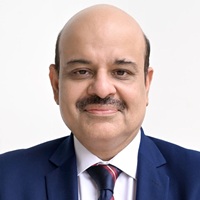
Dr. Rajesh Dubey
Asia Regional Representative, Regenagri
Prof V K Mishra
Director, Institute of Agricultural Sciences, BHU
Time10:55 - 11:40
(45 min)
Session 3 - Traditional Knowledge and Community-Led Adaptation

Session Rationale: In the drought-prone landscapes of Bundelkhand and the transitional agro-ecologies of the Terai region, locally-rooted adaptation strategies are proving critical to farm-level resilience. Community-driven efforts such as water harvesting using check dams and ponds have helped recharge groundwater and restore cropping potential in Bundelkhand. With climate variabilities increasing vulnerability—especially for women-led and indigenous farming systems—this session will spotlight initiatives that integrate traditional knowledge, women’s networks and community institutions into climate-smart agriculture planning. It will explore how grassroots models of soil-water conservation, agro-forestry and local seed systems can be scaled and embedded in formal policy pathways to strengthen adaptation at the village and block levels.
Session Chair
Prof Vimal Mishra
Dr. Kiran C. Patel Centre for Sustainable Development (CSD) at IIT Gandhinagar
Panelists
Dr B Venkateswarlu
Chairman, National Innovations in Climate Resilient Agriculture (NICRA) Expert Committee
Ms. Reema Nanavati
Director/former General Secretary, Self-Employed Women's Association (SEWA)
Ms. Naseem Shaikh
Chief Executive Officer (CEO), SSP- Swayam Shikshan Prayog
Time11:45 - 12:30
(45 min)
Session 4 - Climate-Driven Migration

Session Rationale: India is increasingly witnessing climate-linked migration driven by recurring floods, droughts, heat stress, groundwater depletion, and declining agricultural viability across several regions. Climate pressures in vulnerable geographies such as the Indo-Gangetic Plains, coastal belts, drought-prone districts, and Himalayan ecosystems are intensifying livelihood insecurity and accelerating rural-to-urban migration.

This session will examine the emerging patterns of climate-driven mobility in India, its implications for agriculture, urban systems, public health, and social equity, and the policy and adaptation strategies required to build resilient communities and sustainable livelihoods.
Session Chair
Dr. Sanjay Vashist
Director, Climate Action Network South Asia (CANSA)

Panelists
Prof. Sudhir Chella Rajan
Department of Humanities and Social Sciences, IIT Madras
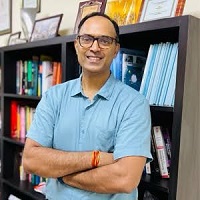
Prof. R.B. Bhagat
Visiting Professor, Institute for Human Development, New Delhi; Former Professor and Head of the Department of Migration and Urban Studies at the International Institute for Population Sciences (IIPS), Mumbai.
Mr. Sanjay Awasthi
Head, IOM-UN Migration in India
Time13:30 - 14:30
(1 hour)
LUNCH BREAK
Time14:40 - 15:25
(45 min)
Session 5 - Science–Policy Foresight for Climate Adaptation and Resilience

Session Rationale: India’s accelerating climate risks from intensifying heat and erratic monsoons to pressures on agriculture, water, health, and energy systems demand a forward-looking, science-driven adaptation strategy. With rapid advances in climate modelling, AI-enabled forecasting, resilient crops, public-health surveillance, and decentralized clean energy, the country now has an unprecedented opportunity to shape a long-term research and innovation agenda that strengthens national resilience.

This session brings together science leaders and policymakers to identify the next decade’s priorities for climate adaptation research spanning climate science, agri-resilience, heat-health systems, water security, nature-based solutions, energy transitions, and community resilience. The discussion will focus on strategic foresight, institutional readiness, and the pathways needed to integrate cutting-edge science into policy, planning, and implementation across India’s climate-sensitive regions.
Keynote Speakers
Dr. M. Ravichandran
Former Secretary, Ministry of Earth Sciences (MoES)
Ms. Poorvi Mehta
Senior Advisor, Global Center for Adaptation*
Prof. Jayant Singh
Chair Professor, IIT Kanpur
Time15:30 - 16:15
(45 min)
Session 6 - East Uttar Pradesh and Bihar - Scaling Resilience through Community-Driven Agriculture

Session Rationale: In the flood- and drought-prone districts of Eastern Uttar Pradesh and Bihar, community-driven agricultural innovations are enabling resilience where vulnerability has long been the rule. Research by ICAR-CRIDA on “Promising Climate-Resilient Technologies for Bihar” shows how practices such as raised-bed cultivation, alternate wetting and drying, crop diversification and bunding are being demonstrated across 13 vulnerable districts. These innovations link climate adaptation directly to livelihoods and nutrition outcomes shifting smallholder farms from reactive coping to proactive resilience. This session will showcase these locally rooted models, draw lessons for scaling community-led systems, and explore how they can be scaled through institutional partnerships and state support systems in the Indo-Gangetic Plains.
Session Chair
TBC*
Session Chair
Panelists
Shri Ravinder, IAS
Principal Secretary for Agriculture, Government of Uttar Pradesh*
Shri Narmdeshwar Lal, IAS
Principal Secretary for Agriculture, Government of Bihar*
Mr. Bharat Bhushan
Founding member, People’s Action for National Integration (PANI) Sansthan, based in Ambedkar Nagar, U.P.
Time16:20 - 17:05
(45 min)
Session 7 - Youth-Led Consultation Roundtable on: Adaptive solutions for water scarcity, heat stress, soil health, and digital extension in UP

Session Rationale: Uttar Pradesh is rapidly emerging as a hub for agri-tech innovation, driven by strong government support for entrepreneurship and technology-led solutions. With a ₹1,000 crore Startup Fund and 63 incubation centers across 23 districts, the state is nurturing young innovators to address critical challenges in water scarcity, soil health, and digital extension. Leveraging its diverse agro-climatic zones, UP provides an ideal testing ground for scalable, climate-smart technologies—from IoT-based water management and AI-driven crop advisory tools to soil monitoring and precision agriculture systems. This youth-led roundtable will bring together early-stage entrepreneurs, researchers, and grassroots innovators to co-develop adaptive solutions aligned with national initiatives such as the Indian Digital Ecosystem for Agriculture (IDEA) and the Pitch-Pilot Scale Challenge under AMRUT 2.0. By linking innovation with local needs, the session aims to chart a roadmap for youth-driven resilience in UP’s agricultural transformation.
Session Chair
Anant Chaturvedi
Vikalp
Panelists
Aneesh Jain
Agri Entrepreneur
Sanjeevini Sharma
Grassroot Water/river worker
Sri Harsha
Water Entrepreneur
Time17:10 - 17:40
(30 min)
Session 8 - Closing Ceremony

Prof. Sachida Nand Tripathi
Dean, Kotak School of Sustainability, IIT Kanpur
PAS
INSA
Time18:00 - Onwards
Media Interaction and Refreshments
Registration

Summit Registration

Please select your registration type below to fill out the form.
contact

Contact & Venue location

IIT Kanpur Logo

भारतीय प्रौद्योगिकी संस्थान कानपुर

Indian Institute of Technology Kanpur

Conference Chair
Prof. Sachchida Nand Tripathi

Prof. Sachchida Nand Tripathi

Dean — Kotak School of Sustainability
Project Director — Airawat Research Foundation
AI CoE for Sustainable Cities