
ASI Symposium 008: The Dynamic Radio Sky
India's Roadmap for the Time-Domain Era — Building India's roadmap for the next generation of radio transient astronomy
—Days
:—Hours
:—Min
:—Sec
Scroll
India's Roadmap for the Time-Domain Era — Building India's roadmap for the next generation of radio transient astronomy
Three days of talks and discussions
PBCEC, Visitors' Hostel I
Focused interactive meeting
FRBs to the SKA era
State-of-the-art talks
Free with complimentary meals
India's roadmap for SKA
Multiple presentation formats
About the Conference
Radio transient astronomy has entered a transformative era. Advances in wide-field radio surveys, rapid-response observing, and multi-wavelength and multi-messenger astronomy have revealed an extraordinary diversity of transient and variable phenomena, spanning timescales from milliseconds to years. At the same time, next-generation facilities—most notably the Square Kilometre Array (SKA)—are poised to revolutionize our understanding of the dynamic Universe.
ASI Symposium 008: The Dynamic Radio Sky: India's Roadmap for the Time-Domain Era is a national conference that will bring together researchers working across the broad spectrum of radio transient astrophysics. The meeting will provide a platform to present recent scientific discoveries, discuss emerging observational and theoretical challenges, and explore the transformative opportunities that lie ahead in the SKA era.
The conference will feature invited review talks, contributed oral and poster presentations, and interactive scientific discussions covering Fast Radio Bursts, Galactic and extragalactic radio transients, compact objects, explosive phenomena, multi-messenger astronomy, instrumentation, and next-generation surveys. By bringing together researchers from diverse areas of transient astrophysics, the meeting aims to foster new collaborations, strengthen the national transient science community, and help define scientific priorities for the coming decade.
Why Now?
The coming years promise to be transformative for radio transient astronomy. Existing facilities such as the uGMRT, MeerKAT, ASKAP, LOFAR, VLA, and CHIME, together with major multi-wavelength and multi-messenger observatories, are already delivering unprecedented discoveries. The upcoming Square Kilometre Array (SKA) will further revolutionize our ability to discover and study transient phenomena through its exceptional sensitivity, survey speed, and observational capabilities.
As India continues to play an important role in the global radio astronomy landscape, this is an ideal time to bring together researchers from across the country to discuss emerging scientific opportunities, strengthen collaborations, and prepare for the next generation of radio transient science in the SKA era.
The conference is intended for faculty members, postdoctoral researchers, graduate students, and advanced undergraduate students working in radio astronomy, time-domain astrophysics, high-energy astrophysics, multi-messenger astronomy, astronomical instrumentation, data science, and related areas.
Researchers interested in the scientific opportunities offered by the next generation of radio facilities, particularly the SKA, are especially encouraged to participate.
Scientific Themes
The conference covers a broad range of topics spanning observational discoveries, theoretical interpretation, instrumentation, and future opportunities.
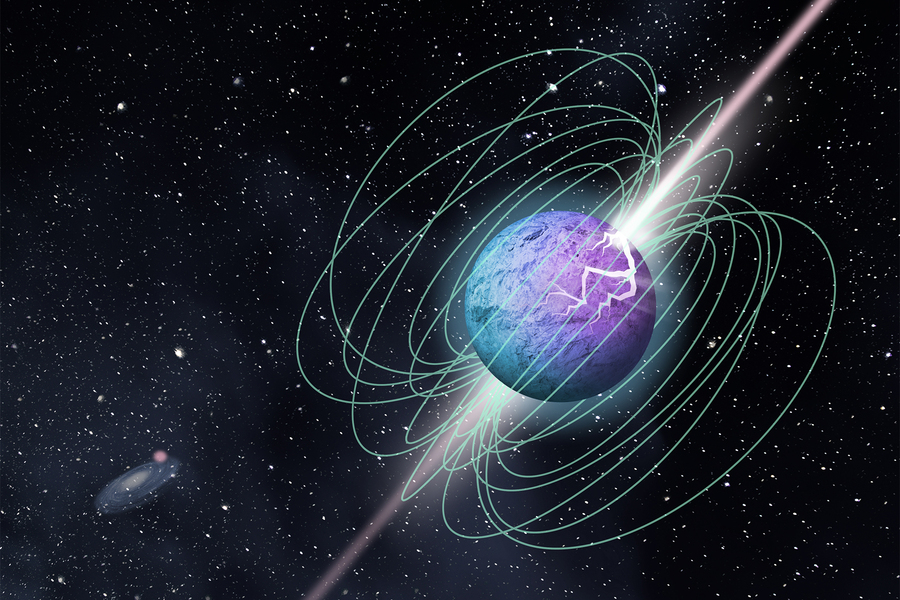
Theme 01
Fast Radio Bursts (FRBs) have emerged as one of the most exciting discoveries in modern astrophysics, providing unique probes of compact objects, galaxy evolution, cosmology, and the ionized Universe.
This theme will cover observational and theoretical aspects of FRBs and other short-duration extragalactic radio transients, including source populations, emission mechanisms, propagation effects, localization, host galaxies, giant pulses, and future opportunities with next-generation radio facilities.

Theme 02
Coherent radio emission provides a powerful window into extreme plasma physics and compact astrophysical systems.
This theme includes magnetars, rotating radio transients (RRATs), intermittent pulsars, long-period radio transients, stellar and planetary radio emission, solar radio bursts, and newly discovered coherent Galactic sources. Contributions exploring new observational discoveries, theoretical models, and future survey opportunities are encouraged.
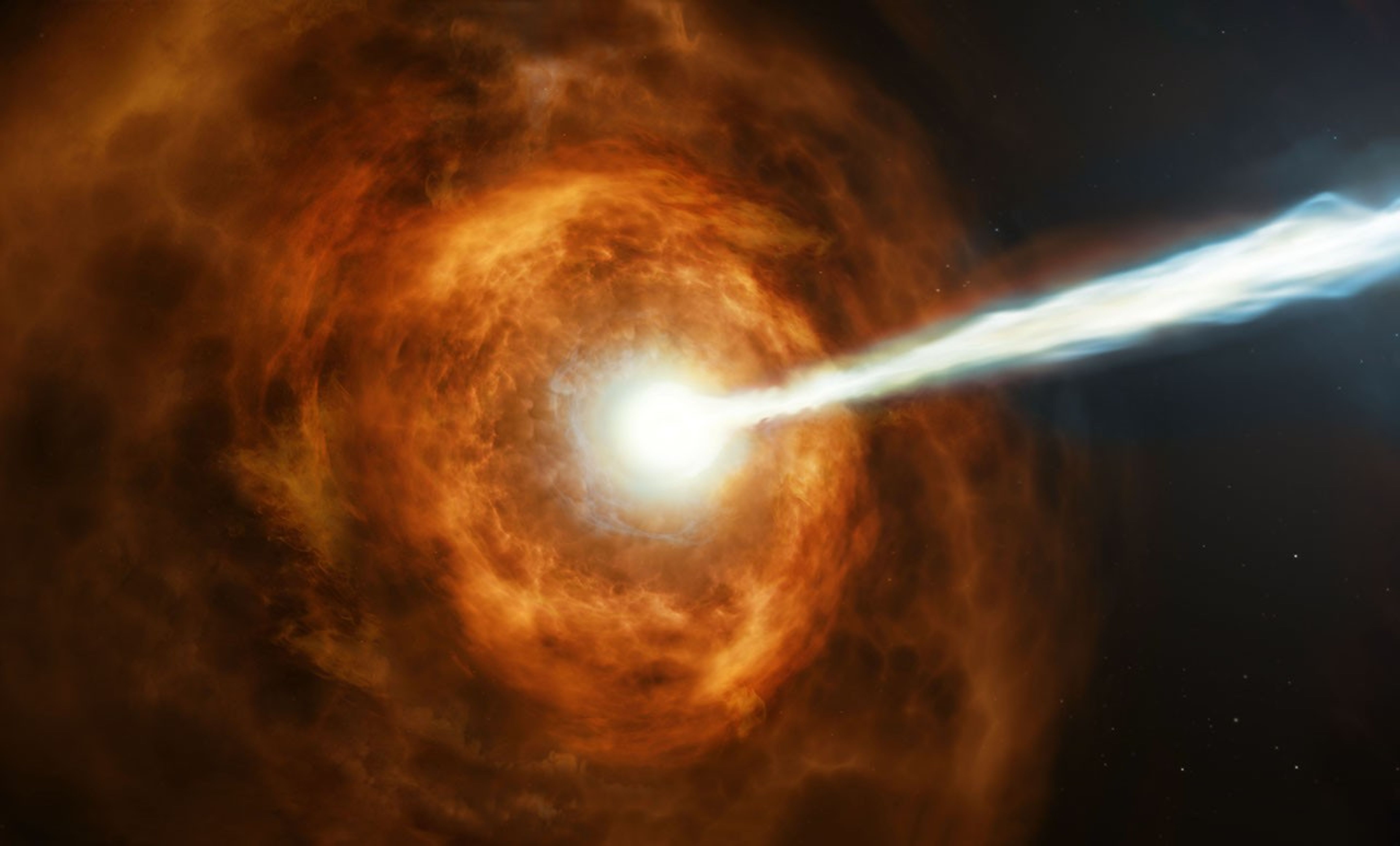
Theme 03
Many of the most energetic phenomena in the Universe are revealed through their transient radio emission.
This theme encompasses radio supernovae, gamma-ray burst afterglows, fast-evolving optical transients, X-ray binaries, transient jets, disk–jet coupling, transient accretion episodes, tidal disruption events, active galactic nuclei, and relativistic jet phenomena. Contributions exploring the physics of explosive events, accretion, and jet formation across multiple wavelengths are welcome.
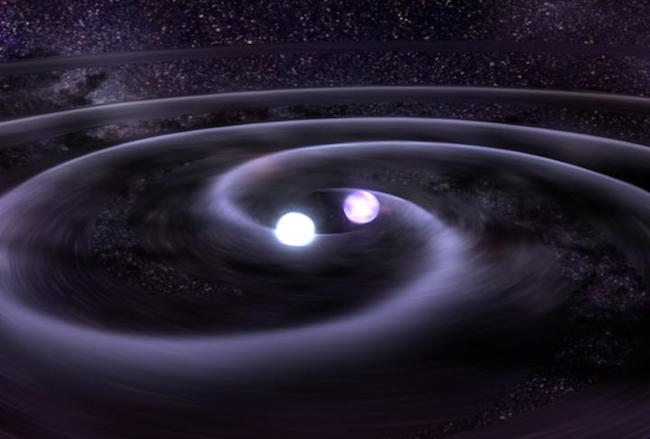
Theme 04
Modern transient astronomy increasingly relies on coordinated observations across the electromagnetic spectrum and beyond.
This theme focuses on gravitational-wave counterparts, neutrino associations, high-energy transients, rapid follow-up strategies, coordinated observing campaigns, and the scientific opportunities enabled by multi-wavelength and multi-messenger observations.
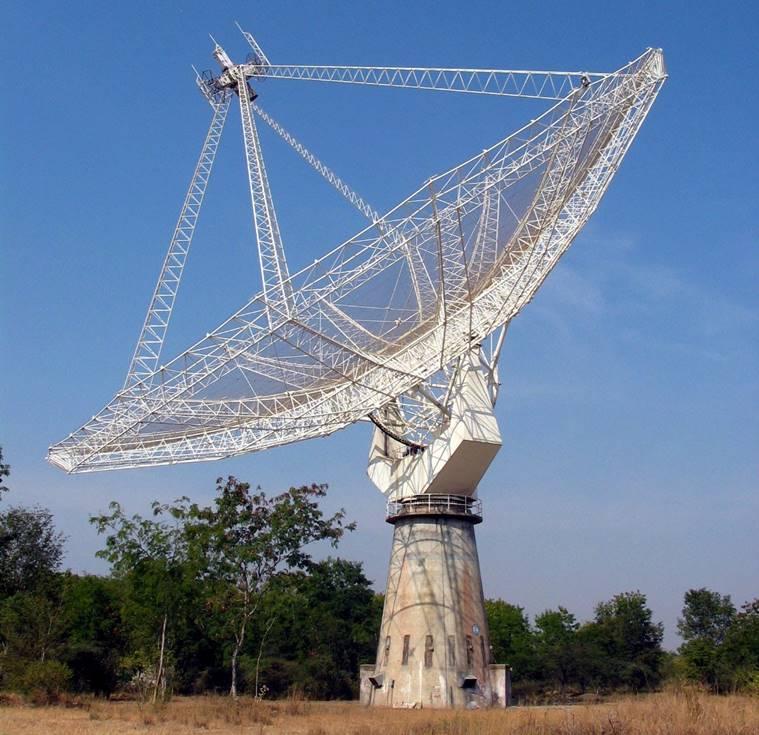
Theme 05
The next generation of transient discoveries will depend on advances in instrumentation, survey design, and data processing.
Topics include radio transient surveys with the uGMRT, SKA precursors and pathfinders, real-time transient detection pipelines, machine learning applications, radio-frequency interference mitigation, calibration strategies, and emerging data-analysis techniques for large time-domain datasets.
Theme 06
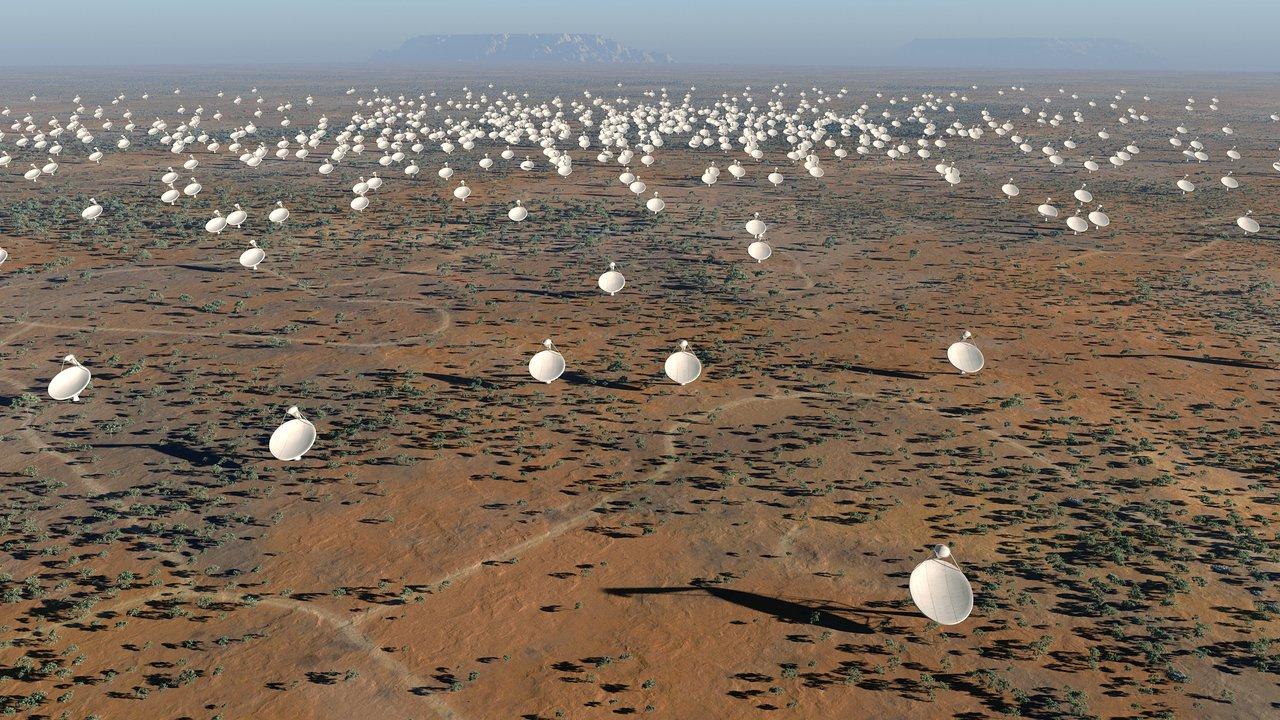
The Square Kilometre Array will transform radio transient astronomy through unprecedented sensitivity, survey speed, and observational capabilities.
This theme will explore scientific opportunities with the SKA, Science Verification preparations, survey strategies, community readiness, international collaborations, and pathways for maximizing India's scientific contributions to future SKA transient science programmes.
We particularly encourage contributions that bridge traditional scientific boundaries, integrate observations across multiple facilities or wavelengths, and highlight emerging opportunities for transient science in the coming decade. Submissions from students and early-career researchers are especially welcome.
Important Dates
Online registration and abstract submission form is now available.
Final date for submitting abstracts through the online registration form.
Authors will be notified of the outcome of the abstract review process.
Three days of invited talks, contributed presentations, poster sessions, and scientific discussions at IIT Kanpur.
Get Involved
The conference is designed as a focused and highly interactive scientific meeting. Participation is by selection based on submitted abstracts.
Registration and abstract submission will be carried out through a single online registration form. Authors are invited to submit abstracts describing original research relevant to the scientific themes.
During registration, participants may indicate their preferred presentation format:
As the number of oral presentation slots is limited, some submissions requesting an oral presentation may be offered a poster presentation based on SOC recommendations.
Applications are welcome from:
To encourage meaningful scientific interaction, participation is limited to approximately 60 participants.
Abstracts will be evaluated by the Scientific Organising Committee based on their:
Selected participants will be invited to present either an oral or poster contribution.
Limited financial support will be available for selected participants requiring travel and/or accommodation assistance, subject to the availability of funds. Applicants requiring financial support will be able to indicate their requirements during the registration process.
Professional Behavior: Inappropriate comments, jokes, or behavior such as harassment, sexism, racism, or exclusion are unacceptable. Harassment includes disruptions of talks or events, unwelcome physical contact, sexual attention or innuendo, intimidation, stalking, unauthorized photography or recording.
Respectful Communication: All interactions should be suitable for a diverse professional audience. Avoid using sexual or sexist language or imagery.
Consideration for Others: Treat fellow attendees with consideration and respect. Refrain from insulting or belittling others. Focus on critiquing ideas rather than individuals.
Harassment-Free Environment: We are committed to providing a harassment-free experience for everyone. Harassment, discrimination, or retaliation for reporting violations of this code will not be tolerated. Violators may face sanctions or expulsion at the organizers' discretion.
Reporting: If you experience or witness harassment, contact our LOC. We take every report seriously and will respond promptly. Retaliation against those reporting harassment will not be tolerated.
Consequences: Individuals asked to cease harassing behavior must comply immediately. The organisers may take appropriate action, including expulsion from the meeting and notifying local authorities, if necessary.
Registration and abstract submission is now open. Submit your abstract to join this focused scientific meeting.
Register & Submit AbstractLocation
Pioneer Batch Continuing Education Centre (PBCEC)
Visitors' Hostel I
Indian Institute of Technology Kanpur
Kanpur, Uttar Pradesh, India
Located within the beautiful and green campus of the Indian Institute of Technology Kanpur, the Pioneer Batch Continuing Education Centre (PBCEC) provides an excellent setting for scientific meetings, with modern conference facilities, comfortable accommodation nearby, and easy access to the conference venue.
The nearest airport is Kanpur Airport (KNU), with limited domestic connectivity. Chaudhary Charan Singh International Airport, Lucknow (LKO) offers a wider range of domestic and international flights, approximately 90 km from IIT Kanpur.
Kanpur is one of the major railway hubs in northern India. Nearest stations: Kanpur Central (CNB) ~15 km and Govindpuri Junction (GOY) ~13 km from IIT Kanpur.
Kanpur is well connected by national highways to Lucknow, Delhi, Agra, Prayagraj, Varanasi, and other major cities. App-based taxi services (Uber and Ola) are readily available.
| Location | Distance to IIT Kanpur | Typical Travel Time |
|---|---|---|
| Kanpur Airport (KNU) | ~20 km | 35–45 min |
| Lucknow Airport (LKO) | ~90 km | 1.5–2 hours |
| Kanpur Central Railway Station | ~15 km | 30–40 min |
| Govindpuri Junction | ~13 km | 25–35 min |
October is generally one of the most pleasant times of the year in Kanpur. Typical daytime temperatures range between 28–33°C, while evenings are usually comfortable, with temperatures around 18–22°C. Light cotton clothing is generally suitable during the day, while a light jacket may be useful during the evening.
Accommodation will be arranged for invited speakers and for selected participants receiving accommodation support, subject to the availability of funds. Additional information will be communicated directly to selected participants closer to the conference dates.
Conference help desk phone, student volunteer contacts, emergency contacts, and registration desk timings will be shared with participants closer to the conference dates.
Invited Speakers
The conference will feature invited review talks by leading researchers working across the broad spectrum of radio transient astrophysics. These talks are intended to provide state-of-the-art overviews of major scientific developments, highlight outstanding challenges, and discuss emerging opportunities in the era of next-generation radio facilities, particularly the SKA.
Indian Institute of Astrophysics (IIA)

National Centre for Radio Astrophysics (NCRA-TIFR)

National Centre for Radio Astrophysics (NCRA-TIFR)
Inter-University Centre for Astronomy and Astrophysics (IUCAA)
National Centre for Radio Astrophysics (NCRA-TIFR)
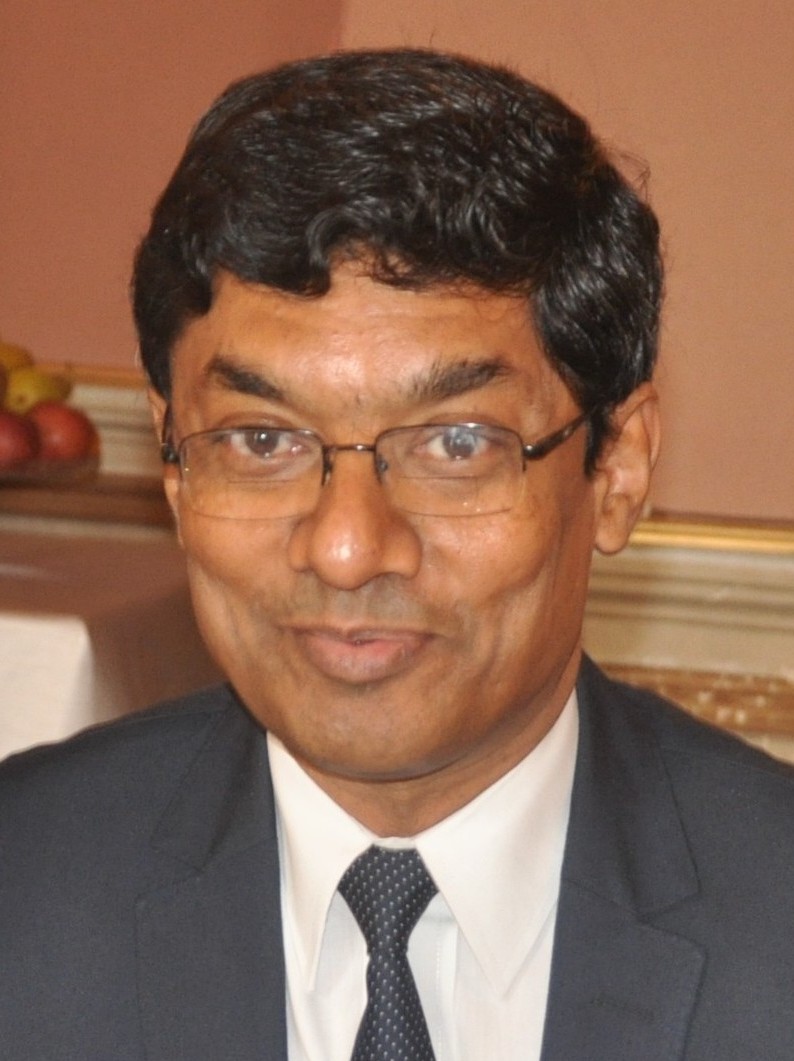
National Centre for Radio Astrophysics (NCRA-TIFR)
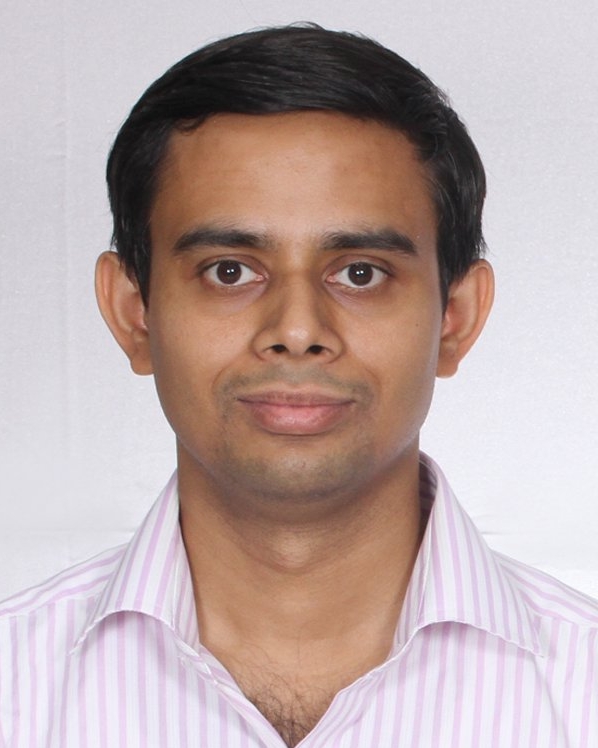
National Centre for Radio Astrophysics (NCRA-TIFR)

Indian Institute of Science Education and Research (IISER) Bhopal
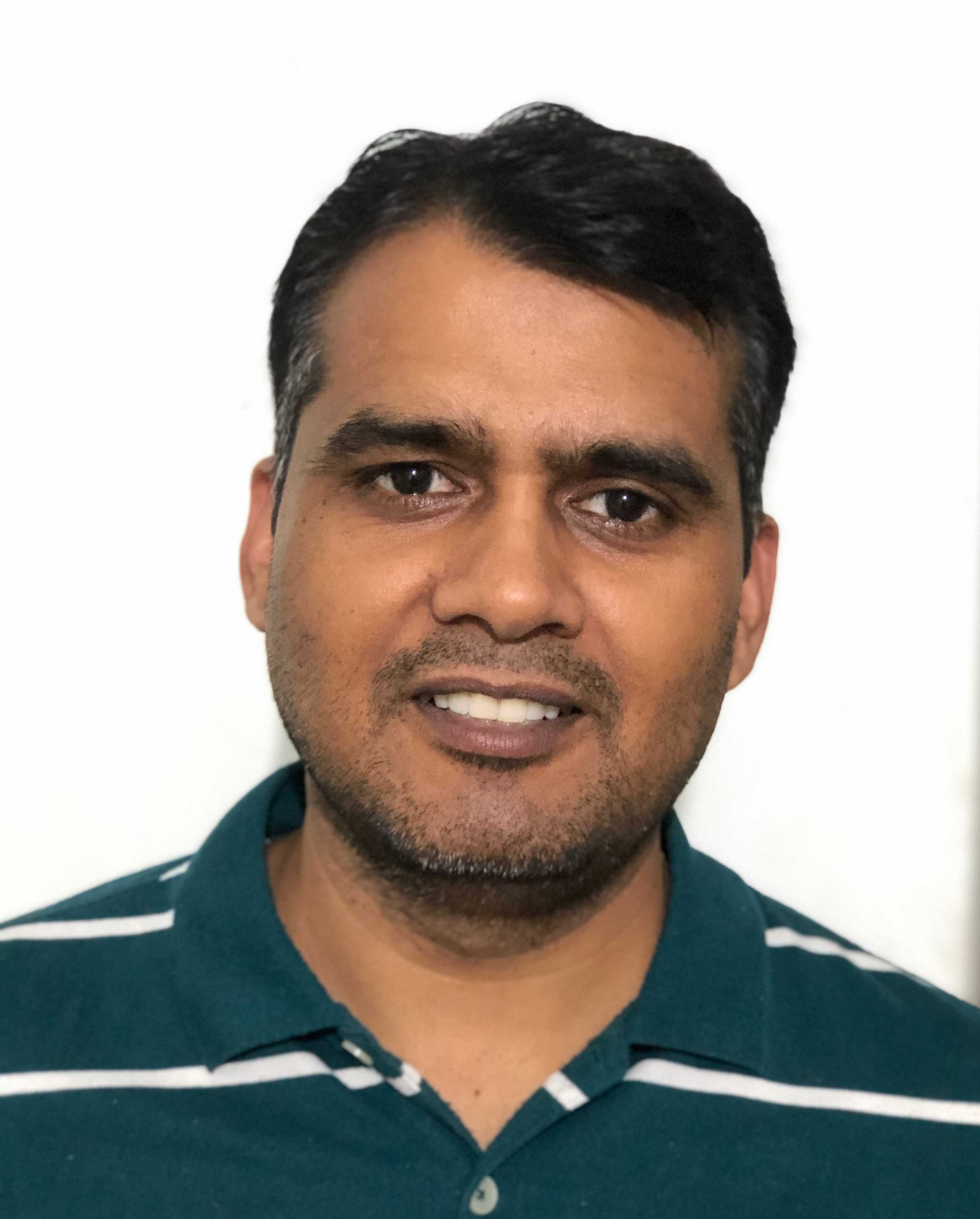
National Centre for Radio Astrophysics (NCRA-TIFR)
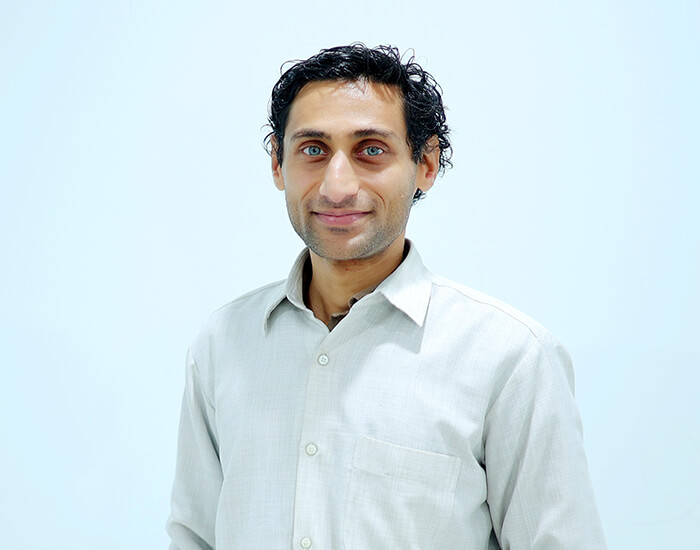
Indian Institute of Technology Kanpur
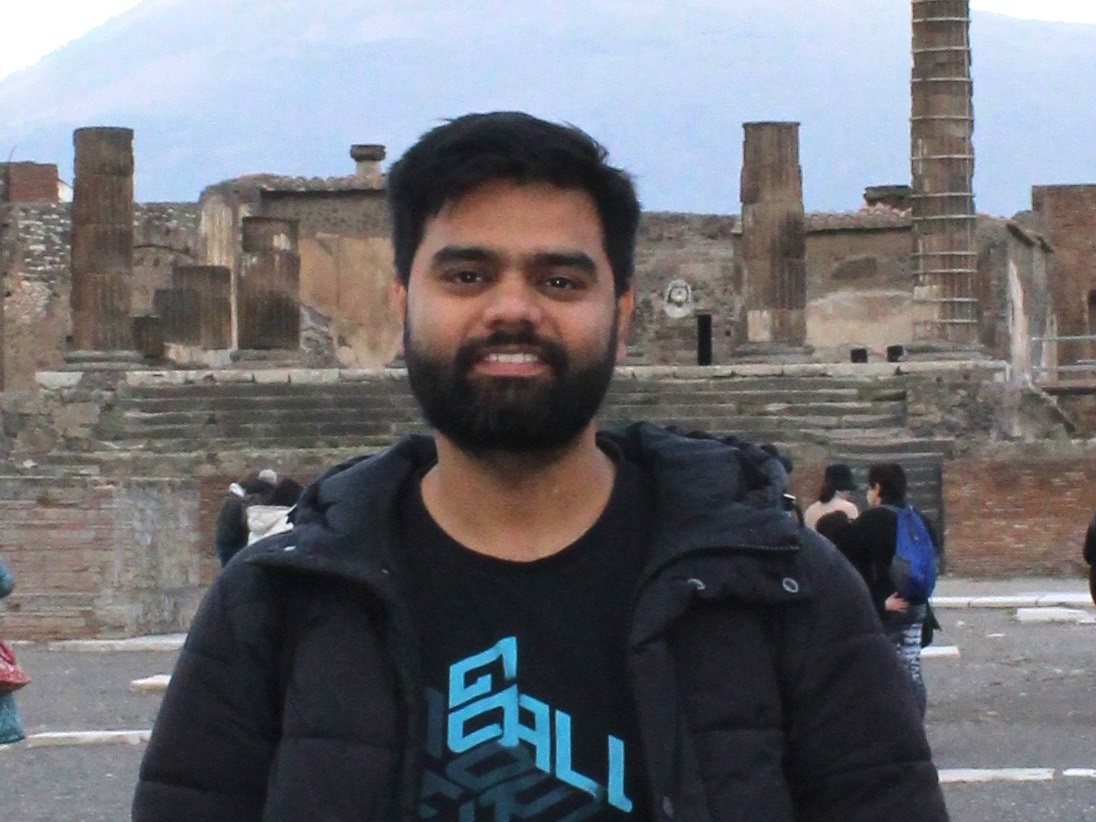
Indian Institute of Technology Kanpur
The titles and abstracts of the invited talks will be announced closer to the conference. Additional information about the invited speakers, including brief biographies, will also be made available in due course.
Organisation
The conference is organized by the following Scientific and Local Organising Committees.

Chair
Indian Institute of Technology Kanpur
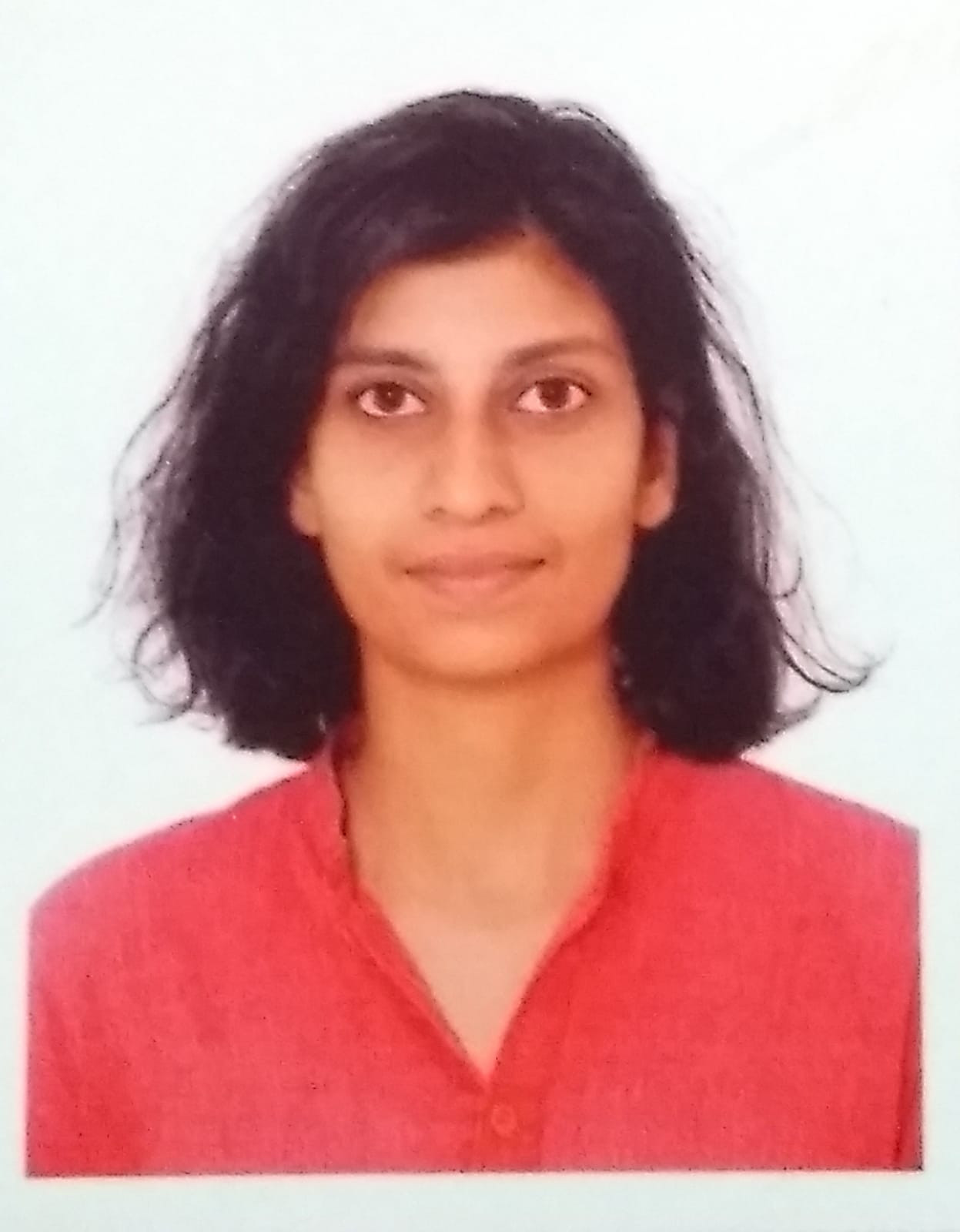
Indian Institute of Space Science and Technology (IIST)
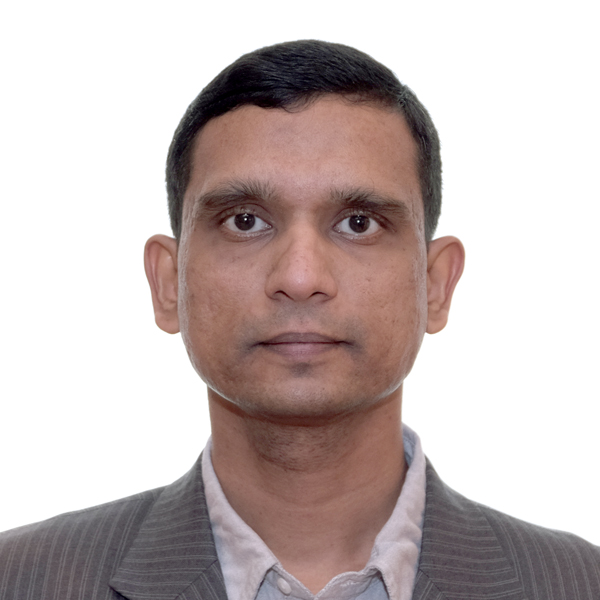
National Centre for Radio Astrophysics (NCRA–TIFR)

Physical Research Laboratory (PRL)
Aryabhatta Research Institute of Observational Sciences (ARIES)
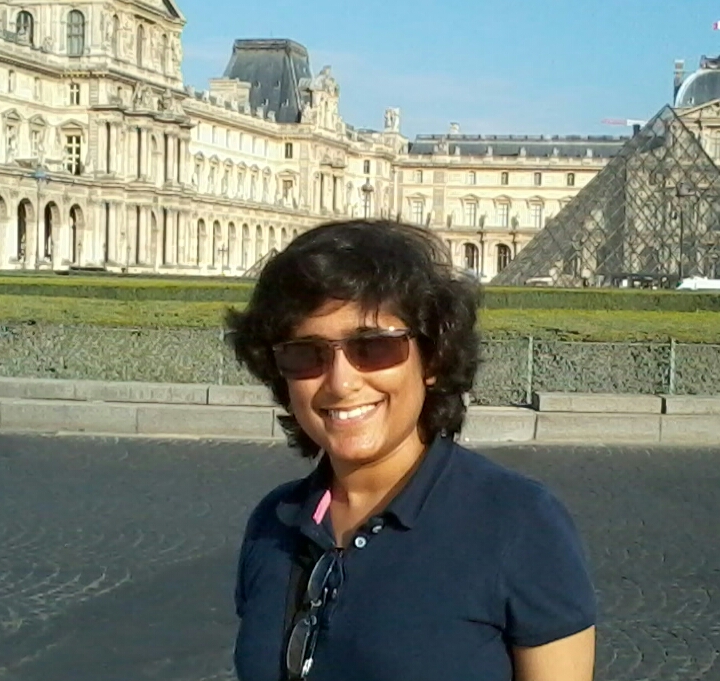
Indian Institute of Technology Indore
Dr. Mohit Bhardwaj
Assistant Professor, IIT Kanpur
Sagar Khare
PhD IIT Kanpur
Mohd Intakhab Alam
M.Tech IIT Kanpur
Ashwin Kharat
PhD IIT Kanpur
Aman Pal
BS IIT Kanpur
Mishthi Sharma
BS IIT Kanpur
Sanjay Ramesh
RA IIT Kanpur
Aditya Verma
PA IIT Kanpur
Support
Indian Institute of Technology Kanpur
Host institution providing conference facilities and local organizational support.
SKA India Consortium
Supporting the conference as part of its commitment to strengthening India's scientific preparedness for the Square Kilometre Array (SKA) era.
Astronomical Society of India (ASI)
Supporting the conference through its commitment to promoting astronomy and astrophysics research.
Indian Institute of Technology Kanpur
Supporting the conference as the host institution.
Questions
No. Participation in the conference is free of charge for all selected participants.
Yes. Participation in the conference is by selection based on submitted abstracts. All participants are therefore expected to submit an abstract through the online registration form.
Yes. During registration, you may indicate your preference for an oral presentation, a poster presentation, or either. Since the number of oral presentation slots is limited, some abstracts requesting an oral presentation may be selected for a poster presentation.
Limited financial support will be available for selected participants requiring travel and/or accommodation assistance, subject to the availability of funds. Applicants may indicate their request for financial support during registration.
Abstracts will be evaluated by the Scientific Organising Committee based on their scientific quality, relevance to the conference themes, and the overall balance of the scientific programme.
Authors will be notified of the outcome of the abstract review process by 28 August 2026.
Get in Touch
For all enquiries related to the conference, registration, abstract submission, or local arrangements.
Dr. Mohit Bhardwaj
Indian Institute of Technology Kanpur
mohitb@iitk.ac.in
PBCEC, Visitors' Hostel I
IIT Kanpur, Kanpur 208016
Uttar Pradesh, India