The Spark
December 2025
* Pages 1-616 refer to the Spark Issues #1 - 13, available at https://iitk.ac.in/dora/spark/
Editors: Anuradha Jagannathan, Aseem Shukla, Chilukuri K. Mohan, Shirish Joshi
Members/Contributors: Aditya Raghav Trivedi, Alok Kumar, Alpna Singh, Aman Kumar Singh, Anurag Dikshit, Atul Behari Bhatnagar, Bhuwan Mohan Prasad, Bimal Srivastava, Chitra Venkateswaran, Divyansh Sikhar, Enakshi Jain, Girish Pant, Gyan Mehta, Ishan Singh, Krishnendu Paul, Kushagra Srivastava, Mohammad Saad, Muskan Kumari, Navpreet Singh, Peeusa Mitra, Piyush Patel, Pranay Mehta, Praveen Kulshreshtha, Priyanka Meena, Rahul Mahala, Rajendra Bhattarai, Rajesh Khanna, Ram Behari Misra, Raman Bhatia, Ravi Sethi, Riddhima Vijaywargiya, Shakti Chaturvedi, Suresh Reginald, Sweta Kumar, TV Prabhakar, Vangmayee Sharma, Virat Banoth, Yashvardhan Rathore
Special Thanks to Professors Lilavati Krishnan and Madhav Madhira, the Pasala family and DORA Amey Karkare for their help with this issue.
Views and opinions
expressed in The Spark are those of the Editors and Contributors and not those
of the Indian Institute of Technology Kanpur, unless specified otherwise.
© The Spark, IIT Kanpur, 2025. Articles published in The Spark may be reprinted with permission.
618
Editorial
The Spark wishes its readers a happy holiday season and the very best for the New Year.
That the Spark has gone well beyond its IITK bounded walls was brought home earlier in November, at the IITK Foundation Day celebrations, when two of its editors were awarded the Distinguished Service Award, for their contributions to IITK. We are honored. IITK has defined us, shaped us, and continues to live within us, and this honor means a lot to us and to the Spark.
What we have accomplished with the Spark has been a team effort. It was done with the help of Raman’s cartoons which lightened each issue, and with our faculty and alumni contributors. Our thanks to the late Professor Rajaraman and Mrs. Rajaraman who helped us get this project started, and the DORA team, especially Alpna (Singh), who puts in days of effort to get each issue digitized, allowing us to reach our global audience.
The Spark is also a reflection of the support of the students and our campus community, particularly the moderators of our Facebook group, Aditya (Raghav Trivedi), Shakti (Chaturvedi), Ishan (Singh) and Aman (Kumar Singh), who provided us a platform to launch this magazine, and Girish (Pant) who has supported us with photographs around the campus for our many stories.
Where do we go from here?
Going forward, we are interested in stories from current students, with their perspective on the IITK education, thoughts for prospective students, and perhaps, what more can IITK do to prepare them for the changing world. We would like to see the Spark continue as a community magazine, and one that reaches out to the world. As not just an alumni record of IITK history, but as a living document of the IITK of today. And for that, we ask you, dear students, faculty and ex-faculty, to help us keep it going into the future. Let’s tell the world all the great things that have happened, and continue to happen, at IITK!
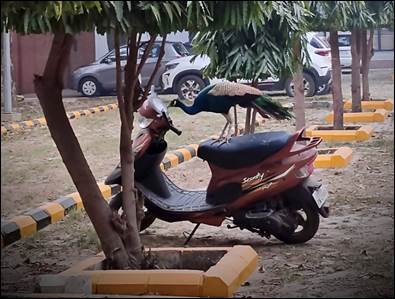
Another student graduates from feathers to fuel
Picture: Priyanka Meena, Convocation Day, June 2025
619
Letters to the Editors
Please write to us at spark@iitk.ac.in. We love to hear back from you and will try to publish as many letters as possible.
Thank you for the Feedback
Thank you very much for sending me a copy of the latest Spark. For old timers like me, it is very enjoyable and nostalgic.
I want to congratulate the editors for an outstanding job of digging into the past, including photos and enriching it by outstanding writing
Now coming to the latest issue, while there are many memorable items, I would pick on Student Counselling. It was a totally new idea, at least as far as Indian academia is concerned. It has been tuned and perfected to meet our student needs. There were faculty in Psychology and other departments who took deep interest to address the specific problems and needs of the IITK students. Many others, such as faculty wives, participated and took deep interest. Sometimes these counsellors came up with very original ideas. For e.g., when the student appeared to be not forthcoming and uneasy to communicate in the Counselling Office, they invited the student to their homes where they felt at home and opened up with the issues faced by them. That is just one example for a multi-pronged effort.
As one of the early birds on the campus, I must record that I was thrilled by the writeup and photos of Shishupal, who was supposed to be a school bus driver, which he did very lovingly for his young passengers, but excelled in numerous student activities. His set of skills, ability to develop new pathways when none were available, are unbelievable. I enjoyed reading about him; he drove my three children to the city schools when there were no schools on the campus.
Thank you and keep up the good work,
EC Subbarao
Professor MME, 1963-84, Institute Fellow, 2005
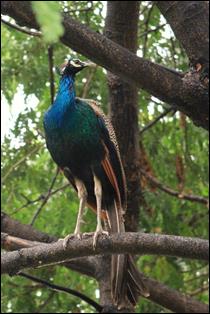
Thank you, Prof. Subbarao, for your kind words. They mean a lot to us.
As you might have realized from some of the references in our essays, we frequently reach out to An Eye for Excellence to confirm our information. We will continue to search for IITK anecdotes in our forthcoming issues, we are so glad you are enjoying them!
Spotted near Hall I, Mohd. Saad (BS-MS, Physics, 2019-24)
620
I thoroughly enjoyed
reading the article “The Counselling Service” in the August 2025 issue of The
Spark.
Joining IITK in November 1979, I got a taste of the counselling service when one of my students needed counselling urgently. He would open up, and share his agony, but I had no solution to offer! That is the time I ran to Dr JD Borwankar, such a sweet person, who directed me to Dharma Ji (as students would fondly call Mrs. Dharma Rajaraman, the then Head of Counselling). She would meet the student, understand the issues and even find some solution almost instantaneously.
Many of us (faculty members) could provide a crying shoulder to the students; HSS faculty members like Dr Lilavati Krishnan (PhD in Psychology from McMasters, if my memory is correct) could provide the academic analysis and solution to the students’ problems; it was Dharma Ji alone who could provide a holistic solution to the issues. That is the reason the students trusted her more than professional counsellors.
I enjoyed the two years that I got to interact with Dharma Ji before she moved to Bangalore; we continue to stay in touch for decades and my admiration for her has only increased.
For IITK students of 1978-82 vintage Counselling Service was synonymous with Dharma Ji.
Sowmya Narayanan Sadagopan
Professor, IME, 1979-1995
Founding Director, IIIT Bangalore
 IIT
Kanpur Counselling Service had been a very strong aspect of the student support
system - to help them settle down while many of them came out of their homes
the first time; to provide them support to handle anxieties related to future
prospects and to provide support when someone got into a problem. A unique
concept of its own time, the people who established this were real visionaries.
Even today such support provided by the Counselling Service is remembered well
by us alumni. Not only it provided the student support, but the students also
felt it very prestigious to administer the counselling services.
IIT
Kanpur Counselling Service had been a very strong aspect of the student support
system - to help them settle down while many of them came out of their homes
the first time; to provide them support to handle anxieties related to future
prospects and to provide support when someone got into a problem. A unique
concept of its own time, the people who established this were real visionaries.
Even today such support provided by the Counselling Service is remembered well
by us alumni. Not only it provided the student support, but the students also
felt it very prestigious to administer the counselling services.
Prof Borwankar, Mrs Dharma Rajaraman, Prof MR Madhav and several others from the campus community were those earlier leaders whose vision shaped it to the current effective form. Today counselling services have become essential to the institute and has been doing its function rather too well and with passion of people who are involved in this selflessly.
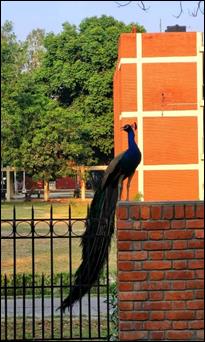
Near Hall IV, Yashvardhan Rathore, May 2024
Rajat Moona
BT, EE, 1981-85; Prof. CSE, 1991-present; Institute Fellow, 2024
Director, IIT Bhilai (2017-22); Director IIT Gandhinagar (2022-present)
621
Thank you very much for the August 2025 issue of Spark. It was very well done, and it brought back really good memories. I enjoyed the article about Shishupal. I remember him well.
I enjoyed reading about the beginning of counselling service and the people involved. Loved seeing the photos of early years of the counselling service. Especially the photos of Mrs. Rajaraman, Dr. Madhav, Dr. Borwankar, Dr. Yudhbir. I joined IITK in 1980. Dr. Madhav was the head for counselling. Our student counsellors were Neera Tandon (now Singh), and Rema Padman. Their insights and guidance helped us through the first year and the next four years.
Regards,
Shashi Moorty Kuppa
BT, CE, 1980-85
I thoroughly enjoyed the article on the Counselling Service (CS) in the Spark Issue # 13. Reading it brought back many positive memories of my interaction and engagement with the CS and the significant impact it had on me.
In my first year, Prof. Vijay Gupta was assigned as my faculty counsellor. He helped me in navigating the academic and social life of IITK in the first year. My relationship with Prof. Gupta continued well beyond the first year. He and his wife essentially became my host family for all the five years I was at IITK. I have great memories of celebrating many festivals, especially Holi, with them. During these later years, Prof. Gupta became my mentor. Interacting with him and seeing how he cared about teaching and students, and the significant positive impact that he had on me, and other students, I decided to pursue an academic career. Once I conveyed this decision to him, he guided me through the needed steps to be able to do this. I have continued this path in my career and thoroughly enjoyed it. To this day, I think of Prof. Vijay Gupta as the complete educator and my role model. And it was all made possible by the CS.
In my fourth year, I became a student guide and in my fifth year the student coordinator for the CS (did this together with my good friend, to this day, Pradeep Jain). In these two years, I got to see the full spectrum of the impact of the CS. It was a safe place for students to share any concerns that they had and get the best possible support without being judged. The faculty counsellors and the student guides were committed to the students and genuinely interested in ensuring their well-being and success. In my fifth year, I got a chance to interact with and work with Prof. Borwankar (Head of CS) and Mrs. Dharma Rajaraman who served as the resident counsellor. Prof. Borwankar and Mrs. Rajaraman made the CS a very important part of student life at IITK. They were dedicated, genuinely interested in the students and student guides, and always available. They were also extremely resourceful to address the diversity of situations that the students were dealing with.
Based on the many discussions that I have had with my batchmates and other students who were in IITK during late 70s, my experience with CS as a student, was not unique or unusual. Although each student had different set of needs or issues, the common theme is that there were faculty members, Mrs. Rajaraman and student counsellors who were there to help, guide and support them.
Rajendra Bordia
BT, ME, 1974-79
Distinguished Services Awardee, 2020
622
It is wonderful to see the depth and breadth of the magazine. Proud to have been its Photographer for a year or two.
The coverage of Shishupal is heartwarming. There were few aspects of Campus life he was not involved with. Almost like our then Deputy Director, Dr M S Muthanna.
I read about Professor RKG with heartfelt grief. I took two of his courses. If I recall correctly, one was “19th & 20th Century American Literature”, and the other “Twentieth Century English Novel”. I enjoyed those courses more than anything I studied at IITK. They opened a huge world of enjoyment for me. Since the number of students taking these electives was not more than 15 or 20, we used to have the most incisive and interesting classroom discussions with RKG and each other.
During that time, I had struggled with a number of Math classes, but in RKG’s courses I excelled effortlessly. I seriously thought of dropping Engineering and changing to English Literature.
So, I went up to RKG and asked his advice. I still remember his words— “There is no money in English!”.
I persevered with Engineering and came through.
That and English helped me build a career and a life I am proud of.
I remember Prof R K Gupta with great fondness and gratitude.
Regards
Sumant Sareen
BT, CE, 1970
Thank you for the latest issue of the Spark and taking this initiative on the Counselling Service.
I was passionate about the Counselling Service and the role it played in students' lives at that time (1980-85). A lot may have changed now. We would be happy to know the current state-of-play on campus.
I became a Student Guide from 2nd year onwards. It was a position of responsibility having a batch of 6-8 freshers (bachhas) under one's care. I’m adding a couple of my insights to what you have already published:
The choice of a Faculty Guide also mattered. The choice was typically done on the basis of which Prof called people home for meals and/or which one had nice looking daughters at home but never called people home otherwise. I chose the first option. I chose the Late Dr S Gupta, who was very sporting and approachable. His wife used to organise a meal at home during the semester where the entire team (my bachhas and I) would join in preparing an evening meal at their house. She had a centrifuge which required some amount of brawn along with brain to get the right consistency of ice-cream made. Some would help in the kitchen, some would lay the table, and some would start off a discussion on any topic. No mobile phone distractions. No booze to be served. Nice food prepared and served with love. Lots of laughter. Sharing each other’s past incidents. We didn't even have a camera to capture the moment. But today I am remembering those evenings vividly! They are there in my heart and maybe there in some more hearts too!!
We all felt so fulfilled! A home-away-from-home in IITK!!
623
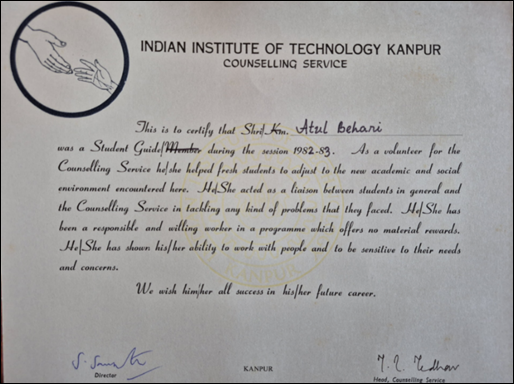
I remember meeting worried parents who would come to the campus and meet me with their ward whose marks would be 15/50. Their ward had never failed or got such low scores. I would explain to them that IITK had a relative grading system. So, while their ward had scored only 30% (on an absolute scale) it was more than the average of the class which was 20%. That would have fetched a 'B' grade and if the 'bachha' did exceedingly well in the finals he may actually get an 'A' grade. It required quite a lot of counselling of the parents too!
 We had to provide service
to the student and the parents in the first year. Later, the same student would
become a guide for the next year's batch. Passing the baton to the next batch
would itself provide a sense of achievement! And so, the story continued from
one batch to another...
We had to provide service
to the student and the parents in the first year. Later, the same student would
become a guide for the next year's batch. Passing the baton to the next batch
would itself provide a sense of achievement! And so, the story continued from
one batch to another...
There are many more stories. Ragging time, Depression, Conflicts, Subject selection, Prof selection etc.
Warm regards,
Atul Behari Bhatnagar
BT, ME, 1980-85
Inside the Academic Area, 2018
Gyan Mehta (MSc, Physics, 1968)
624
Faculty E-mail Distribution
Many thanks for another wonderful issue of Spark...
The Spark team put together such interesting stories that I am not only reading them but re-reading them too! 😊
We have already shared the link with all our IIT Kanpur friends and Prabhaji (Prof. Prabha Sharma). Will think again and include those that may have been missed. We also shared the link on the IIT Kanpur AA Delhi Chapter group.
Best wishes to you all from both Shahid and me.
Amrita (Trips) Tripathi Sheikh
MSc-PhD, Chemistry, 1976-84
Thank you, Amrita! It is wonderful that readers are sharing the Spark with our faculty. We do not have a database for our former faculty members, though we have started the process for building one. If you could copy the Spark on these emails, we will add them to our distribution list.
I was saddened to hear about Dr. Yudhbir and Dr. Gupta's passing away. They both taught me, and I learnt a lot from them. Dr. Yudhbir was very well known, and very highly respected in his field. When I was in Mumbai, I once walked into AFCONS office with Anshumali. We both informed the receptionist that we were looking for a job. We met the CEO and when we mentioned Dr. Yudhbir had taught us he offered us a job on the spot. This company was one of the leading Geotech construction companies in India. May God grant both of them eternal peace.
Sandeep Ghosh
BT, CE, 1973-78
Accessing our Archives
It is indeed a pleasant surprise to run through this issue of Spark. Lots of memories and inspiring stories, all together.
I wonder if I could somehow get to receive or download the earlier issues.
Would love to go through these, page to page!
Thanks, and regards,
Ashok Kumar
BT, ME, 1971-76
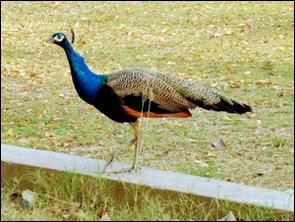
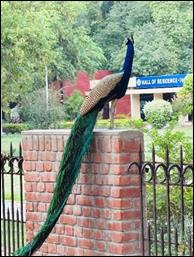
Searching for my peahen, Hall IV, Aman Kumar Singh, 2025
625
I always enjoy reading Spark - all the way from my student days! Thanks for sending this to us. I also love sharing this with my wife and daughter (we lived on the campus as I worked in IITK from1982 to 2003).
One suggestion - can you create a site where all the Spark issues are available to us? (Maybe you have one such already, but I am not aware of it!)
Regards,
Sanjay Bose
BT, EE, 1971-76
Prof. (Retd.) Dept. of EE, IIT Kanpur & Founding Faculty Plaksha University
Dear Ashok and Sanjay,
Thank you for the feedback. All issues of the Spark can be accessed at the DORA website at: https://iitk.ac.in/dora/spark/
We look forward to hearing from you with more of your stories.
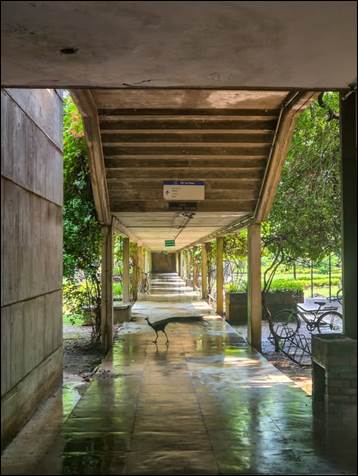
New faculty spotted near the Faculty Building. Picture: Shakti Chaturvedi, July 2025
626
IITK Celebrates Foundation Day
November 2, 2025
On our 66th Foundation Day, we came together, the past, present and future, to honour the values that brought us here and to celebrate the journey we have all walked.
This year’s ceremony recognised 21 Awardees, including the Distinguished Alumni Awards, Distinguished Services Awards, Young Alumni Awards, and the Institute Fellow. As each awardee walked on stage with gratitude and countless memories, their families watched with quiet pride.
The Director, Prof. Manindra Agrawal, shared how our collective momentum is growing. A Director’s Advisory Council with leading alumni is now helping shape the institute’s long-term roadmap. While we are progressing on our way to strengthen infrastructure and launch impactful programs, the alumni engagement has also doubled across reunions, events and collaborative initiatives.
We were honoured to have Mr. Adil Zainulbhai, Chairman of the Capacity Building Commission, as our Chief Guest. His message resonated with all of us as he said, “Our journey ahead is bold - expanding infrastructure, catalysing impactful programmes and transforming innovation into solutions, powered by alumni whose engagement today is stronger than ever.”
-- Amey Karkare, DORA, IITK
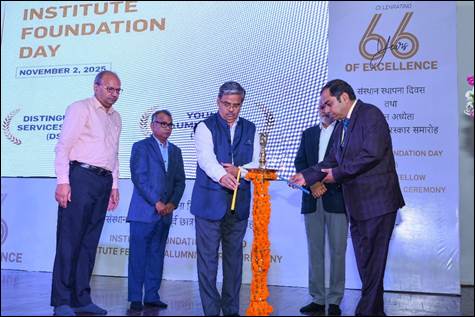
The Deputy Director, Prof. Braj Bhushan and DORA Amey Karkare lighting the lamp
627
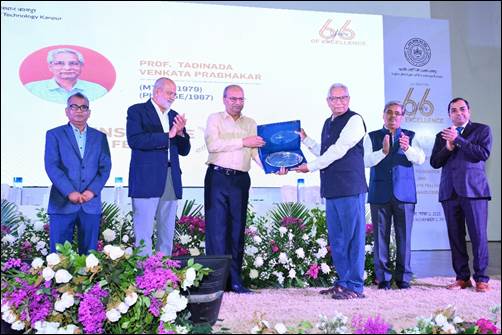
Prof. TV Prabhakar was recognized as an Institute Fellow
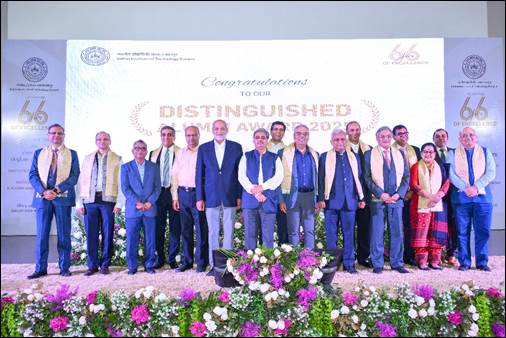
The Distinguished Alumni (L to R): Sanjay Malhotra, Amit Agrawal, DOFA Jitendra Bera, Deepak Narula, Director Manindra Agrawal, Chief Guest Adil Zainulbhai, Deputy Director Braj Bhushan, Ambuj Kumar, Rishi Kapoor, Awanish Kumar Awasthi, Manish Chandra, Gyanesh Kumar, Naresh Chand Gupta, Rema Padman, DORA Amey Karkare, Rishikesh T Krishnan
628
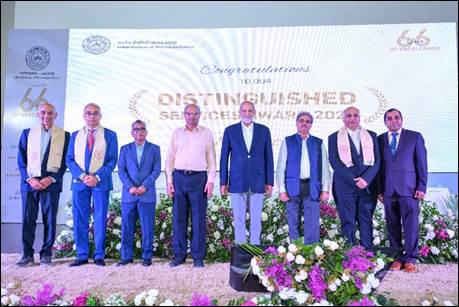
The Distinguished Service Awardees (L to R): Shirish Joshi, Aseem Shukla, DOFA Jitendra Bera, Director Manindra Agrawal, Chief Guest Adil Zainulbhai, Deputy Director Braj Bhushan, Nishith Mohan, DORA Amey Karkare
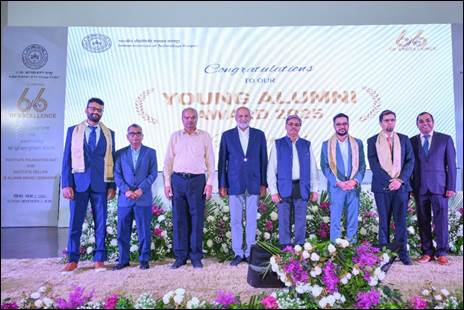
The Young Alumni Awardees (L to R): Eshan Chattopadhyay, DOFA Jitendra Bera, Director Manindra Agrawal, Chief Guest Adil Zainulbhai, Deputy Director Braj Bhushan, Bhavesh Mittal, Abhinav Jain, DORA Amey Karkare
Pictures: Information Cell, IITK
629
Remembering Prof. V. Rajaraman (1933-2025)
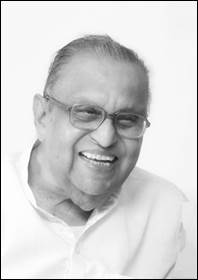
Members of the IITK community, especially Prof. Rajaraman’s former students and colleagues, were extremely saddened to learn of his demise on 8 November 2025, in Bangalore. This article is just a brief note remembering him; a special issue of the Spark is planned with several articles that celebrate his life and accomplishments. Our heartfelt condolences go to Mrs. Dharma Rajaraman; it was our professors and their families who played the most important role in making us think of IITK as a home away from home, and played a crucial role in our own career choices, serving as models who taught us how to study, think, and interact with students and peers.
Prof. Rajaraman was born in Erode (Madras Presidency) on 8 September 1933; his first name was Vaidyeswaran (it was his father’s given name, as is the custom in Southern India). He received the Madras Education Association’s Higher Secondary Certificate in 1949 as part of the first batch, at the top of his class, and subsequently attended St. Stephen’s College in Delhi where he completed his BSc in Physics. He then studied and worked at the Indian Institute of Science, Bangalore, earning a Diploma in Electrical Communication Engineering, and building analog computing components.
A Government of India scholarship enabled him to attend the Massachusetts Institute of Technology, where he received an MSc in Electrical Engineering in 1959. He completed his PhD in 1961, working on adaptive control systems, at the University of Wisconsin at Madison, where he briefly taught as an Assistant Professor of Statistics. In 1962, he returned to India and began teaching at IIT Kanpur in the Electrical Engineering Department. His attention shifted towards Computer Science and Engineering after his interactions with Prof. Harry Huskey and his 1965-66 visit to the University of California at Berkeley. In 1982, he moved from IITK to IISc Bangalore; from 1994 to 2001, he was the IBM Professor at the Jawaharlal Nehru Centre for Advanced Research.
Prof. Rajaraman was a thoughtful visionary, and institution builder. He receives the most credit for building the Computer Science and Engineering department and its programs, securing resources as well as training and recruiting its faculty members. Prof. Rajaraman’s work that led to IITK attracting the first batch of students admitted to a CSE program in India. Other schools soon followed.
630
For us, the first CSE BTech class of 1978-83, we were part of a new family. Prof. V. Rajaraman and Mrs. Dharma Rajaraman were incredibly welcoming, and helpful in ensuring that we were successful in our academic endeavours and also became part of a community, the Association for Computing Activities through which we also came to know other faculty members and students who shared a love of computing. These included BTech, MTech, and PhD students, and some of them taught at IITK later. My own BTech advisor, Prof. Somenath Biswas, had been a PhD student of Prof. Rajaraman; his own students are still at IITK, and their students are leading illustrious careers internationally!
Prof. Rajaraman was a strong researcher and prolific author, with many books to his credit, bringing computer programming to the Indian public at an affordable price. He received numerous awards, including the prestigious Bhatnagar Award and the Padma Bhushan. We will cover these in more detail in the forthcoming issue of Spark.
In closing, here is a tiny instance of Prof. Rajaraman’s wit, from 1980 when he taught us “Computer Organization” (where we programmed in SMAC, a simple machine language he had formulated). Most textbooks described a memory “core” as being shaped like a doughnut, but we in India did not know what that meant; Prof. Rajaraman told us it is like a “vaDai”!
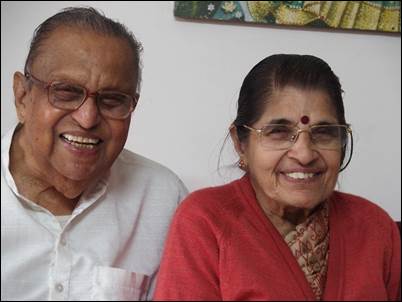
Prof and Mrs Rajaraman at their home in Bengaluru, Dec 2023
This article was written by Chilukuri K. Mohan, a member of the first batch of BTech CSE students at IITK (1978-83), and currently a professor at Syracuse University. The pictures have been shared by Shirish Joshi and were clicked on a recent visit to Bengaluru, Dec 2023.
The Spark reaches out to its readers, the alumni of IITK, and the colleagues of Prof. Rajaraman for their thoughts and feedback. We are in the process of gathering materials for a special issue that will celebrate Prof. Rajaraman’s life and contributions. Please write to us at: spark@iitk.ac.in
631
Prof. Pasala Dayaratnam (1932–2025)
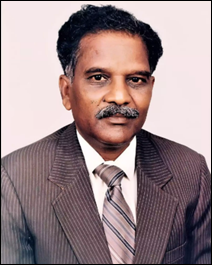
Prof. Pasala Dayaratnam, one of India’s most respected structural engineers and a foundational figure in the academic life of IIT Kanpur, passed away in Hyderabad on 11 November 2025. He was 92.
Born on November 23, 1932, in Sattenapalle Mandal Municipality in the Guntur District of undivided Andhra Pradesh, he was the fourth child of Pasala Solomon and Kamakshi. Raised in a modest two-room home built by his grandfather, he distinguished himself early as the top student in his high school class. After completing intermediate studies at Andhra Christian College (1950–1952), he earned his bachelor’s degree in civil engineering from the Government College of Technology, Coimbatore (1952–1955), then affiliated with the University of Madras.
Prof.
and Mrs. Dayaratnam at U Colorado, Boulder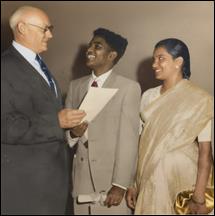
He began his career as a Junior Engineer in the Public Works
Department of Andhra Pradesh (1955–1957) before returning to academia as a
Lecturer in civil engineering at Andhra University (1957–1959). In June 1959 he
married Vijayalakshmi, the lifelong companion who would remain at his side for
66 years. Three days later, he interviewed with the Technical Cooperative
Mission – a U.S.-India program supporting advanced training – and was awarded a
fellowship for graduate study in the United States.
At the
University of Colorado, Boulder, he earned his M.S. in 1960 with straight A
grades. His fellowship was extended for doctoral work under the renowned Prof.
Kurt Gerstle, and he completed his Ph.D. in December 1961. During the following
months, he worked with his adviser validating computer-based numerical methods
in FORTRAN 2, marking the beginning of his lifelong engagement with computational
structural engineering.
632
Returning to India, he served as Reader at Andhra University (1962–1965) before joining IIT Kanpur as Associate Professor on 17 May 1965. At IIT Kanpur, he established the Structural Engineering Laboratory – an enduring contribution that continues to support research and instruction nearly six decades later. Over his long career at IITK, he developed pioneering software packages for structural design, guided generations of engineers, and consulted widely for national agencies including CSIR, DST, BARC, NPCIL, Indian Railways, BHEL, HAL, ISRO, and numerous public and private sector organizations.
His leadership roles at IIT Kanpur included Head of the Department of Civil Engineering (1976–1979), Dean of Research and Development (1981–1984), and Dean of Resource, Planning and Generation (1990–1992). After retiring from IIT Kanpur in 1994, he served as Vice-Chancellor of Jawaharlal Nehru Technological University (JNTU), Hyderabad (1995–1998), where he further strengthened engineering education and research initiatives across the state.
Prof. Dayaratnam received numerous honours, including the Sir Arthur Cotton Gold Medal (1975–76) and the E.P. Nicholaides Prize (1978–79) from the Institution of Engineers India (IEI), Fellow of IEI, the Outstanding Concrete Technologist Award (1997), the Distinguished Engineering Alumnus Award from the University of Colorado Boulder (1997), the Prestressed Concrete Design National Award (1999), the Lifetime Achievement Award from the Indian Concrete Institute (2003), and the Rajiv Prathibha Award for Science & Technology from the Government of Andhra Pradesh (2008), and Fellow of the Indian National Academy of Engineering, and an honorary doctorate from JNTU, among others.

His textbooks on steel structures, reinforced and prestressed concrete, brick and reinforced brick design, and limit state methods have shaped the education of tens of thousands of engineers across India.
633
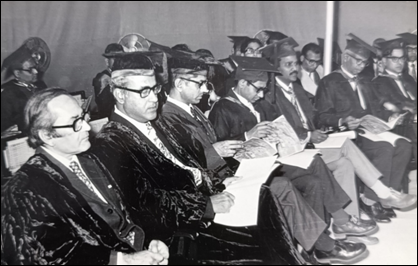
At a Convocation Ceremony, IIT Kanpur, early 1970s. Prof. Dayaratnam is seated third from right in the front row.
He is survived by his wife, Vijayalakshmi; their three daughters – Nirmala, Nischala, and Sarah; three sons-in-law; five grandchildren; and six great-grandchildren. His family, students, and colleagues remember him as a man of extraordinary intellect, exemplary integrity, and rare humility. His legacy endures in his writings, in the institutions he strengthened, and in the generations of engineers who continue to build on the foundations he laid.
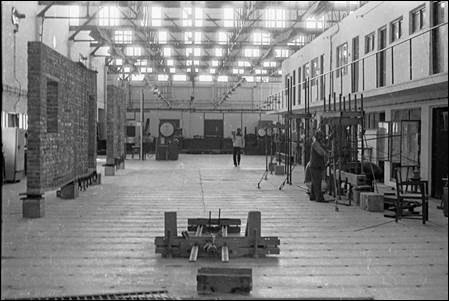
A continuing legacy: The Structures Lab at IITK. Picture: Shirish Joshi, c. 1977
Contributed by Rajendra Bhattarai, BT, CE, 1971-76, Distinguished Alumnus, 2022.
Our thanks to Prof. Dayaratnam’s daughters, Nischala Pasala and Sarah Pasala, for the pictures and their help with this tribute.
634
A Tribute to Prof. Dayaratnam
Raj Bhattarai (BT, CE, 1971-76)
I was fortunate to enter Prof. P. Dayaratnam’s orbit on the very first day of our 4th year at IIT Kanpur, in July 1974. He was teaching us Structural Analysis I. I still remember watching him walk into the classroom carrying a simple sheaf of papers, which he handed out to the 25-odd students. It was the course outline. After that day, I never saw him bring another note or textbook to class. He knew his subject so completely that he could step up to the blackboard and begin teaching – fluidly, confidently, and with remarkable clarity – drawing from a mind that carried everything he needed. The only time he ever held papers again was when he handed out quizzes or exams. He had the uncanny gift of making complex concepts feel simple, almost effortless. We listened in awe, impressed by his mastery and moved by his humility.
We all knew he was the most brilliant – and certainly the seniormost – among our structures professors, yet he never behaved like a prima donna. After joining IIT Kanpur in 1965, he led the creation of the structural engineering laboratory, which continues to serve students and researchers even today, nearly 60 years later. He was a pioneer in introducing computers into structural design in India and played a pivotal role in exposing both students and practicing engineers to advanced computational methods. He worked tirelessly on his teaching, research, consulting, and developing software packages for structural design. His textbooks – Design of Steel Structures, Design of Reinforced Concrete Structures, Prestressed Concrete Structures, Brick and Reinforced Brick Structures, Limit State Design of Reinforced Concrete Structures, and others – became foundational references, blending rigorous design principles with early computer-aided methods. Generations of engineers owe their grounding to his work.
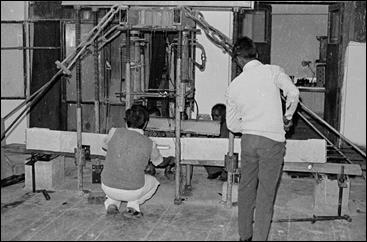
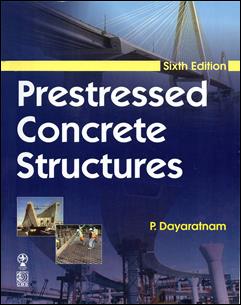
(L) Students testing beams in the Structures Lab.
Picture: Shirish Joshi, c. 1977.
(R) One of the widely recognized textbooks
635
Despite his towering intellect, he always remained soft-spoken, gentle, and unfailingly approachable. Though he taught many advanced postgraduate courses, he insisted on teaching the foundational Structural Analysis I and Structural Analysis II to 4th year students, and he taught them superbly. He later taught us a 5th-year elective course, Theory and Design of Prestressed Concrete Structures, with the same passion, depth, and elegance we had come to expect.
What touched us most, however, was his humanity. He kept an open-door policy long before the phrase became fashionable. We could simply walk into his office, and he would look up with a warm smile and ask, “How can I help you?” He always addressed us by our last names, and his soft, melodious voice still rings in my ears: “Mr. Durve” (which he pronounced “Durvi”), “Mr. Jain,” “Mr. Ratnani.” In those small moments, he made us feel seen, respected, and encouraged.
For many of us, Prof. Dayaratnam was more than a teacher. He was a mentor, a role model, and a gentle guiding force during our formative years. His legacy lives on not only in the field of structural engineering in India but also in the countless students whose lives he touched and shaped with his brilliance, humility, and kindness.
Prof. Dayaratnam’s career spanned a remarkably transformative era in India’s engineering education and infrastructure development. From the early post-independence decades when the country was still laying its foundational systems to the period of accelerated urbanisation, high-rise construction, emerging materials, and increasingly globalised engineering practice, he remained consistently relevant, engaged, and forward-looking.
His generation of engineers and academics played a seminal role in turning national aspirations into built reality: dams and power stations, industrial plants, and concrete bridges. In many ways, Prof. Dayaratnam belonged to that pioneering cohort of institution-builders who not only shaped the physical landscape of modern India but also established the educational frameworks and professional standards that today’s engineers often take for granted.
As we remember him through the eyes of those who were shaped by his gentleness, brilliance, and unwavering devotion to teaching, it is equally important to view the arc of Prof. Dayaratnam’s life in its full sweep. His journey – from a gifted student in a small town in Andhra Pradesh to one of India’s most influential structural engineers – reveals the depth of character, discipline, and purpose that infused everything he did.
Written by Raj Bhattarai (BT, CE, 1971-76), with contributions from Nischala Pasala
Raj Bhattarai is President, Clean Water Strategies, Austin, TX, and a Guest Professor at the University of Texas, Austin. IIT Kanpur recognized him as a Distinguished Alumnus in 2022.
636
Mestaru – A Personal Ode to Prof. Dayaratnam
M R Madhav (Professor, CE, 1967-2002)
A teacher is often called ‘Master’ colloquially. Master with affection becomes ‘Mestaru’ in Telugu. Prof Dayaratnam had been a Mestaru for me personally since 1957. He taught us two courses in our undergraduate program at Andhra University. He was known even then as a great teacher and a nice person. One of my classmates in fact expounded his name as Daya + Ratnam, ‘Kind and a Jewel’ which we felt he lived up to show the world. Thus, I was fortunate to have had him as a teacher, colleague and mentor at IIT, Kanpur and a lifelong “Guardian Angel”. He was a role model for us to be good in teaching, research, consultancy and academic administration.
One aspect of Prof. Dayaratnam, like that of Prof Rajaraman, was that he was exceptional at writing textbooks that became classics. I could see his penchant to write with deep commitment through a unique experience. One late evening, both of us were waiting in the upper-class waiting room at Delhi Railway station to catch the famous late-night Delhi - Howrah express to reach Kanpur early next morning. It was a long wait but to my utter surprise, he pulled out some papers from his briefcase and started writing a draft for his next book. Such was his dedication and felicity for time management.
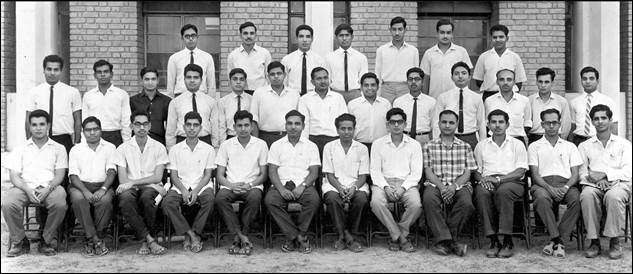
The IITK Civil Engineering graduating class of 1968. Faculty members seated in the front row are:
CP Sabherwal, S Surya Rao, MR Madhav, ASR Sai, NVSK Rao, M Anandakrishnan (HOD, later Chairman BOG), YC Das, RH Siddiqi, K Subramanya, RS Singh, M Ramaseshan and KVGK Gokhale. Middle Row: GD Agarwal (centre) and V. Lakshminarayana (3rd from right). Top Row: P. Dayaratnam (far right)
Picture: The Frontier Batch (1963-68) Collection
While officially he was a colleague, for many of us he and his affectionate wife, Vijayalakshmi (Vijji for us) and the three endearing daughters (Nirmala, Nischala and Sarah, and later their spouses) were family. Prof. and Mrs Dayaratnam raised a loving family. The get-togethers at their home on Christmas evening were events that we cherish. Vijji made it a point to make my favourite ‘Rum Cake’ every time. Prof Dayaratnam’s 60th wedding anniversary and 90th birthday celebrations were events etched in our memory in watching the whole Pasala brood at one place.
637
Fortunately for those of us who settled in Hyderabad after superannuating from IITK, the association continued with frequent luncheons and outings. The picture appended below is from one such trip to Anantagiri, a hill resort close by.
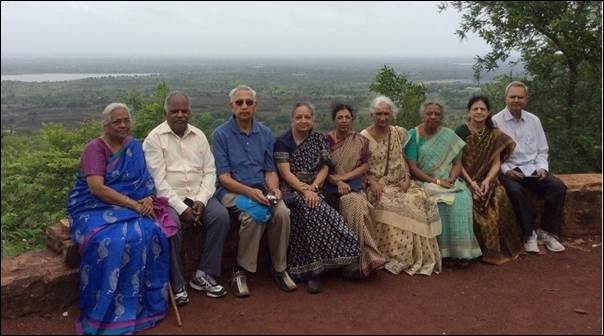
Mrs and Prof. Dayaratnam, Madhav & Sarojani, Mrs Prabhavati Ram Mohan Rao, Mrs Sita Gokhale, Mrs Jayanti Sai Adidam, Mrs Sundari and C V R Murty at Anantagiri, c.2016.
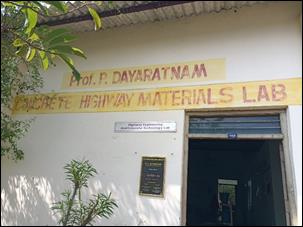
The Prof. Dayaratnam Concrete Highway Materials Lab at ACE Engineering College, Hyderabad
Prof. Dayaratnam was to me more like an elder brother or a father
figure. Every time I received an award or a special recognition, I would go to
him to share the pleasant news and receive his special pat on the back for the
kind of appreciation I longed for. Sadly, he wasn’t there to pat me when I
received a most prestigious international award, the Outstanding Contributions
award from IACMAG last week but his memories will be with us to cherish for a
long long time!
Contributed by Professor M. R, Madhav of the Department of Civil
Engineering, 1967-2002. IITK recognized Prof. Madhav as an Institute Fellow in
2019.
638
Back to the Campus after 38 Years
Chitra Venkateswaran
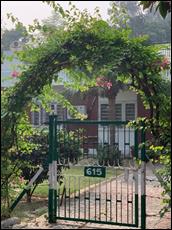 So
very exciting! I was returning to my beloved home (615 IITK Campus), schools
(Campus and Central) and the lovely expansive campus after a long gap of 38
years. My sisters and I grew up there from 1963 to 1986 and have the fondest
memories of having a spectacular childhood there. Thinking back about it I
often wonder what made this place so special?
So
very exciting! I was returning to my beloved home (615 IITK Campus), schools
(Campus and Central) and the lovely expansive campus after a long gap of 38
years. My sisters and I grew up there from 1963 to 1986 and have the fondest
memories of having a spectacular childhood there. Thinking back about it I
often wonder what made this place so special?
It was a small and very close community, and everybody knew everyone else. Our parents were focused on building the institution into a world class educational institute while life for us children was all about riding bicycles, climbing trees, playing out on the streets, and roaming the campus until our parents yelled from the house asking us to come back home (In those days there were no walls or boundaries in the Campus). We had the best teachers you could imagine in the schools and the years flew by. Other than school there were music classes, dance classes, debate and declamation competitions (for which we would sometimes train in the language lab), art competitions etc. to keep us occupied. Lots and lots of books were available in the school libraries as well as in the IIT library.
Our backyards were natural ecosystems where frogs, mice, snakes, mongoose and peacocks all coexisted in perfect unison. Hundreds of birds would come to eat the fruit off the trees in our backyard. There were monkeys and other wildlife on the campus, and we were forever being warned to watch out for them. There was Chote the fruit seller who brought a pushcart of fruits to sell everyday, walking down the street, and there was a very well dressed and polite gentleman who brought Fresh Bread and eggs early each morning. The milk would be delivered in the morning and evening freshly milked from the cows in the surrounding villages. Vegetables grew abundantly in our gardens given the rich and fertile Gangetic plain soil. There were street parties celebrating all the festivals. No shortage of electricity or water, beautifully maintained yards and fences along with competitions as to who had the best kept gardens.
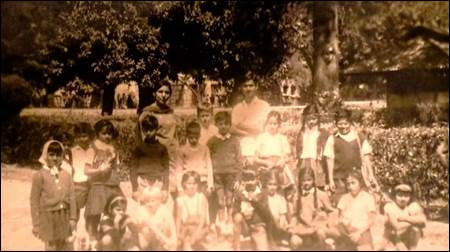
Central School kids at IITK. Class 4, 1971. Picture: Chitra Venkateswaran
639
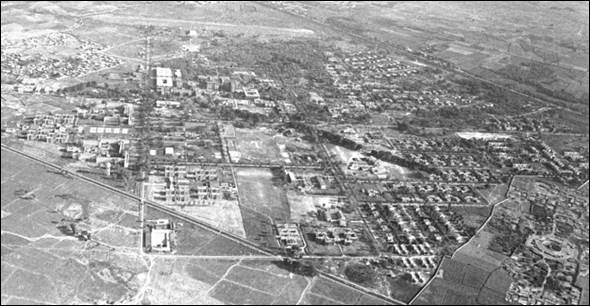
An aerial view of the IITK campus, c. 1978. The swimming pool across the canal marked the end of development, with the rest still green fields. Faculty housing is visible along the right side of this picture. Picture: Shirish Joshi
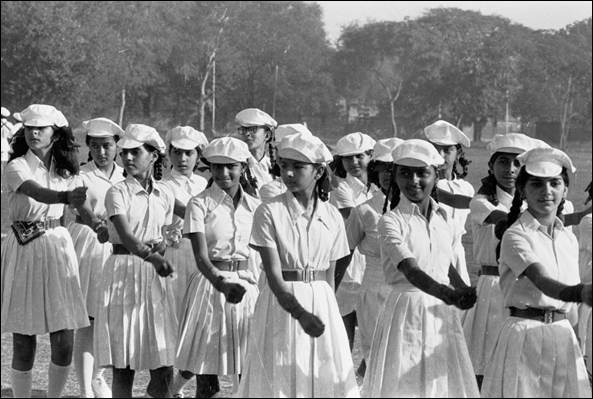
Central School girls at the Republic Day Parade, 1979. Picture: Shirish Joshi
640
We hardly ever went to the city. Everything we needed was within the Campus. It was a whole world in itself. Our friends and neighbors, being from different states and speaking different languages, helped us learn about and appreciate the beautiful diversity of our country. We had just one Provision store (Mahir Stores), one Universal bookstore, one Binny cloth store, one Cooperative society, one restaurant called Red Rose, a couple of tailors, a few cycle repair shops and one State Bank of India. Yet we were quite content with what was available on the campus. All in all, a very carefree and peaceful life.
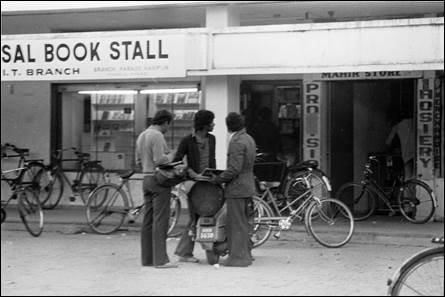
The Shopping Centre with Universal Book Stall and Mahir Store. Picture: Shirish Joshi, c. 1977-78
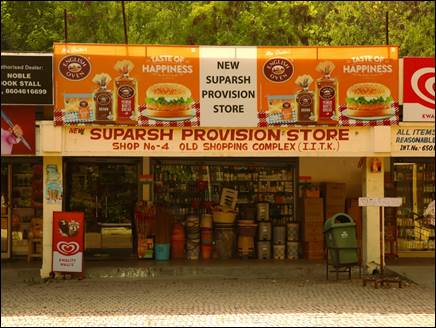
The Shop C today. Universal is now Noble; Mahir has become Suparsh. Picture Mohd. Saad, 2024
641
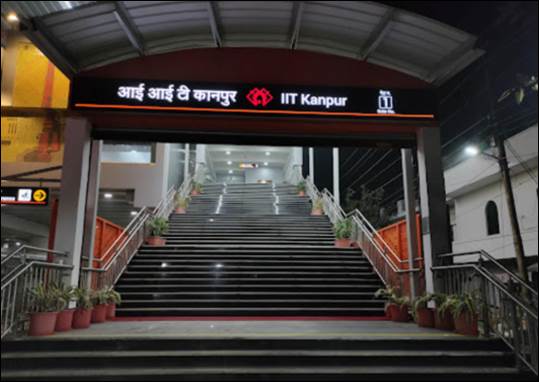
The main gate of the campus and the whole surrounding area of Kalyanpur now looks like a busy city. Modernized, with an IITK metro station, you can now reach Moti Jheel in about 15 mins. Gone are the good old Tempo travel days. No sign of the guard who used to stand next to the railroad crossing waving his red and green flags. Now you first need a permit to even enter the Campus.
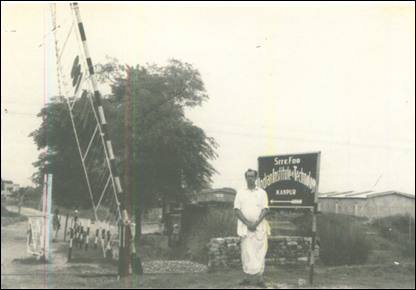
The original entrance to IITK was at Gumti 15, a bit further up the road from the Main Drive (which was Gumti 14). A dusty unpaved road from GT Road, across the railway tracks, up to Nankari, and then turning towards Hall-I, provided the only access to the site. Remnants of this road are still visible behind Lanes 31 and 32. Picture: Prof. AK Biswas (Faculty, MME, 1963-94). A friend of Prof Biswas is visible in the picture.
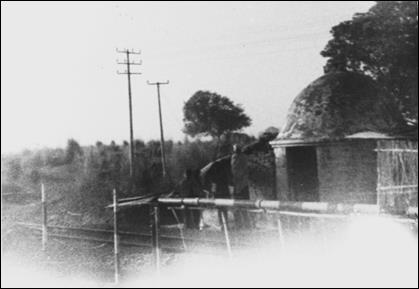
The Railroad crossing with the guard at Gumti 15. Picture: Prof Gio Wiederhold (Visiting KIAP Faculty, 1964-65)
642
The completion of the Main Drive in 1965-66 provided a proper access road to the campus, but the railway crossing remained the only indication of entry and exit. Except for the two signs. The one on the exit side (The Spark, issue 8, Dec 2023, back cover) was clear, reminding residents of the campus speed limits upon return. But the one upon entry created a few puzzled smiles: Who was getting bumped, and where were the ‘many children’? Getting birthday bumps remained a time-honored tradition on campus, which perhaps continues today (The Spark, Issue 3, April 2022, pg. 106-107).
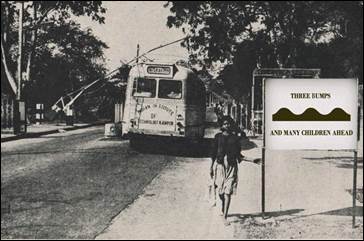
This image has been recreated by the Spark using a photograph from Growing Up, the photo yearbook of 1983. The actual sign was a little further up the road, perhaps 50-100 meters inside the campus, and was probably a little different from this illustration; we continue to search for its original photograph.
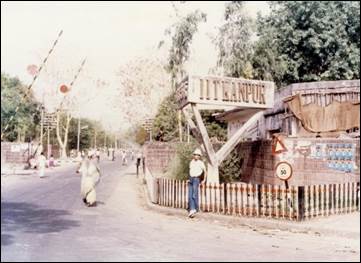
A security review following some incidents in the Summer of 1980 led to the completion of a proper gate in 1981-82. A concrete triangle with brass letters, a brick wall and a two-lane gate were constructed. Tempo service inside the campus was discontinued; it ended at this gate (with rickshaw services available inside the campus). Picture: Suresh Reginald (BT, ChE, 1980-85), visible in the picture is Pankaj Tandon
643
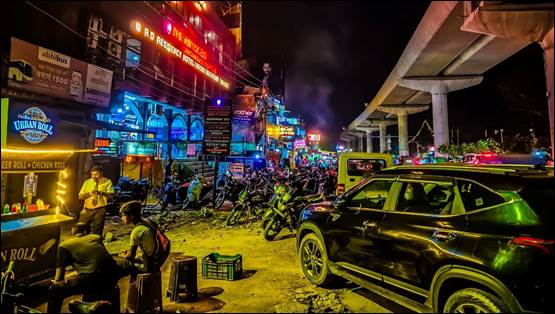
Today, the urban spread of Kanpur extends well beyond the IITK campus. A thriving commercial district, with shops, restaurants and hotels exists near the main gate. The campus is connected to the city and Kanpur Central by metro. The overhead metro line is visible in this picture. Picture: Shakti Chaturvedi
644
Walking into the Campus after so many years brought back a flood of memories. The place has completely changed. The same old roads but with gates and fences, security and sentries everywhere. Gone are all the open spaces, the small jungles where we would go to wash the existing idols in long abandoned temples, and the winding mud paths that we would use as shortcuts to reach school and our friends’ houses. Earlier there were only 5 hostels for boys, one ladies’ hostel and seven lecture halls. Now there are so many new buildings, and the once open campus has become a concrete jungle. The locations of the schools have changed, faculty are now also housed in apartments and there are so many new departments, buildings, structures, athletic fields and auditoriums. The front of the health center looked the same and brought back memories of the compounder painting our throats with a long cotton swab dipped in a purple liquid every time we caught a sore throat.
What has not changed is the warmth, love and hospitality of the IIT K faculty that I met on this trip. They welcomed us into their home with such affection and let us walk freely through the house and gardens. It made me completely forget that this was their home now and I was lost in time. It was a very nostalgic and emotional visit, but for me nothing compares to the good old Campus days.
Chitra Venkateswaran
New Jersey, USA
Chitra Venkateswaran, along with her sisters, Anu Venkateswaran and Shankari Venkateswaran, grew up on the IITK campus as the daughter of Prof. Shankara Venkateswaran (Faculty, EE, 1963-86) and Mrs. Padma Venkateswaran. She left IITK in 1985 and has resided in the US since then.
This story was originally published in the IITK Campus Magazine, EYES, in September 2025
For a photo feature themed IITK – Then (1983) and Now (2025), please refer to the Spark, Issue 13, pg. 608-614, available at: Issue 13
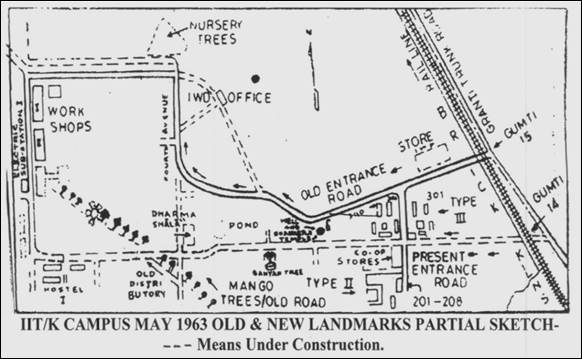
Credit: From the collection of Prof. AK Biswas (Faculty, MME, 1963-94)
645

A SPECTACLE OF SPORTSMANSHIP, SPIRIT, AND CELEBRATION
Introduction
 Udghosh, the annual flagship sports festival of the Indian Institute
of Technology Kanpur, is one of Asia’s largest inter-collegiate sports events.
Held every October, it brings together athletes, enthusiasts, and sports
aficionados for a celebration of talent, competition, and camaraderie. The 21st
edition, Udghosh 2025, took place from October 3 to 5, continuing a legacy that
began in 2002, providing a platform to showcase skills, engage with champions,
and inspire the next generation of sports leaders.
Udghosh, the annual flagship sports festival of the Indian Institute
of Technology Kanpur, is one of Asia’s largest inter-collegiate sports events.
Held every October, it brings together athletes, enthusiasts, and sports
aficionados for a celebration of talent, competition, and camaraderie. The 21st
edition, Udghosh 2025, took place from October 3 to 5, continuing a legacy that
began in 2002, providing a platform to showcase skills, engage with champions,
and inspire the next generation of sports leaders.
The name ‘Udghosh’ means “uproar” or “announcement,” reflecting the festival’s energetic spirit.
The Theme: The Patronus Pursuit
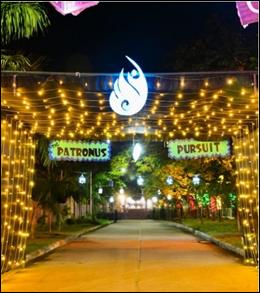
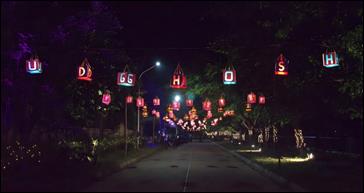 The theme for Udghosh 2025 — The Patronus Pursuit symbolized
courage, resilience, and the power within. Inspired by mythical guardians such
as phoenixes and unicorns, the theme celebrated the purity of spirit,
determination, and the magic of rising stronger with every challenge. The
campus came alive with thematic installations, art, and performances that
reflected this mystical journey of self-belief and triumph.
The theme for Udghosh 2025 — The Patronus Pursuit symbolized
courage, resilience, and the power within. Inspired by mythical guardians such
as phoenixes and unicorns, the theme celebrated the purity of spirit,
determination, and the magic of rising stronger with every challenge. The
campus came alive with thematic installations, art, and performances that
reflected this mystical journey of self-belief and triumph.
646
UNOSQ
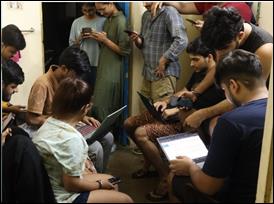
UNOSQ 2025, the Udghosh National Open School Quiz, is a premier quiz competition for students from grades 5 to 12, promoting knowledge, curiosity, and sports awareness. Structured in two phases, an online preliminary round and a challenging final at IIT Kanpur, the quiz tests logical reasoning, general knowledge, and sports trivia. This year, over 2,000 students from 200+ schools participated across four age groups: Little Champs (grades 5–6), Super Nova (7–8), Elite Explorer (9–10), and The Titans (11–12). UNOSQ 2025 celebrated intellectual growth, teamwork, and healthy competition, with winners receiving prizes, certificates, and passes to Udghosh events, making it a highlight of the festival.
UDAAN
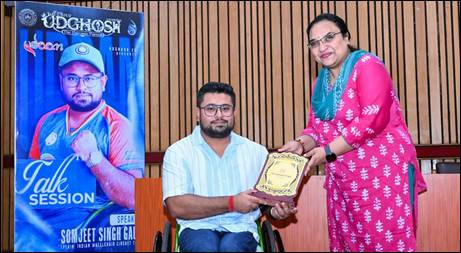
Udaan 2025 featured an inspiring session with Mr. Somjeet Singh Gaur, Captain of the Indian Wheelchair Cricket Team. He shared his journey of resilience, determination, and overcoming challenges, motivating participants to push their limits. The session highlighted the power of sports in fostering courage, teamwork, and self-belief, aligning perfectly with Udaan’s spirit of adventure and perseverance. Attendees gained insights into adaptive sports, inclusivity, and the importance of a positive mindset, making the interaction a memorable and motivating highlight of Udghosh 2025.
647
Blood Donation Camp
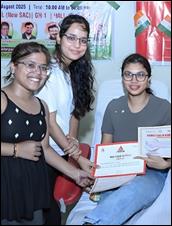
Udghosh 2025 organized a special Blood Donation Camp on Independence Day, reflecting its commitment to social responsibility and community welfare. The camp saw enthusiastic participation from students, staff, and visitors, collecting over 230 units of blood. It aimed to raise awareness about the importance of blood donation, promote altruism, and contribute to local healthcare needs. With professional medical supervision and a well- coordinated setup, the event provided a safe and impactful platform for volunteers to give back to society, making it a memorable and meaningful highlight of Udghosh 2025.
Events
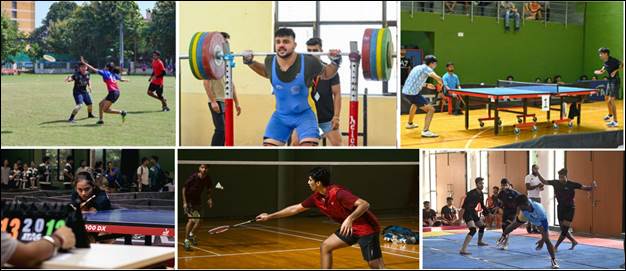
Udghosh 2025 featured an extensive lineup of sports, establishing itself as one of Asia’s premier inter-collegiate sports festivals. Events ranged from athletics, badminton, basketball, cricket, football, hockey, kabaddi, kho-kho, and volleyball to individual sports like chess, lawn tennis, squash, table tennis, taekwondo, powerlifting, and weightlifting. These competitions provided a platform for students from across India to showcase skill, strategy, teamwork, and sportsmanship. Beyond tournaments, Udghosh emphasized holistic development through pre-fest training sessions, workshops, and interactive demonstrations, fostering fitness, discipline, and leadership. The festival celebrated athletic excellence while inspiring participants to push their limits and embrace the true spirit of competition.
OP Jindal Global University, Sonipat, Haryana took the honors as the best visiting team.
648
Talk Sessions
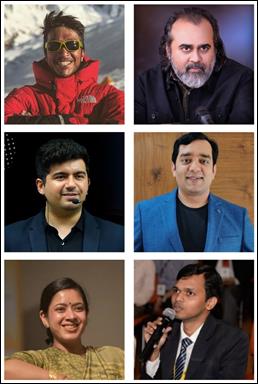 Udghosh 2025 at IIT Kanpur featured a remarkable series of talk
sessions that inspired and empowered participants across sports, culture, and
intellectual pursuits. The festival hosted Arjun Vajpai, India’s youngest
mountaineer, who shared his experiences of courage and perseverance; Acharya
Prashant, philosopher and author, who delved into self-awareness,
integrity, and personal growth; Vineet Khatri, IIT Roorkee alumnus and
founder of ATP STAR Kota, who spoke on effective learning strategies and
consistent effort; Mohit Tyagi, motivational speaker, who highlighted
resilience and goal-setting; Dr. Tanu Jain, ex-IFS officer and UPSC
mentor, who offered career guidance and insights on competitive exams; and Prasad
Sawant, who engaged participants on leadership and holistic development.
Collectively, these sessions embodied Udghosh 2025’s commitment to nurturing
courage, leadership, academic excellence, and self-belief among its
participants.
Udghosh 2025 at IIT Kanpur featured a remarkable series of talk
sessions that inspired and empowered participants across sports, culture, and
intellectual pursuits. The festival hosted Arjun Vajpai, India’s youngest
mountaineer, who shared his experiences of courage and perseverance; Acharya
Prashant, philosopher and author, who delved into self-awareness,
integrity, and personal growth; Vineet Khatri, IIT Roorkee alumnus and
founder of ATP STAR Kota, who spoke on effective learning strategies and
consistent effort; Mohit Tyagi, motivational speaker, who highlighted
resilience and goal-setting; Dr. Tanu Jain, ex-IFS officer and UPSC
mentor, who offered career guidance and insights on competitive exams; and Prasad
Sawant, who engaged participants on leadership and holistic development.
Collectively, these sessions embodied Udghosh 2025’s commitment to nurturing
courage, leadership, academic excellence, and self-belief among its
participants.
Cultural Evenings
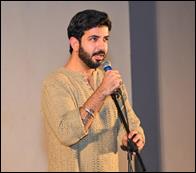 Udghosh 2025 featured an electrifying poetry and stand-up
session by Nishant Dheer, captivating the audience with his wit, humor,
and expressive storytelling. Through a blend of thought-provoking poetry and
engaging comedy, he entertained and connected with students, reflecting on
everyday life, youth experiences, and contemporary issues with a humorous
twist. His performance brought energy, laughter, and introspection to the
festival, making it one of the most memorable cultural highlights of Udghosh
2025 and leaving the audience inspired and thoroughly entertained.
Udghosh 2025 featured an electrifying poetry and stand-up
session by Nishant Dheer, captivating the audience with his wit, humor,
and expressive storytelling. Through a blend of thought-provoking poetry and
engaging comedy, he entertained and connected with students, reflecting on
everyday life, youth experiences, and contemporary issues with a humorous
twist. His performance brought energy, laughter, and introspection to the
festival, making it one of the most memorable cultural highlights of Udghosh
2025 and leaving the audience inspired and thoroughly entertained.
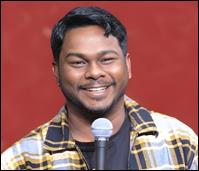
The festival also featured a lively stand-up comedy session by Haseeb Khan, captivating the audience with his signature observational humor and relatable storytelling. Known for his witty takes on middle-class life and his distinct Bhopali style, Haseeb kept the crowd engaged with laughter and fun anecdotes. His performance blended nostalgia, mischief, and contemporary humor, creating an energetic and memorable cultural experience. The session added vibrancy to Udghosh 2025, complementing other events and leaving students thoroughly entertained and inspired by his comedic talent.
649
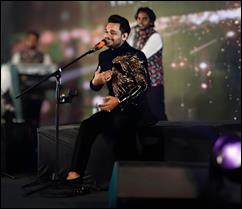
Finally, Udghosh 2025 featured a high-energy live performance by Andaz Band, enthralling the audience with their vibrant music and dynamic stage presence. Known for their eclectic mix of contemporary and classic tunes, the band delivered an unforgettable experience filled with rhythm, melody, and audience interaction. Their performance created an electrifying atmosphere, encouraging students to sing, dance, and celebrate together. As one of the festival’s major cultural highlights, Andaz Band’s show added a musical crescendo to Udghosh 2025, leaving a lasting impression on all attendees.
Text: Rahul Mahala (BT, CE, 2023-27), Head, Media and Publicity, UDGHOSH ’25
Images: Information and Media Outreach Cell, IIT Kanpur.
Flashback: Altius 1989
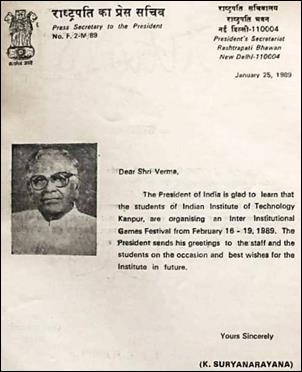
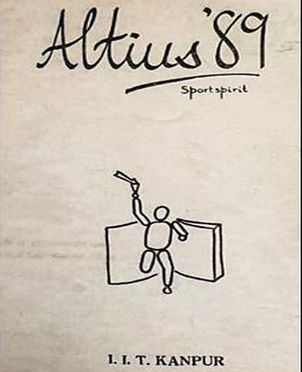
Meanwhile, as we celebrate the success of Udghosh 2025, here is a flashback to 1989.
Shared by Rajesh Khanna (BT, ChE, 1985-89)
650
The Counselling Service, IIT Kanpur:
A Journey of Hearts, Hands, and Hope
Lilavati Krishnan (Professor, HSS – Psychology, 1978-2014)
A Simple Notice That Changed Everything
My association with the Counselling Service (CS) at IIT Kanpur spans nearly twenty years—but in many ways, it feels like a lifetime’s worth of lessons, people, and moments that stay with you forever. What began as a small curiosity blossomed into one of the most meaningful chapters of my professional and personal life.
It all started in late 1978. A small, typed notice pinned near the Faculty Building elevator announced a meeting of the “Student Counselling Service.” I didn’t know it then, but that sign would open a door to a world of empathy, connection, and purpose.
A few days later, a gentle knock on my office door introduced me to the student coordinator of the CS. As we walked down the six flights of stairs, he described the Service with such sincerity that by the time we reached the second floor, I felt something inside me say: This matters.
And it did. More than I could ever have imagined.
A Room That Always Had Space—for Anyone
From my first meeting with Prof. J. D. Borwankar and Mrs. Dharma Rajaraman, I sensed that the CS was not just a “service.” It was a refuge.
The CS office was always open—not just physically, but emotionally. Students walked in with anxieties, fears, and sometimes just a need for someone to listen. The atmosphere was warm, non-judgmental, and profoundly human. You didn’t need an appointment. You didn’t need the “right” words. You just needed to show up as yourself.
And that, in itself, was healing.
651
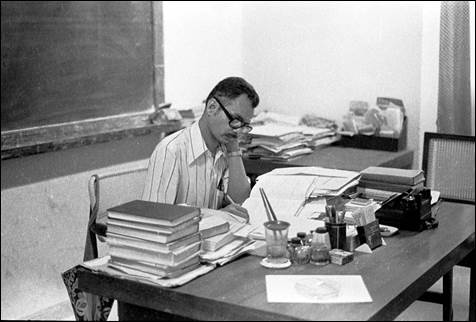
Professor JD Borwankar at his desk at IITK. He left behind a permanent impact on the functioning of the Counselling Service. Picture: Shirish Joshi, 1978
The Quiet Power of Students Helping Students
At the heart of the CS was an idea both simple and transformative: students can lift each other.
Student Guides (SGs) were not selected for technical knowledge, but for something rarer—empathy, approachability, and a genuine willingness to listen. Their “training” was not just to support freshers through ragging or orientation, but to be steady companions through the emotional rollercoaster of IIT life.
Many freshers arrived feeling overwhelmed—new hostels, new classrooms, new systems of teaching, new expectations. A single kind senior, listening without judgment, could change their entire trajectory. And so often, it did.
A faculty member was the Head of the CS, with a team of volunteer faculty members and other members of the IIT Kanpur community, including faculty spouses. Together, they facilitated the task of ensuring psychological well-being among undergraduate and postgraduate students. Above everything, a team of observant students who had a human sensitivity and empathy was the real asset of the CS.
We worked to help SGs grow into their roles. Workshops with psychologists and counsellors taught them invaluable skills: recognizing signs of distress, responding with sensitivity, and knowing when to seek professional help.
What inspired me most was not the curriculum—it was the SGs themselves. Their eagerness to learn how to support others, their humility, their creativity in designing role-plays and digital training tools… all of it reminded me of the immense compassion young people are capable of when given the chance.
652
When Help Needed to Go Deeper
Sometimes a student needed more than peer support. In the early years, we’d reach out to professionals in Lucknow or Kanpur. Later, we arranged for a psychiatrist to visit campus regularly. The system was discreet, respectful, and designed with one goal: no student should feel alone in their struggle.
The Nur Manzil Psychiatric Center, Lucknow, in the 1990s
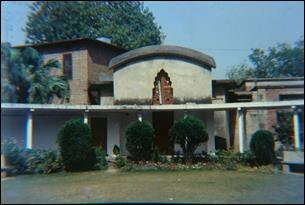
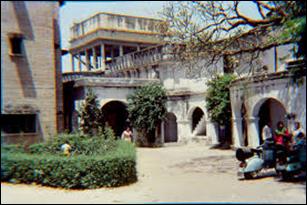
Interacting with parents opened yet another dimension of humanity. Some parents were pillars of support; others were frightened, confused, demanding special treatment, or in denial. Yet even in the most challenging conversations, I saw one truth: behind every struggling student was a family trying, in its own imperfect way, to love and protect.
And sometimes, help came from the most unexpected places—a quiet Nigerian student, who wasn’t a SG yet, became the bridge that brought a withdrawn peer back into the world. These were the moments that reminded us that compassion has no job title, no boundaries.
A Service That Grew as the Institute Grew
As IIT Kanpur expanded, so did the CS. More students meant more SGs. Many faculty members and faculty wives helped the CS in various ways. More lives touched, more hearts learning how to listen. The eventual move from an office in the faculty building to a campus house gave the CS a welcoming home—literally and figuratively.
Looking back, the Counselling Service taught me more than any classroom, conference, or textbook ever could. It taught me that:
• Empathy is a skill, but also a gift.
• Peers can be powerful healers.
• Faculty who speak to students as people—not just learners—make a lasting difference.
• A supportive institution can save lives.
• And every act of listening creates a ripple that travels farther than we ever see.
653
There were difficult moments—tragic losses that left us questioning what more could have been done. But those moments strengthened our resolve to build a campus where mental and emotional well-being are never afterthoughts.
To Everyone Who Walked This Path With Me
My deepest gratitude goes to Prof. Borwankar, Prof. Madhav, Mrs. Rajaraman, every Head of CS, every faculty volunteer, every spouse who participated, every Student Guide, and the staff of the Dean of Students’ Affairs.
You all helped make the Counselling Service not merely functional, but transformational.
And to the editors of Spark—thank you for giving me the opportunity to share this journey.
About Prof. Lilavati Krishnan:
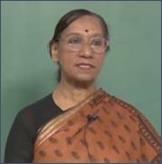 Prof. Lilavati Krishnan joined IITK in 1978 after completing her PhD
from McMaster University. She retired from IITK 36 years later in 2014 as a
Chaired Professor of Social Psychology in the HSS Department. Much loved and
admired by her students, she is best remembered for her ‘Introduction to
Psychology’ class, which she taught in almost every one of those 36 years, and
her Social Psychology classes, which were also extremely sought after.
Prof. Lilavati Krishnan joined IITK in 1978 after completing her PhD
from McMaster University. She retired from IITK 36 years later in 2014 as a
Chaired Professor of Social Psychology in the HSS Department. Much loved and
admired by her students, she is best remembered for her ‘Introduction to
Psychology’ class, which she taught in almost every one of those 36 years, and
her Social Psychology classes, which were also extremely sought after.
Prof. Krishnan’s research interests are in the areas of justice, prosocial behaviour and cultural issues. Post retirement, she has been associated with IISER Bhopal and several IITs, including IIT-Gandhinagar, Dharwad and Jammu. She served as the Head of the IITK Counselling Service in 1993-94.
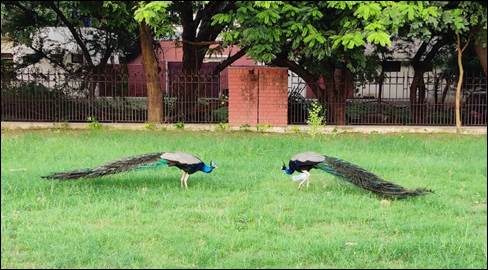
Picture: Virat Banoth, 2019
654
Combating Ragging – IITK Style
Bhuwan Mohan Prasad (BT, CE, 1977-82)
The Hindustan Times, July 8, 1987
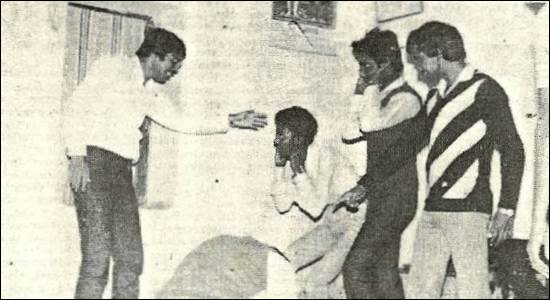
Come July, and a new session begins in colleges. And with it comes a grotesque scenario in the corridors of the houses of higher learning. The newcomers to the hostels are harassed to the point of wilting by sadistic seniors!
Ragging, like so many social practices, started with the well-meaning intention of giving new students a means to familiarize themselves with the senior students, new systems and the environment. But it has been perverted to such an ugly proportion, that often freshers are unable to bear the humiliation and resort to extreme measures, anything from leaving the college to committing suicide.
The Government has framed stringent rules and sends directives to universities and institutions every year to take strong measures against ragging, but these have not been proven to be an effective deterrent, as is obvious from past reports of various colleges where ragging in its most perverted form continues.
What could be an ideal solution to this most vexing problem?
The IIT Kanpur Model: A Different Way Forward
A pioneer institute of higher learning, the Indian Institute of Technology (IIT), Kanpur, is dealing with the problems faced by its students in its own novel way. It established a Counselling Service way back in 1963. Due to the efforts of this service, ragging has long ceased to be a problem in this institute. However, it should not mean that ragging has been banned in total, but the familiarization with seniors is carried out in a not-so demeaning manner. Ragging does take place, but only in the way as it ‘should’ without hurting the freshers.
655
The work of Counselling Service, however, doesn't stop here. In the specific case of IIT Kanpur, Dr M. R. Madhav Professor of Civil Engineering and a member of the Counselling Service of the institute says, "Ragging is a very minor or no problem in this institute. There are problems of different kinds. For example, the students who come here might have been toppers in their schools but here they have to face stiffer competition among their peers, and this can bring frustrations to some students.
Also, we have a semester system in which students are evaluated continuously. The academic pressure is continuous and there is not much scope for relaxation. The students have to write several tests in a short span of four months. Some students find it difficult to cope and this creates tensions in them. Then, there are students from weaker sections with special problems and foreign students who have problems with language, food and cultural shock. The Counselling Service helps to solve all these and many more."
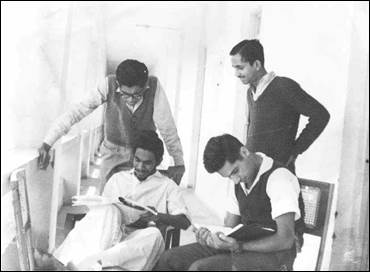
‘Ghutaai’ time. Also referred to as ‘Magga’. Academic pressures were (are) a part of life on campus, that many students had problems coping with. Visible are Arun, Narendra, Kawal, and Ashok, Hall-I, C-wing. Picture: The Third Batch (1962-67) Collection.
How the Counselling Service Works
The Counselling Service comprises of senior student volunteers, dedicated faculty, and staff members. According to Dr Madhav, "the students are the heart and soul of the service". The Counselling Service comes into full swing every year in the beginning of the academic session when new students are admitted to the institute.
Student-Guides: The First Line of Support
Every year a team of students from various classes, called student-guides, are selected after thorough screenings and interviews. The idea is to select student-guides who are mature, devoted and sincere. To each group of six to eight newcomers, a faculty counselor and a student-guide are attached. They form sort of a foster home. They meet each other as often as possible, discuss various problems and try to sort them out. Even if there is no pressing problem, the Counselling Service encourages the newcomers to overcome their inhibitions through person-to-person interaction and discussion. The effort is to make them feel at home.
656
Orientation With Heart
In the beginning of every session, the Counselling Service holds an orientation programme to help the new entrants acquaint themselves with the academic programme, the system of education, and the mode of evaluation at the institute, and so on and so forth. Many cultural activities and programmes are also held which help the new students become an integral part of the institute. The assimilation of new entrants into IIT Kanpur concludes with freshers giving a musical programme at the end of two weeks of their stay.
Beyond Adjustment: Academic and Emotional Support
Apart from the individual counselling for students’ particular difficulties, the service also organises free coaching classes for deficient students. To the students who show signs of impending breakdown. emotional support is also extended. The service, through its student benefit fund, also lends interest-free loans and provides part-time jobs to the needy students.
Building Such a System: Where to Begin
What should be the starting point to begin this kind of service? Says Dr Madhav, "First of all, isolate a team of dedicated people who are not bound by the official hours of 1000 to 0500 but are ready to work round the clock, if such need arises. The involvement of senior students is a must as they can understand and appreciate the problems faced by the other students better than anybody else can, as they themselves were likely to have faced similar kinds of problems in the past. These students are to be coordinated by a few counsellors, preferably well trained. The service can also be under a full-time counsellor, if the number of counsellors is not sufficient. These people should be trained in counselling. In the beginning, just take up one problem, say adjustment issues, and then slowly build up the service to tackle other problems.
Any institution or for that matter, any system, should not be too rigid. It should be open to slight accommodation to individual needs. The system should be such that it can adjust to the genuine needs of the students. In some extreme cases it should make exceptions, but such exceptions should be made very carefully and only after establishing the genuineness of the case. Also, the counselling service should work in co-operation with the dean of students affairs and other organs of the institute and not in conflict with them."
Inspiration Beyond Kanpur
The success of IIT Kanpur’s Counselling Service hasn’t gone unnoticed. Seeing its impact, several institutions—including IIT Delhi—have launched similar initiatives inspired by Kanpur’s model. These efforts mark a shift away from punitive, rule-based approaches toward systems built on connection, mentorship, and empathy.
At a time when student mental health is finally beginning to receive the attention it deserves, the IITK story offers a powerful lesson: Ragging doesn’t end simply because it is banned. It ends when campuses choose to build communities.
657
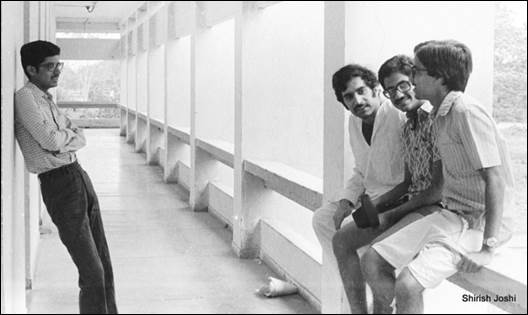
Friends hanging out in Hall-I. Some images of our time at IITK remain timeless. Change the names and faces, and this photo can be replicated across every year and every batch, in every wing of every Hall. The friendships last a lifetime. Visible are (L to R): Prashant Sardeshmukh, Arun Dhir, Sumant Nigam, and TVS Parthasarathy, Hall 1, F Middle, 1978. Picture: Shirish Joshi
About the author:
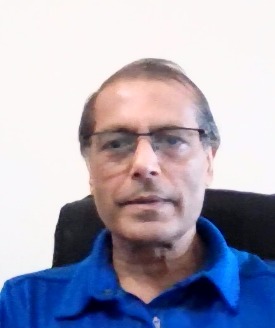
Bhuwan Mohan Prasad is an engineer, consultant and writer with over four decades of experience across environmental management, infrastructure planning and sustainability. After graduating from IITK in 1982, he obtained advanced degrees in Environmental Engineering, Chemical Engineering and Forestry, including from the University of Toronto. His career spans the Central Pollution Control Board in India and senior technical roles with leading US/Canadian organizations.
Alongside his professional work, Bhuwan has been an active freelance writer, contributing to major national publications including The Times of India, The Indian Express, Hindustan Times, Business Standard, Telegraph, Deccan Herald, Tribune, Economic Times, and others. His writing explores environment, health, energy, travel, yoga and spirituality, reflecting his multidisciplinary background and lifelong interest in holistic well-being.
This article originally appeared in The Hindustan Times of July 8, 1987. A pdf copy of the original is available in the files of the Facebook group This Bit of That IITK or on Bhuwan’s Google Drive here
658
A Student-Guide’s Perspective:
Memories of the Counselling Service at IITK
Alok Kumar (BT, ChE, 1976-81)
I came to IIT Kanpur in July 1976 to join the 5-year B.Tech program in Chemical Engineering. The initial campus experience involved hostel allotment by senior students acting as a counselling service, running a 3–4 day induction program—a setup different from our expectations of typical college campuses.
The induction program gathered all 230-odd batchmates in the Lecture Hall complex. We were introduced to the concept of a Student Guide and a Faculty Counsellor. My guide was Rajendra Bordia (B.Tech 1979), who later became the Counselling Service Coordinator. He is now a respected professor in the US and a DSA recipient. Our faculty counsellor was Dr. Srinivasan (Mechanical Engineering), an IIT Madras alumnus. Mr. Singhal was the Student Coordinator at the time.
The induction featured an unpleasant BCG vaccination, causing fever, but also pleasant experiences like meeting students from across India and touring the academic facilities. The 6-floor Academic Building, Computer Centre, and new SAC were landmarks. We bonded with students in our guide groups (around 8 each). This occurred during India's Emergency; ragging was officially banned, though the reality was different.
In my third semester, the counselling service sought new members. My roommate and I joined after meeting student coordinator Mr. Alam. Our initial roles were data gathering. We met the new Head, Dr. JD Borwankar, and counsellor Mrs. D Rajaraman.
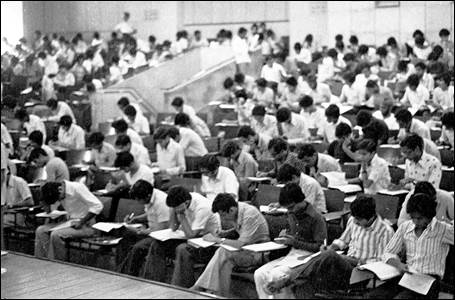
Exam time in L-7. Typical seating was alternate seats and alternate rows for the main class; other classes could subsequently fill in the other spots, allowing several exams to be conducted concurrently. The continuous academic pressure was probably the biggest source of mental health issues.
Picture: Shirish Joshi, 1977-78
659
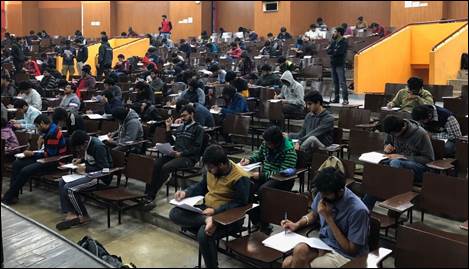
Endsem time, L-7, November 2019. Picture: Prof. TV Prabhakar
In my third year (1978-79), I became a student guide. I convinced Dr. M. C. Bhandari (Maths) to be my faculty counsellor; both he and his wife were gracious hosts. Around this time, I also started teaching TA-101 (Engineering Drawing) for "slow pace program" students.
My interest grew in addressing student adjustment challenges (academic pace, social connect). I discussed these with Dr. Borwankar, Mrs. Rajaraman, and Dr. Lilawati Krishnan (Psychology). A core group was formed in 1979 to address these sensitive concerns, this included me as the UG member, a PG member, and a girls' member.
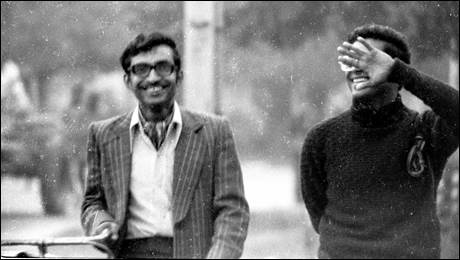
Within the departments, help was also available for those needing extra attention. In the ChE department, Professors PK Bhattacharya (PKB) and Santosh Gupta (SKG) would work with the students, guiding them through course selections and arranging the timetables to make sure that these classes were available without conflict. Picture: Shirish Joshi, c. 1977.
660
We underwent training by Dr. Marjory Foyle, a reputed psychiatrist, at the Nur Manzil Psychiatric Centre in Lucknow, travelling there regularly in the Institute’s diesel jeep—a challenging commute due to smoke and vibrations.
Workshops with external psychologists like Dr. Vij from Delhi were also held for all student guides. These were pioneering initiatives to address student adjustment issues.
My fourth year was busy with this new program. I maintained strict confidentiality; only two friends knew about my involvement until my 2023 reunion. Interactions with struggling students who later succeeded were rewarding. The confidential nature of the work, involving information only shared between me and the Head/Counsellor, provided valuable leadership insights for my career.
In my final year, I advised Sudhir Misra, the new Student Coordinator. Dr. M. R. Madhav became the new Head of the Counselling Service.
About the author:
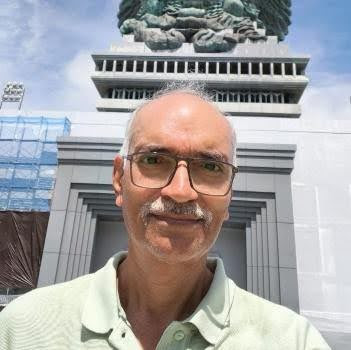
Alok Kumar is a freelance consultant advising various organizations in the Chemical Process Industries in India. He provides mentorship to owners / entrepreneurs of medium size companies looking for professional transformation of their organizations. He is located in the Bharuch area in Gujarat, the largest hub of chemical process industries in India.
Alok joined IIT Kanpur in the undergraduate batch of 1976 and completed his B.Tech in Chemical Engineering in 1981. He worked in various sectors of the Chemical Process Industries till 2019, in diverse functions, retiring as CEO & Managing Director in a joint-sector Waste Management Company. He started his own consultancy services in 2020. Alok had been a very active member of the Counselling Service at IITK, serving as Student Guide and Coordinator in the latter years.
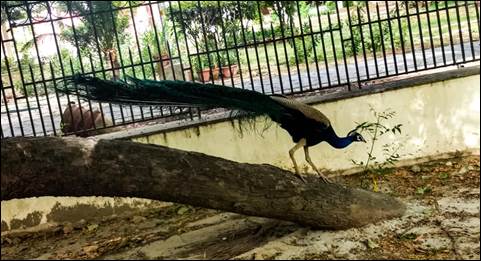
Picture: Aditya Raghav Trivedi, 2019
661
Antaragni 2025
As the curtains fell on the 60th edition of Antaragni, IIT Kanpur’s annual cultural festival, the campus bathed in the afterglow of four unforgettable days, each brimming with creativity, intellect, and the boundless energy of youth. The diamond jubilee edition of Antaragni, 2025 was not just a festival; it was an emotion—an ever-burning flame that united thousands in a celebration of art, expression, and community.
Day 1 began on a note of reverence with the sacred Hawan Ceremony and the inauguration of Antaragni and Akshar 2025. The Acting Dean of Faculty Affairs of IITK, Prof. Jitendra K. Bera, was the Chief Guest, he delivered a welcome speech, highlighting the rich cultural heritage of the institute and the evolution of Antaragni into one of India’s most awaited college festivals.
The day unfolded as a journey through literature and rhythm—from the spellbinding Dastaan-I-Kaifi Azmi by Himanshu Bajpai and Pragya Sharma and Premchandra and Banaras by Vyomesh Shukla sessions to Svar Sandhya by Mohammad Vakil & Group and Uttar Pradesh ke Lokgeet by Siddharth Singh, which celebrated the state’s folk heritage.
A session titled “Nation with Namo” celebrated youth leadership and purpose-driven action. During this session, the NationBuilding platform—one of India’s fastest-growing student initiatives inspiring youth to pursue meaningful careers—officially launched the NationBuilding Case Study Competition.
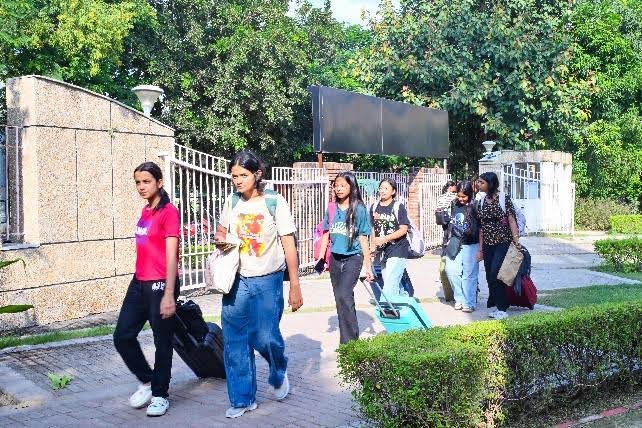
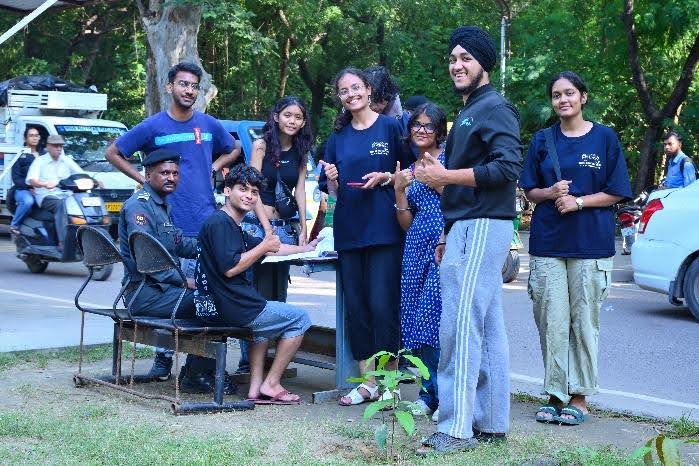
Participants arriving on campus for Antaragni ‘25
662

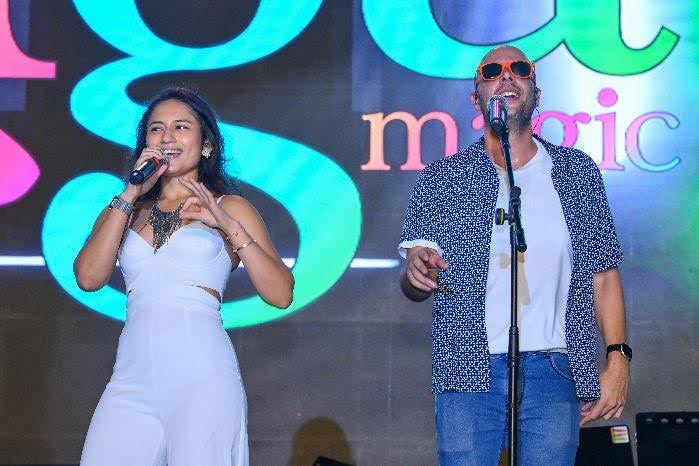
Rock Night featuring Raaga Magic Band (Left) and Anurag Halder (Right)
As night descended, Rock Night featuring Raaga Magic Band electrified the audience with a fusion of Bollywood and rock classics. The Talent Fiesta and Groove & Soothe brought a soulful finish, while the preliminary round of Ritambhara saw fierce competition among top fashion teams, setting the stage for a thrilling finale.
Day 2 took the fest’s vibrancy to new heights. The day began with the powerful Nukkad Natak Prelims, where 30 teams from across the country transformed the streets of IIT Kanpur into open-air theaters. The streets echoed with emotion during Stage Play Prelims, Junoon, and Estampie turned stages into arenas of passion and performance. Following this was Jitterbug Prelims, Antaragni’s grand dance extravaganza, which unfolded in three thrilling rounds that tested rhythm, creativity, and coordination.
Estampie – the dance battle
663
From the poetic charm of Open Mic sessions- Bachoo Ka Kona and Ubharte Sitare to the grace of Kathak by Smt. Amrita Bhushan & Group, art found countless voices. The cultural rhythm continued into the evening with “Mehfil-e-Qawwali” by Yusuf Nizami & Group, where the soulful qawwalis filled the air with devotion and ecstasy. Later, “SurSarita” by Eesha Chakraborty & Group elevated the musical ambience with a seamless blend of classical and contemporary melodies.
Creativity flowed through the art zones with Surrealism and Quilling, where participants showcased imagination through surreal art and intricate paper designs. Intellectual engagement came alive through the InMobi Panel Discussion – “AI se Aage: Desi Superpowers from India to the World”—and a Mental well-being session under TeleMANAS featured Dr. Neetu Shukla, from the National Health Mission, Uttar Pradesh, and Dr. Chiranjeev Prasad, of the Department of Psychiatry, UHM District Hospital, Kanpur.
As night fell, Fusion Night with playback sensation Mohammad Irfan set the stage ablaze with his chartbusters, followed by Groove & Soothe by Simran Khera and a soothing Classical Night that closed the day in elegance. As the night drew to a close, the soothing Classical Night offered a serene musical retreat with sitar, tabla, and vocal performances that reflected India’s rich heritage. The day culminated with Disenador, the elegant fashion and design event that turned the stage into a runway of imagination.
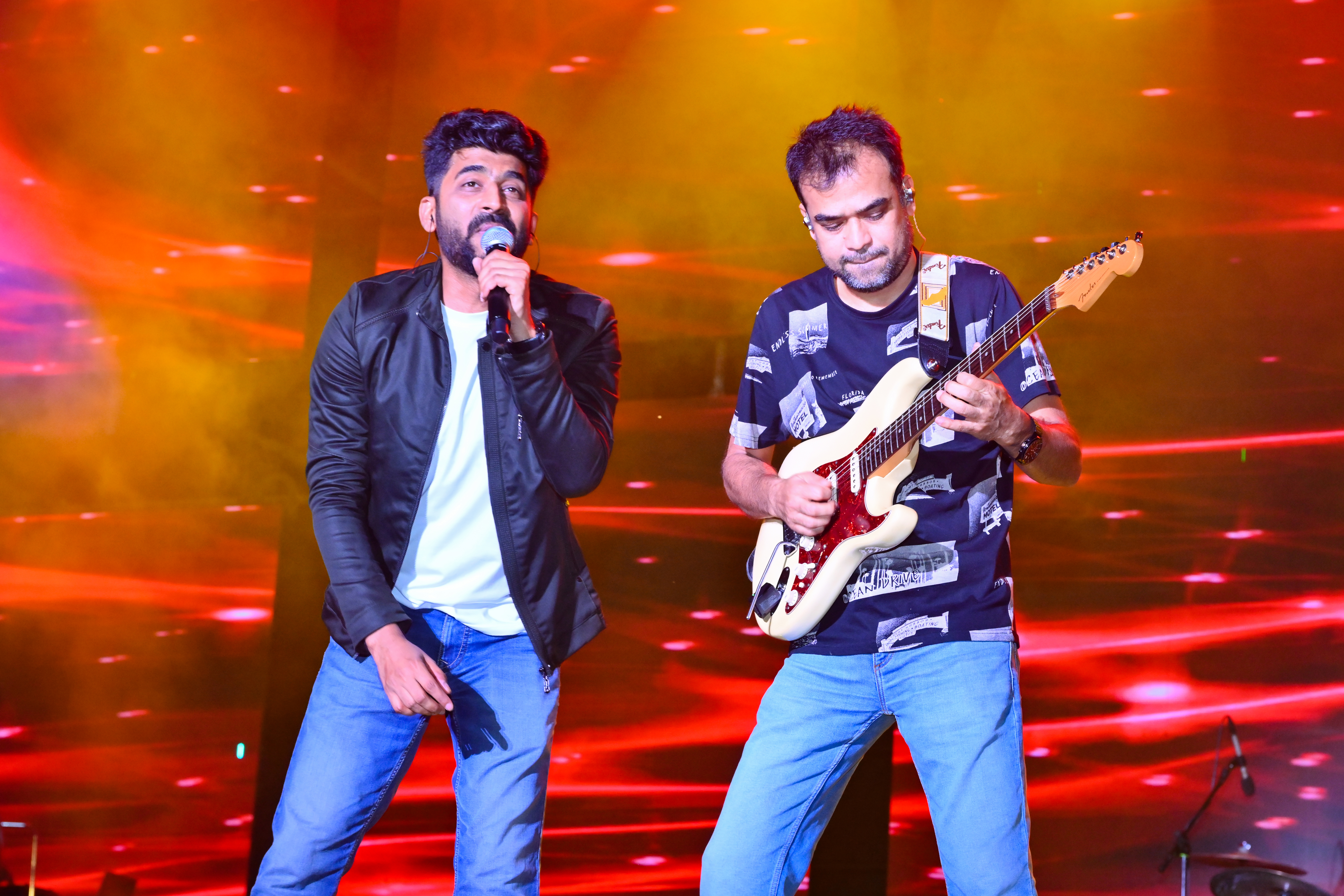
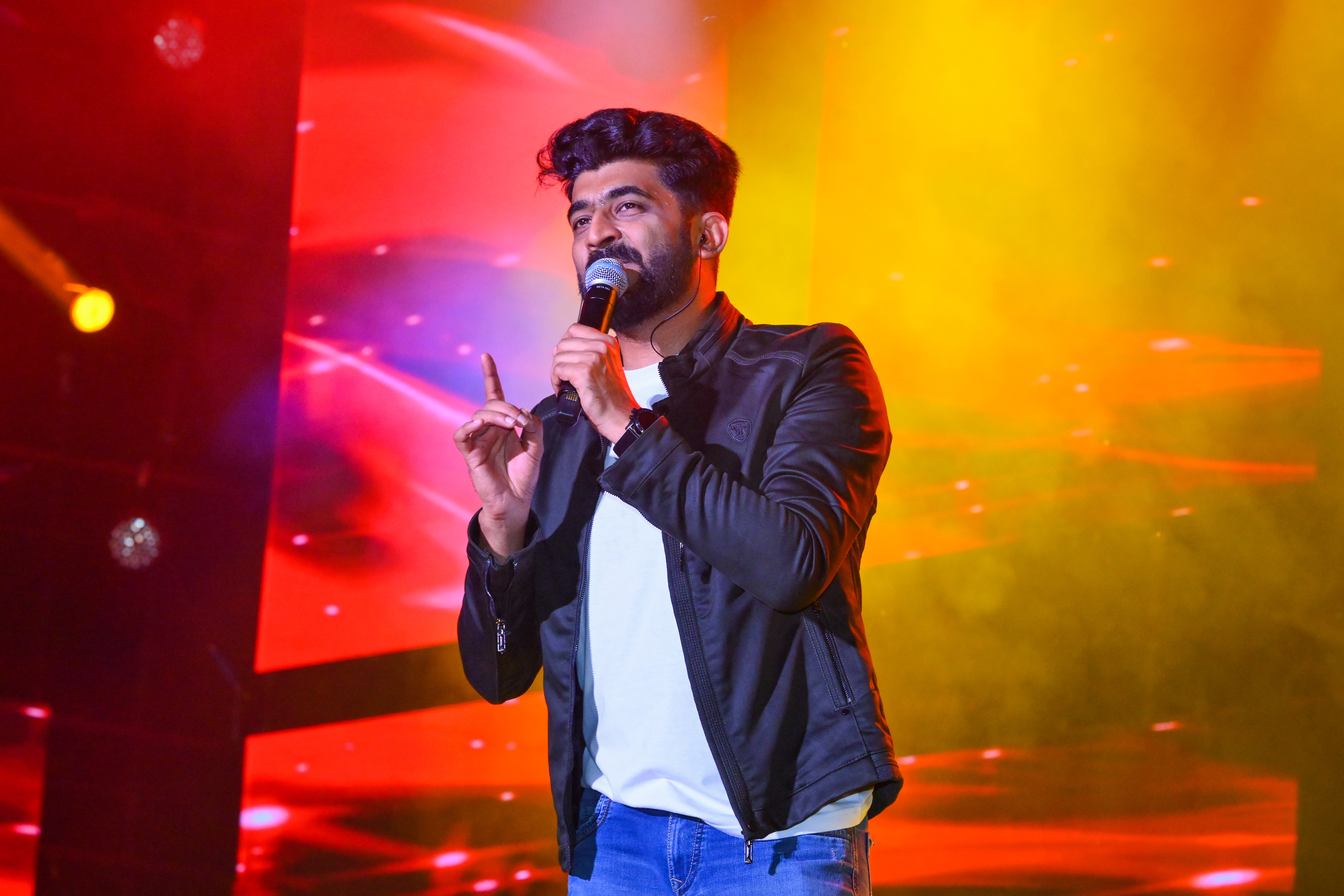
Fusion Night featuring playback singer Mohd Irfan
Designers presented bold, sustainable, and futuristic concepts, closing the day with a perfect fusion of art and innovation.
Day 3 was a flurry of artistic brilliance and intellectual passion. From Poetry Slam and Kavyanjali to Stage Play Finale, creativity reigned supreme. Synchronicity, the grand rock fiesta, unleashed electrifying performances that echoed across the campus.
664
Nrityangna – the classical dance competition
The day also saw Nrityangna, Helm Quiz, and India Quiz. Another important session was ‘Yatharth ya Manoranjan: Aaj ke Daur Mein Cinema ke Prayojan’. This session was highlighted by the astonishing intellect of Actors Saharash Shukla of Chichhore & Durgesh Kumar of Panchayat. Renowned litterateur & writer Bhavana Mishra discussed with the actors the issues of realism & fiction in the entertainment industry.
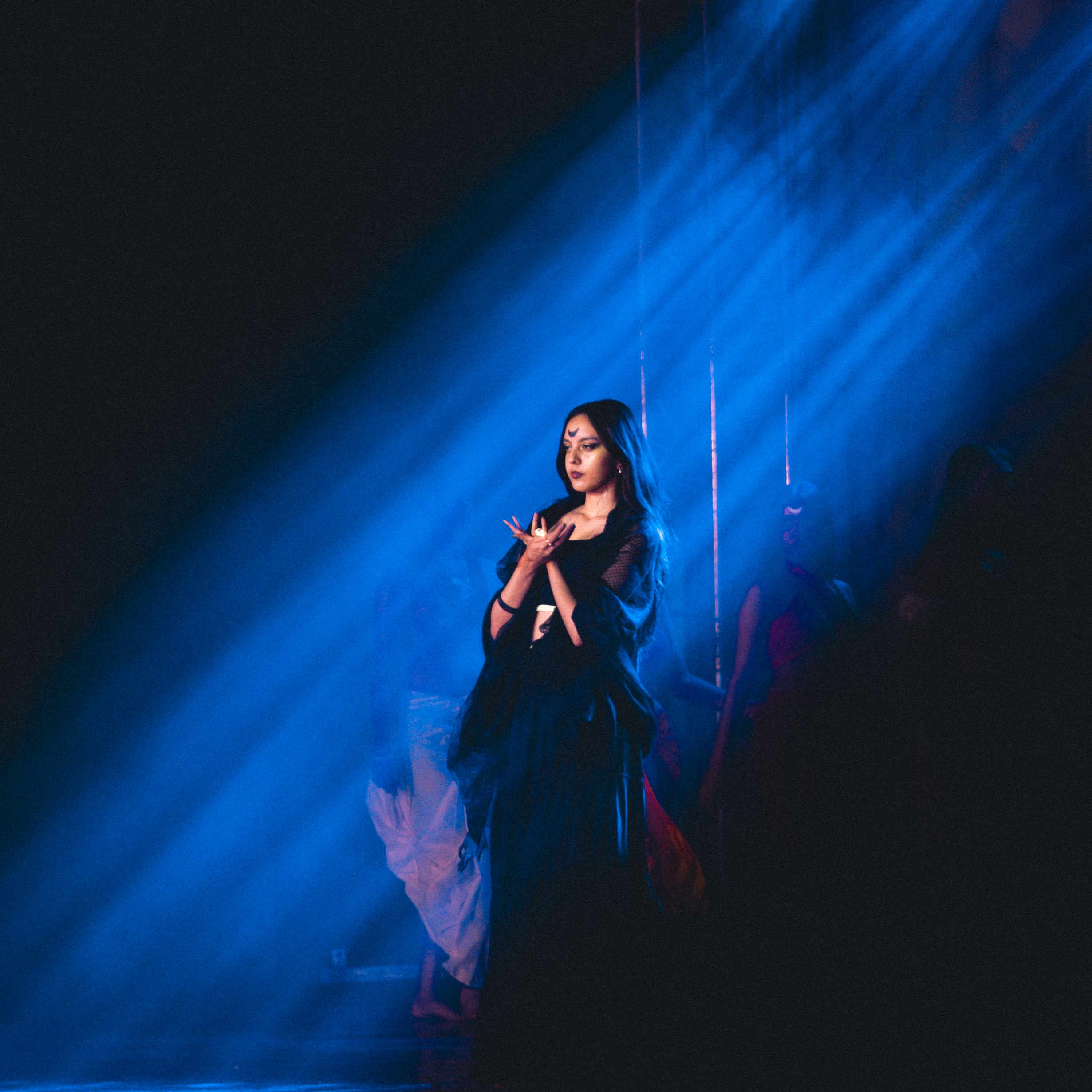 The evening’s literary brilliance shone through Mahakavi Sammelan,
featuring renowned poets Naresh Saxena, Balmohan Pandey, Amratanshu Sharma,
Vyomesh Shukla, Lokesh Tripathi, Ekagra Sharma, Vishwanath Tiwari, Sanya Rai,
and Azhar Iqbal. Their eloquence touched hearts and minds alike. The session
“Kalpana Se Karuna Tak,” led by Dr. Alok Bajpai, Anand Kakkad, & Dr. Madhu
Saigal, HoD - BDC College, Kanpur explored the empathetic power of
imagination—a deeply moving discourse that left the audience introspective. The
panelists discussed in detail the role of literature, arts & humanities in
establishing empathy & appreciation of human lives & emotions.
The evening’s literary brilliance shone through Mahakavi Sammelan,
featuring renowned poets Naresh Saxena, Balmohan Pandey, Amratanshu Sharma,
Vyomesh Shukla, Lokesh Tripathi, Ekagra Sharma, Vishwanath Tiwari, Sanya Rai,
and Azhar Iqbal. Their eloquence touched hearts and minds alike. The session
“Kalpana Se Karuna Tak,” led by Dr. Alok Bajpai, Anand Kakkad, & Dr. Madhu
Saigal, HoD - BDC College, Kanpur explored the empathetic power of
imagination—a deeply moving discourse that left the audience introspective. The
panelists discussed in detail the role of literature, arts & humanities in
establishing empathy & appreciation of human lives & emotions.
Rithambhara – the fashion competition
Gaming enthusiasts took center stage in the BGMI–Real Cricket showdown, where strategy met reflexes in high-octane virtual battles. Later, DJ War Prelims saw upcoming DJs compete to craft the most hypnotic beats, setting the tone for future night-long fiestas. As the sun set, Ritambhara Finale stole the spotlight with bold designs and captivating runway moments, while Comic Kaun, Tour de Force, and Talent Fiesta showcased the festival’s diversity. The evening crescendoed with an unforgettable EDM Night featuring Terimiko, turning the campus into a sea of rhythm and light.
665
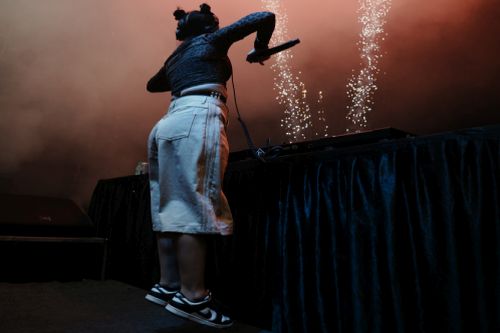
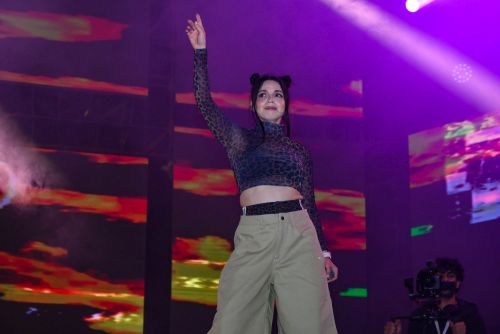
EDM Night featuring Terimiko
Day 4: marked a vibrant culmination—an explosion of color, creativity, and celebration. From the emotionally charged Nukkad Natak Finals and soulful Antaragni Idol performances to the electrifying Jitterbug Finals and the joyous Color Run, every event embodied the fest’s exuberance.
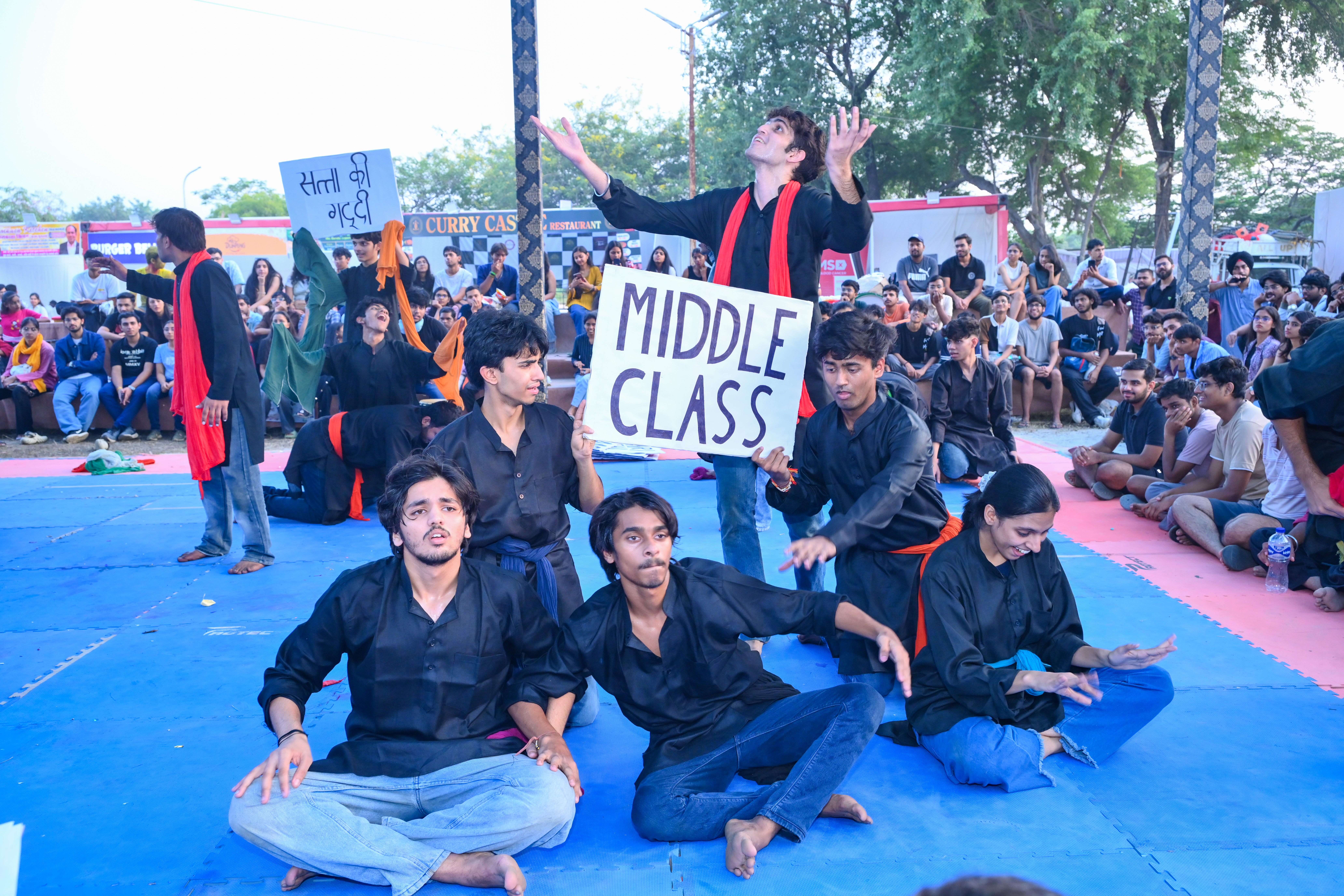
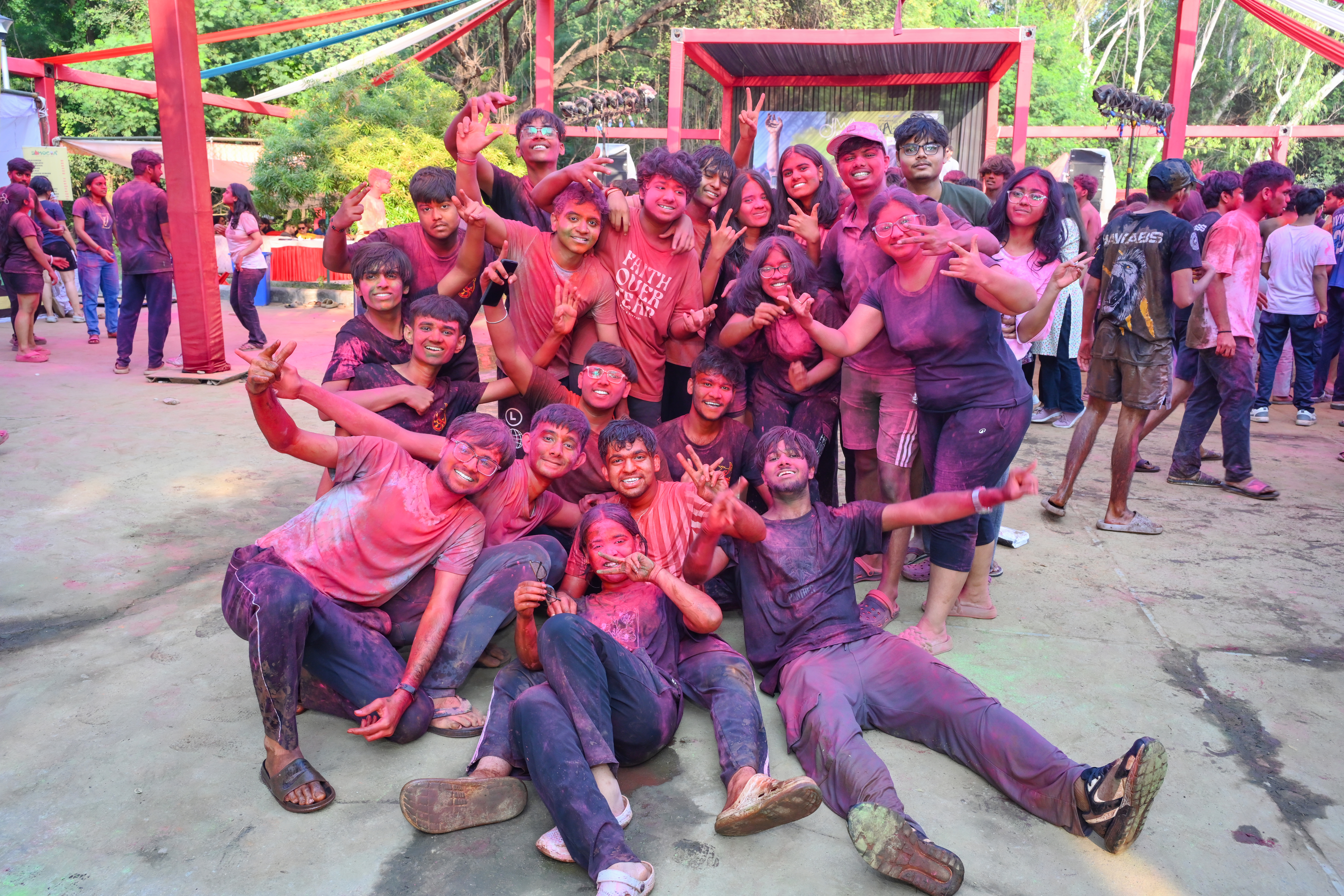
Nukkad Natak and Color Run
666
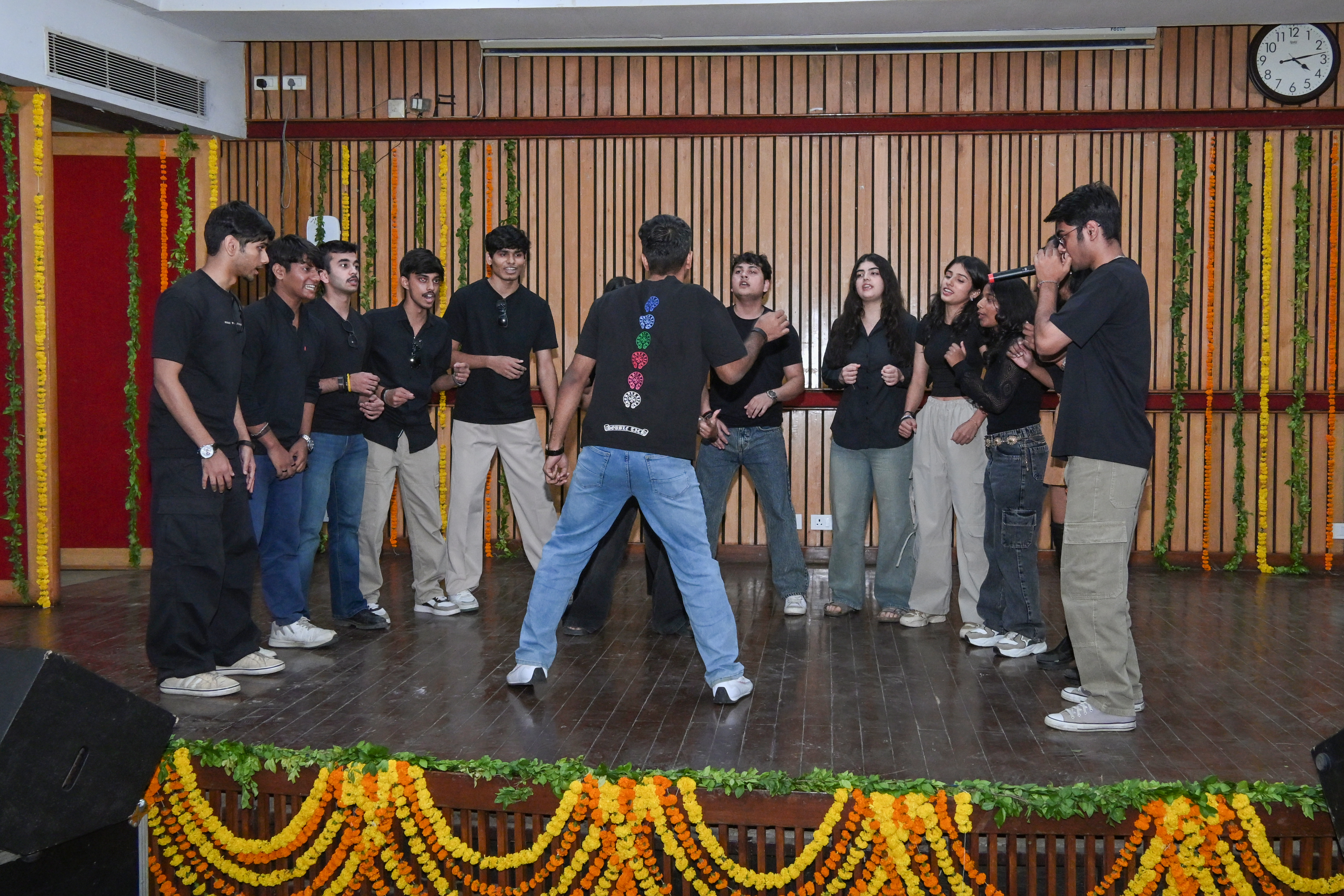
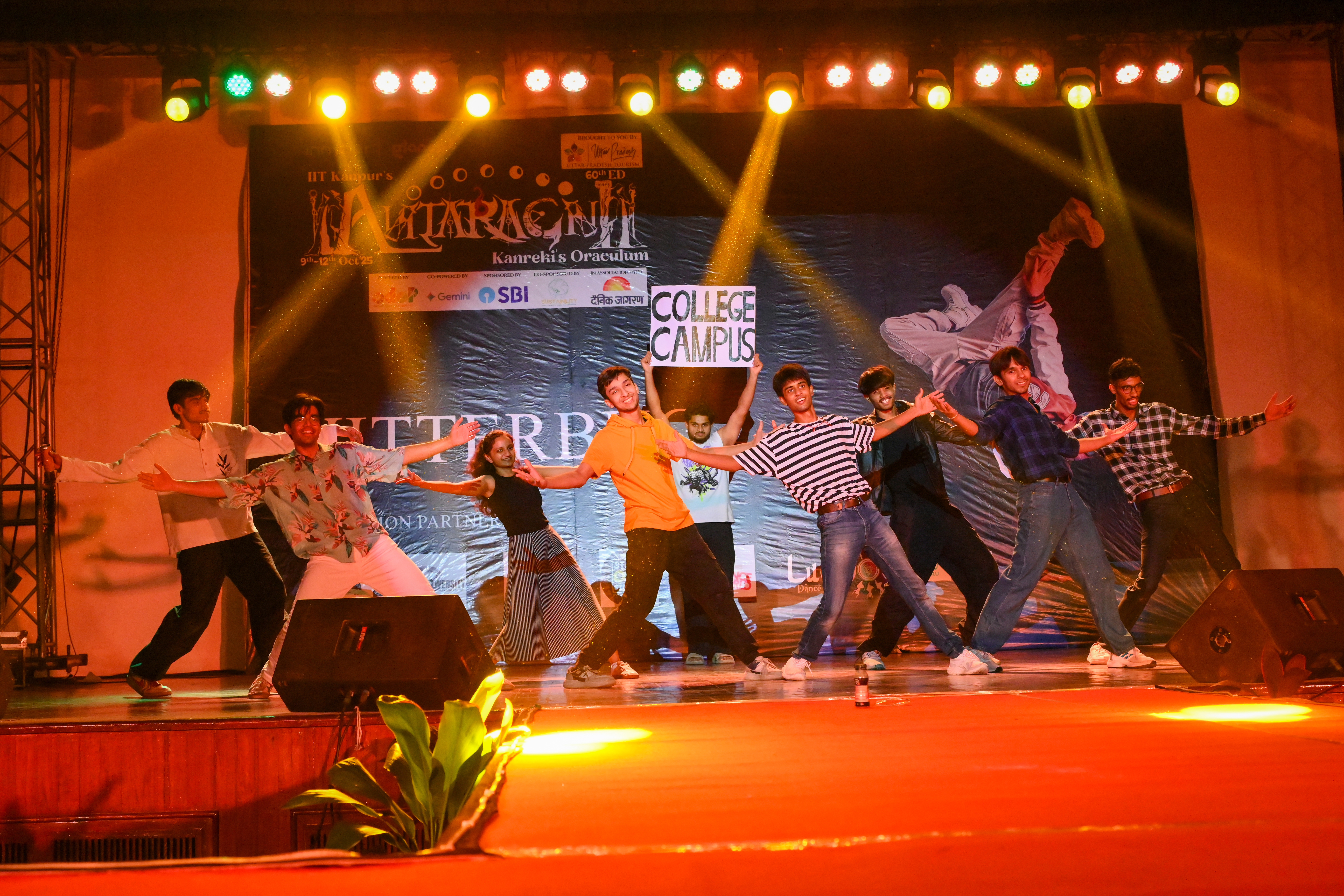
Jitterberg Finals – the group dance competition
Battle of Art, Mandala Art, and Drishtikon celebrated artistic and intellectual freedom, while the Parliamentary Debate Finals and Mela Quiz added sharp wit to the mix. The melodic harmony of the Acappella Finale filled the air with pure, unaccompanied voices blending in perfect rhythm—a testament to musical unity and vocal brilliance. Story lovers gathered for the Kahaani Screening, where cinematic storytelling met emotion and imagination in short film showcases that touched every soul.
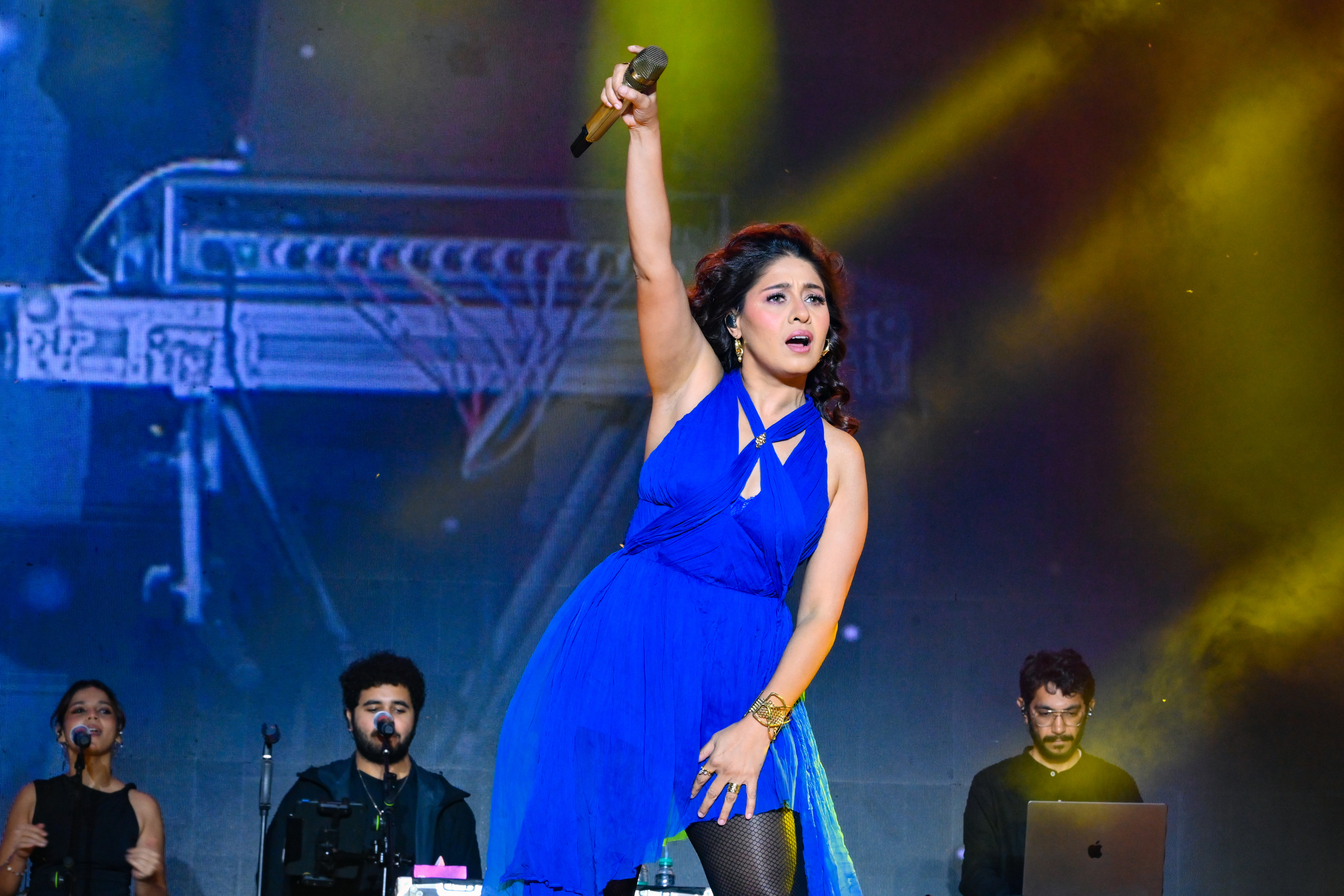

Bollywood Night featuring Sunidhi Chauhan
As night fell, the campus came alive for the much-awaited Bollywood Night featuring the powerhouse Sunidhi Chauhan, whose iconic hits—Sheila Ki Jawani, Desi Girl, Kamli, Dhoom Machale, and Crazy Kiya Re—turned the arena into a roaring chorus of thousands. The night continued with Groove & Soothe by Kunj Sings and Prateek Harbola, before the legendary Boiler Room session ignited one last surge of energy. The legendary Boiler Room session turned up the energy with underground beats and immersive lighting, giving festival-goers an electrifying experience of raw, pulsating energy and defining what Antaragni stands for—passion, celebration, and unforgettable memories.
Across these four days, Antaragni 2025 celebrated not just performances but perseverance, not just competition but connection. From the thought-provoking panels to electrifying concerts, from the poise of Ritambhara—where IIT Kanpur claimed the crown and first runner up was Lady Irwin College—to the grace and harmony of Duet, won by Arpita and Anshwara, every moment reflected passion at its purest form.
667
As the final notes faded under the starlit Kanpur sky, the air buzzed with nostalgia. Strangers had become friends, stages had turned into canvases, and every corner of the campus had pulsed with life. The 60th edition of Antaragni will be remembered as a landmark celebration—one that honored six decades of creativity, culture, and the undying flame of youth.
Antaragni 2025 was not just a festival of art, but also a platform for social good. This commitment shone brightest on Day 3 (October 11th), which coincided with the International Day of the Girl Child. A dedicated team of student volunteers, demonstrating the festival's empathetic core, organized a powerful outreach initiative. They distributed sanitary pads, generously provided by SheWings, ensuring a message of dignity and health reached the community. This act transcended cultural celebration, emphasizing the importance of menstrual hygiene and challenging societal taboos.
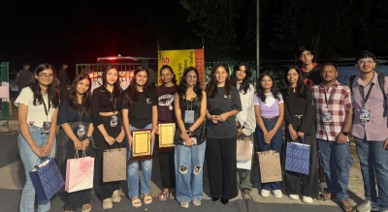 The festival concluded on Day 4 (12th October) with a grand gesture
of recognition. During the final Pronite, the legendary Bollywood playback
singer Sunidhi Chauhan took a moment amidst her iconic performance to
personally honor this dedicated team. She presented the student volunteers with
mementos and gifts, a powerful symbol of appreciation from an icon, validating
their effort and giving the cause a massive platform.
The festival concluded on Day 4 (12th October) with a grand gesture
of recognition. During the final Pronite, the legendary Bollywood playback
singer Sunidhi Chauhan took a moment amidst her iconic performance to
personally honor this dedicated team. She presented the student volunteers with
mementos and gifts, a powerful symbol of appreciation from an icon, validating
their effort and giving the cause a massive platform.
Sunidhi Chauhan with the volunteers
Text contributed by Riddhima Vijaywargiya (BT, EE, 2022-26), Head Media and Publicity, Antaragni 2025, and Muskan Kumari (2023-27). Pictures: Information Cell, IITK and the Antaragni Media Team
668
Our Bits of That IITK
Catching Up with Mentors
During the Foundation Day celebrations on Nov 2, members of the Spark team were able to meet with Prof SK Gupta (SKG) at his home in Bara Sirohi near the IITK campus.
In addition to teaching the classes, during their years at IITK, Professors SKG and PK Bhattacharya (PKB) had played a very big part in guiding students of the ChE Dept through the program, advising them on course selections and arranging department timetables to ensure that there were no conflicts.
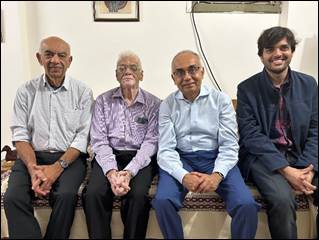
Visible in this picture are Shirish Joshi (1973-78), Prof. SKG (1963-68), Aseem Shukla (1978-83) and Salman Khan (BT-MT, 2011-16), who is a current faculty member in the ChE department.
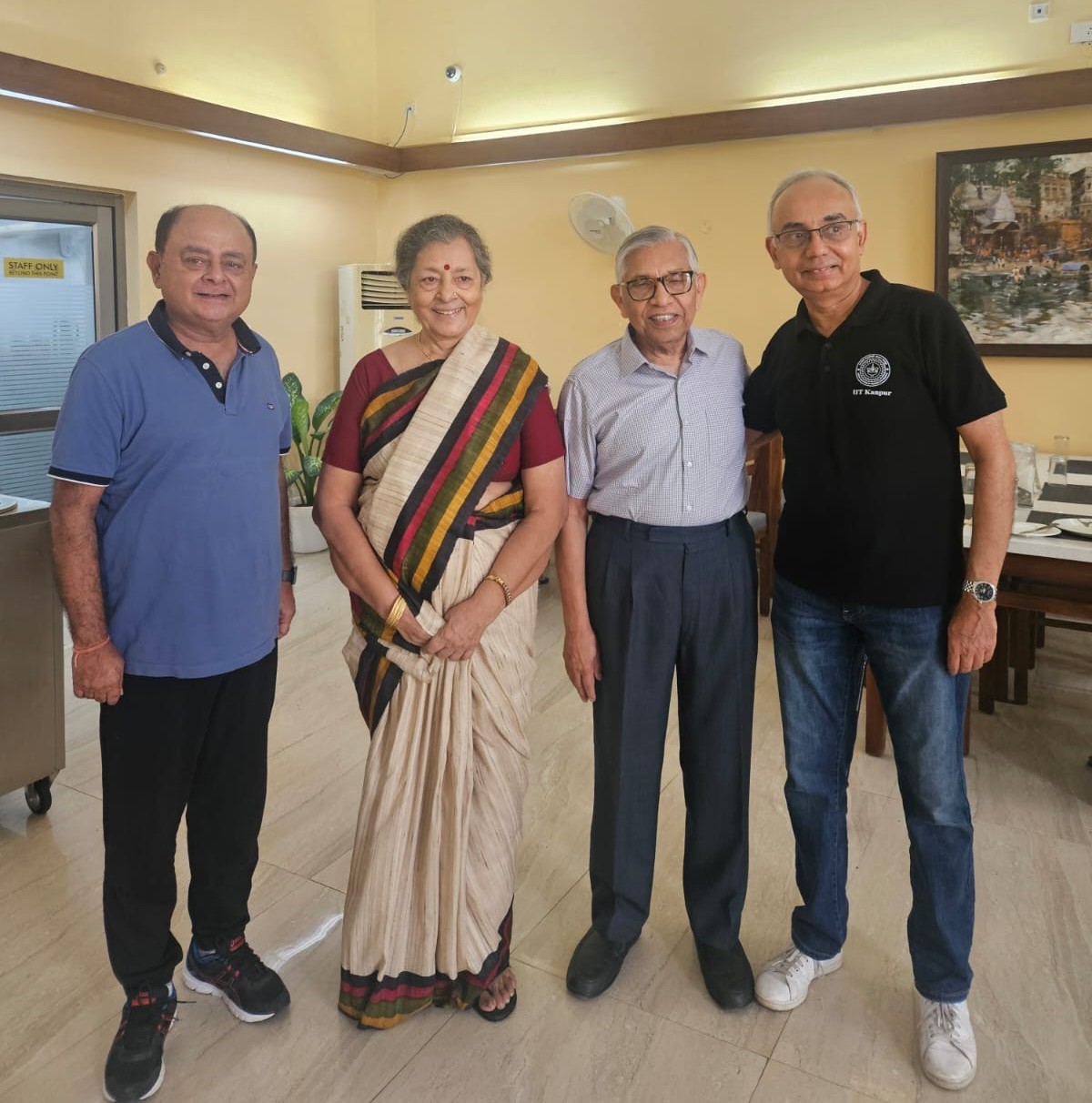
Also, during the Foundation Day celebrations, we met Prof. RN Biswas at breakfast in the VH dining hall. It was a pleasure to meet Prof. and Mrs. Biswas. They are still very attached to IITK and try to visit the campus at every opportunity.
Prof. RNB remembered in vivid detail some of the incidents that had got us into trouble during his tenure as Warden Hall-I in 1982-83.
Visible here are Anurag Dikshit (1978-83), Mrs. Singdha Biswas, Prof. RNB and Aseem Shukla (1978-83).
669
The IITK Seal
The original design of the IITK seal was based on suggestions by Dr. Sampuranand (then Chief Minister, UP) and rendered by Sudhir Ranjan Khastgir, Principal of Lucknow College of Arts and Crafts.
The seal represents what IIT Kanpur stands for:
At its core is a ‘At its core is a ‘trinetra’ with three eyes symbolizing knowledge—an embodiment of the three fundamental aspects of learning: Perception, Analysis, and Synthesis.
It is a powerful metaphor for inner perception, clarity of thought, and intellectual depth.
Surrounding this is a gear, representing technology and the spirit of working around the clock—signifying the unending pursuit of engineering excellence and innovation, with the circles representing the wheels of progress.
(L) The original seal of IITK as it appears on the covers of the Institute Annual Reports through 1964-65. Picture: Abhay Bhushan (1960-65).
(C) The updated, hand-lettered seal designed by Professor Vijay Stokes in 1966. Picture: Professor Vijay Stokes. First used in the degrees awarded in the Second Convocation.
(R) The present seal with sans serif Devanagari and English script, introduced in 1989.
Ahead of the Second Convocation, the design of the seal was updated by Professor Vijay Stokes in 1966, with a more realistic trishul, the number of gear teeth reduced from 30 to 24, and the profile for the gear teeth corrected. The classic letters used were taken from the ancient Trajan Roman columns. These changes resulted in a simpler, better seal. Together with the names of awardees, the new seal was printed on all degree certificates.
Based on a Government of India recommendation, in the late 1980s the name of the Institute was rendered in both Hindi and English. While most elements of Professor Stokes’ design are still present in the current seal, the classic Roman letters in the outer circle have been replaced with smaller, sans serif Devanagari and English fonts. This seal was first used for the degrees awarded in 1989, and remains in use today.
670
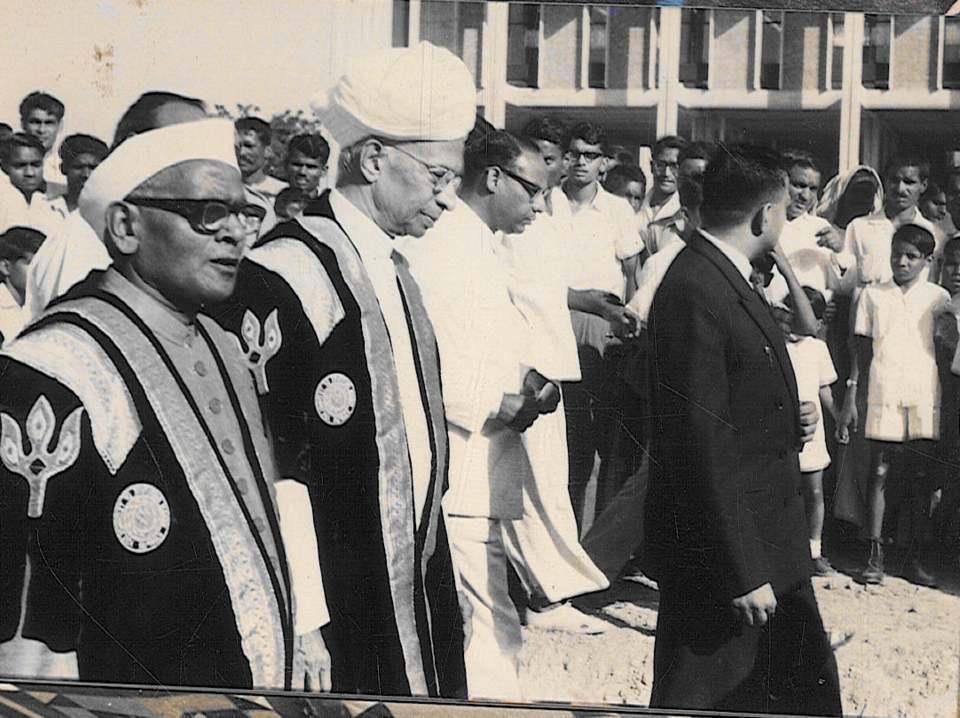
President Radhakrishnan and Mr CB Gupta (then Chief Minister, UP) arriving for the Firdt Convocation in Oct 1965. The Trinetras are prominently visibe on the gowns
Picture: The Second Batch (1961-66) Collection
The Rediscovery of Its Origins
In 2017, while applying for trademark registration, IIT Kanpur was asked by legal attorneys to provide proof of the seal’s first usage. However, no official documentation existed.
A meticulous search was launched—beginning with the Registrar’s Office and eventually leading to the P.K. Kelkar Library, where the National Archive Center stores historical records since the institute’s founding.
While rummaging through the archives, the Patent Office came across many old letterheads—none definitive. But then, they discovered an old photograph dated 1960. It featured Prof. P.K. Kelkar, the institute’s founding Director, with the IITK Volleyball team. Upon closer inspection, the players were seen wearing coats with the IITK crest imprinted. This became the key evidence for filing the trademark application, which was successfully submitted on 23 May 2017. Today, the institute proudly uses the seal superscribed with Ⓡ—a mark of identity, pride, and legacy.
Contributed by Aman Kumar Singh (BT-MT, CE, 2020-25) using information sourced from the Spark, Feb 1967 and the IITK Archives
671
Peacocks Everywhere
Peacocks have been present on the campus since the earliest of times – they probably thrived in the woods surrounding the fields when the area was still farmland.
In the 1970s they were mostly confined to the nursery area, but over the years the population has multiplied, and they can now be spotted everywhere in our very green campus.
Closing out our ‘peacock’ issue we include a note from members of the Frontier Batch (1963-68), who arrived on the campus in July 1963, and found the peacocks waiting to greet them. We also include a collection of photographs, clicked around the campus, and shared with us by members of our Facebook group This Bit of That IITK
There were many good points too, on campus. We could see numerous peacocks, our national bird, roaming in the grass, sporting crowns on their heads, displaying shiny and brightly coloured feathers. The colors in their feathers – blue, bronze, gold, green, purple and more – changed with the light. Their shrill calls were heard day and night. Some lucky ones caught occasional glimpses of peacocks dancing.
The peacocks were a delight not only for the students, but also for the American professors and other foreign visitors, since these beautiful birds were rare in their country. Strictly speaking, the peacocks were present in the area long before the campus was started; they used to live and feed within the village fields where IITK now stood. The campus provided a safe haven, free of poachers, where the peacocks could find shelter and feed undisturbed in the open spaces within the campus.
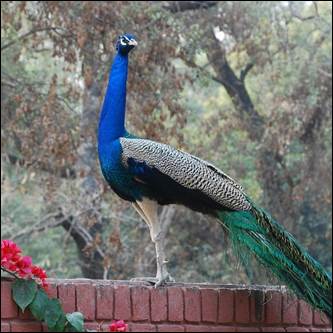
Picture: Ravi Sethi (BT, ME, 1963-68), 2008
672
Bimal Srivastava recalls:
A few years ago, I happened to go to IITK for a seminar, and to my pleasant surprise, I found that the peacocks had multiplied manyfold. All over the campus, I saw dozens of peacocks roaming freely, offering a colorful sight. Obviously, the safety, security and availability of food within the campus had supported their growth. The new generation of peacocks must have been the great-great-grandchildren of the peacocks of our days (with three-year breeding cycles, the present-day peacocks must be the 15th or 16th generation down the line from the peacocks of our day).
Bimal Srivastava, (BT, EE, 1963-68)
On the other hand, some did complain that the abundance of peacocks was a nuisance, as their loud and noisy calls disturbed them from their sleep and studies. Over time, the peacocks had become so bold that, on occasion, they would snatch parathas from breakfast plates.
IIT Kanpur has the opportunity to declare the campus a peacock sanctuary for the sake of the students, staff, and visitors. The campus already has large ostentations of these majestic birds. A peacock sanctuary could be similar to the deer sanctuary at IIT Madras in Chennai.
Source: The Frontier Batch, 1963-68
Editors: Bimal Srivastava, Ram Behari Misra, Ravi Sethi
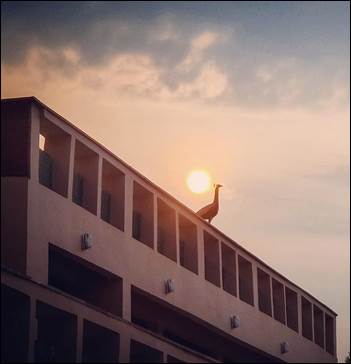
Good morning IITK! A peacock greets Freshers on the first day of classes for the new academic year.
Picture: Divyansh Sikhar, Hall-13, 2019
673
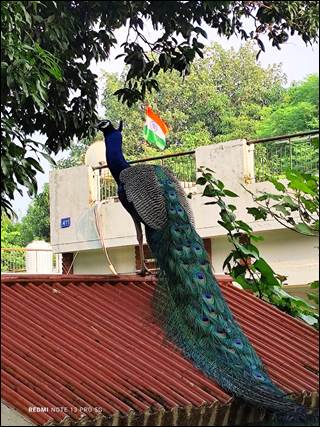
Independence Day. Spotted on the campus with the tricolour fluttering in the background.
Picture: Peeusa Mitra, 2025
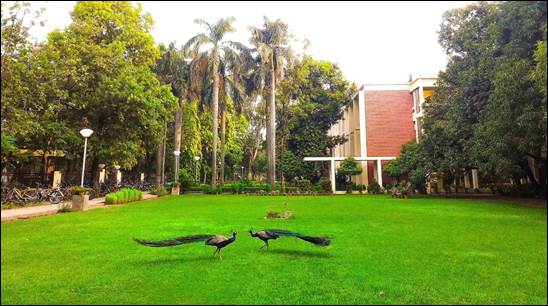
A look right between the eyes…
Hall-II, Piyush Patel, 2019
674
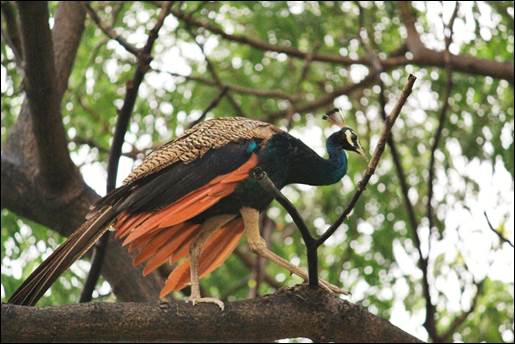
A brighter shade of orange. Picture: Mohd. Saad, Hall-I, 2024.
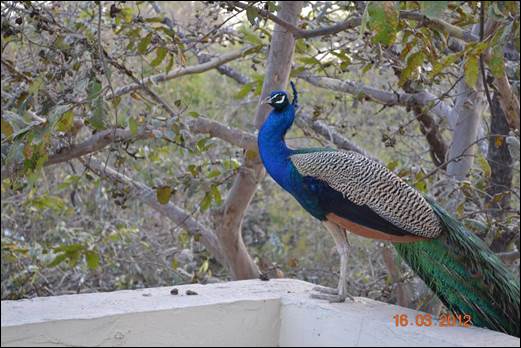
The proud monarch. Picture: Pranay Mehta, Hall-II roof, 2012
675
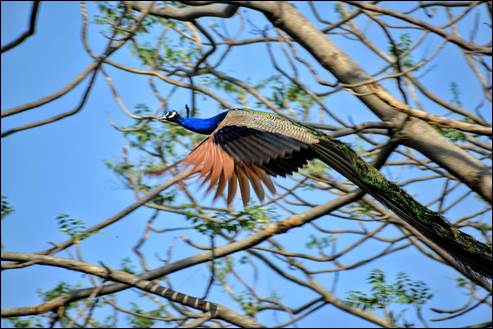
Ready for take-off. Picture: Krishnendu Paul, IITK Airstrip, 2019
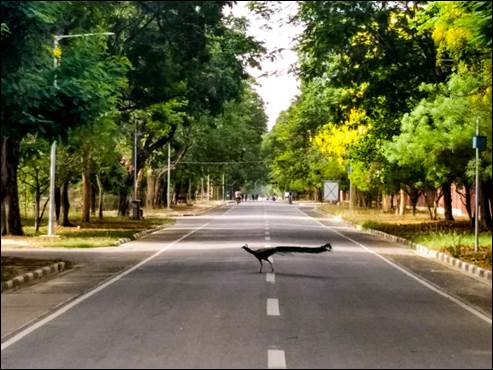
Pedestrian Crossing. Picture: Aditya Raghav Trivedi, IITK Main Drive, 2019
676
Nature Possessed…
Two images from those who were lucky enough to capture a male in full courtship display
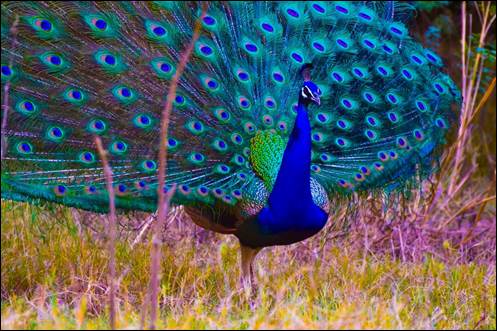
Picture: Praveen Kulshreshtha, Dept. of Economics, May 2018
Picture: Navpreet Singh (Chief Engineer, IITK Computer Centre), 36th Street, May 2020
677
Peacocks in my Backyard
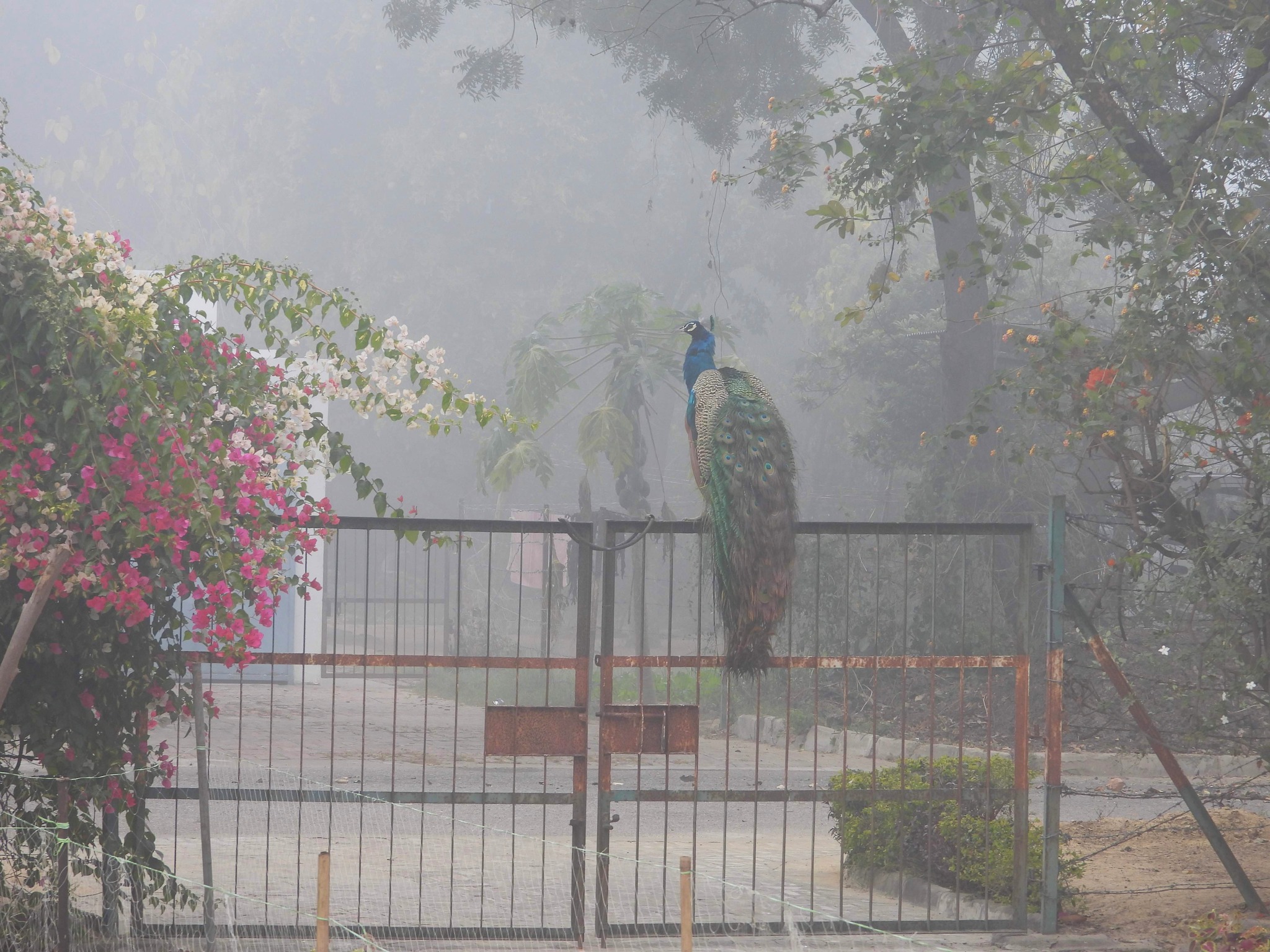
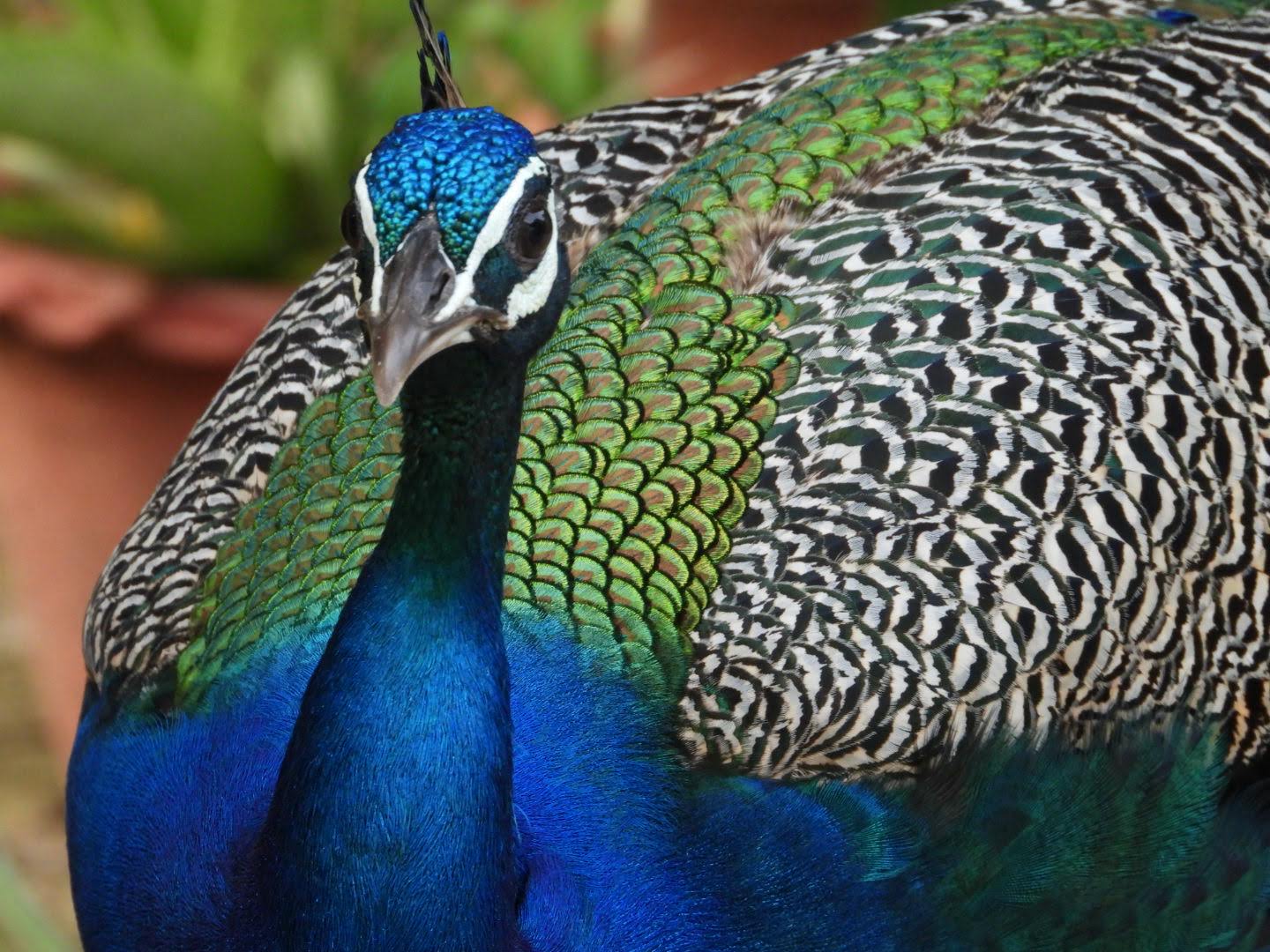
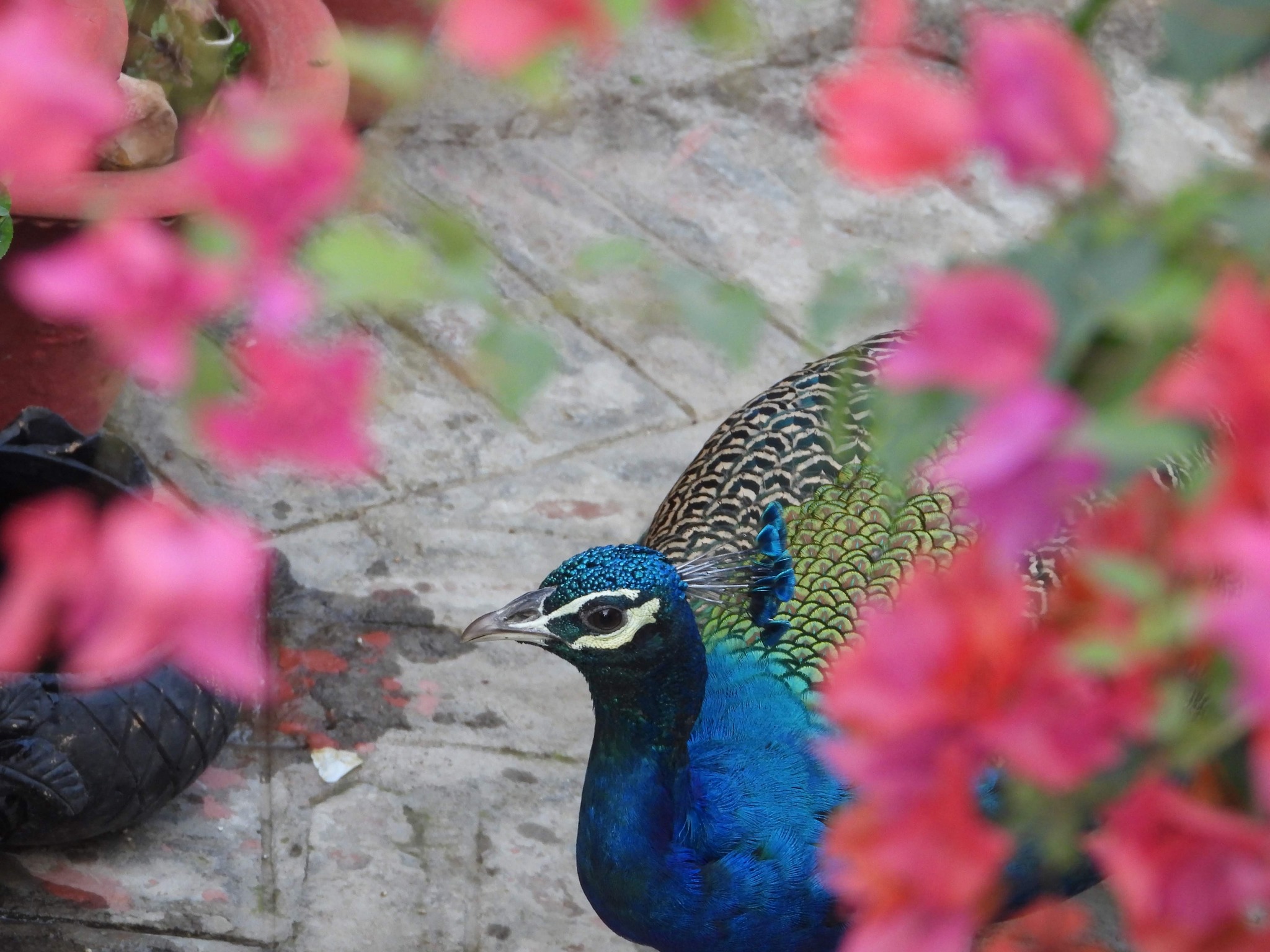
Pictures: Vangmayee Sharma (MSc-PhD, Chemistry, 2007-12), House 634, clicked 2020-23. Vangmayee grew up on the IITK campus as the daughter of Govind Sharma (BT, EE, 1974-79, later a faculty member at IITK)
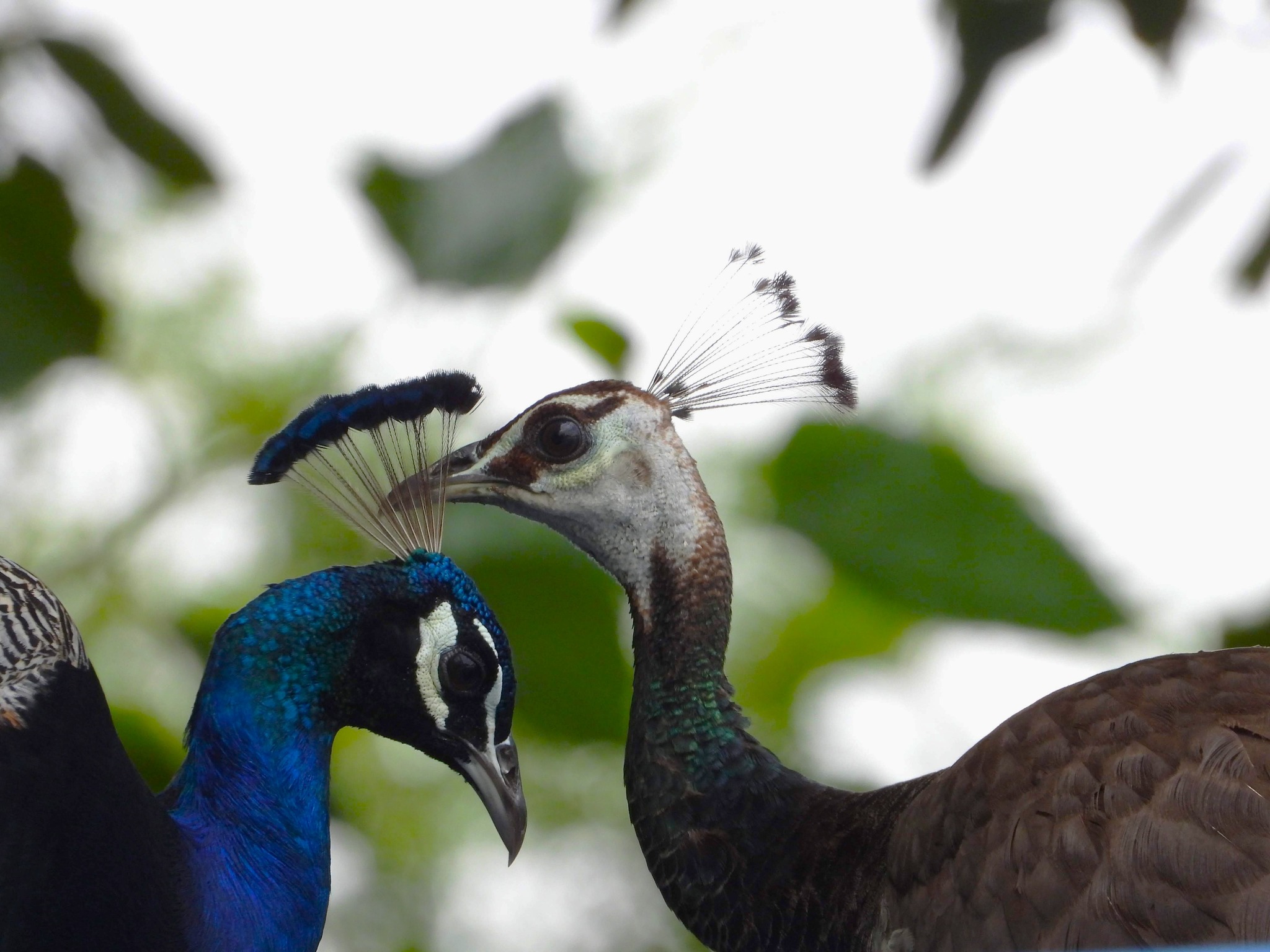
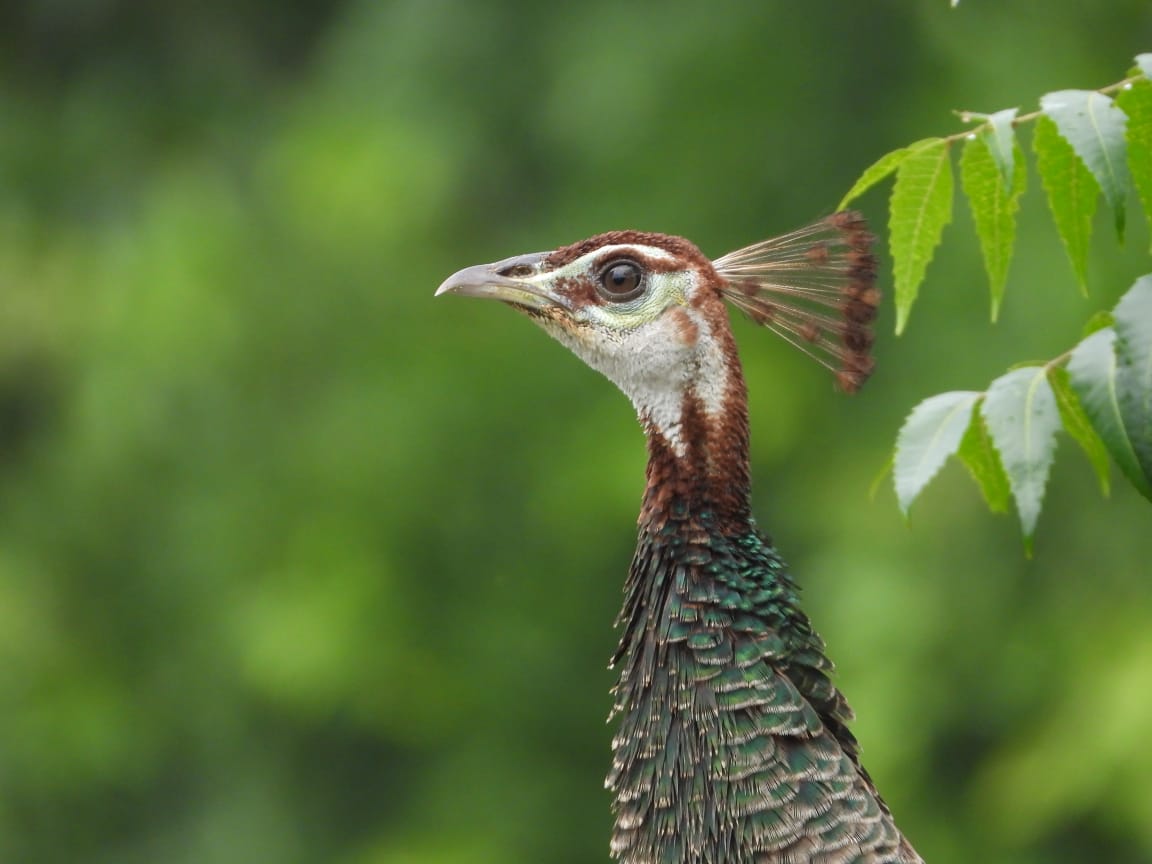
678
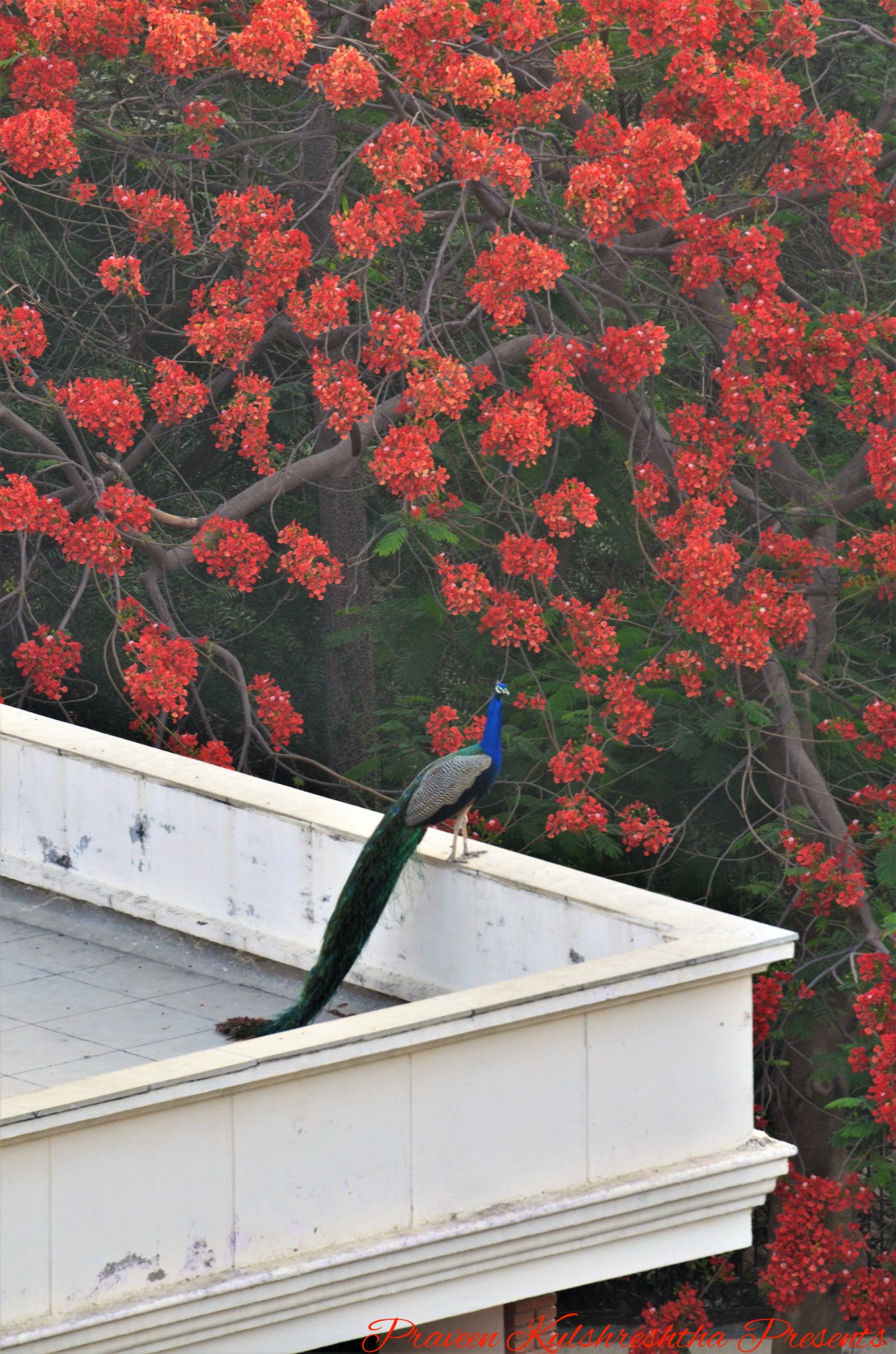
Colours of Summer. A peacock perches on the roof top of the New RA Hostel. IITK, with a Gulmohar Tree in the background. Picture: Prof Praveen Kulshreshtha (Dept of Economics), 2018.
Cover Pictures: The IITK Peacocks
Front: Krishnendu Paul, 2020
Back: Looking west from H-13, Mohd. Saad, 2024
Cover Design: Enakshi Jain (Outreach Cell, IITK)
679