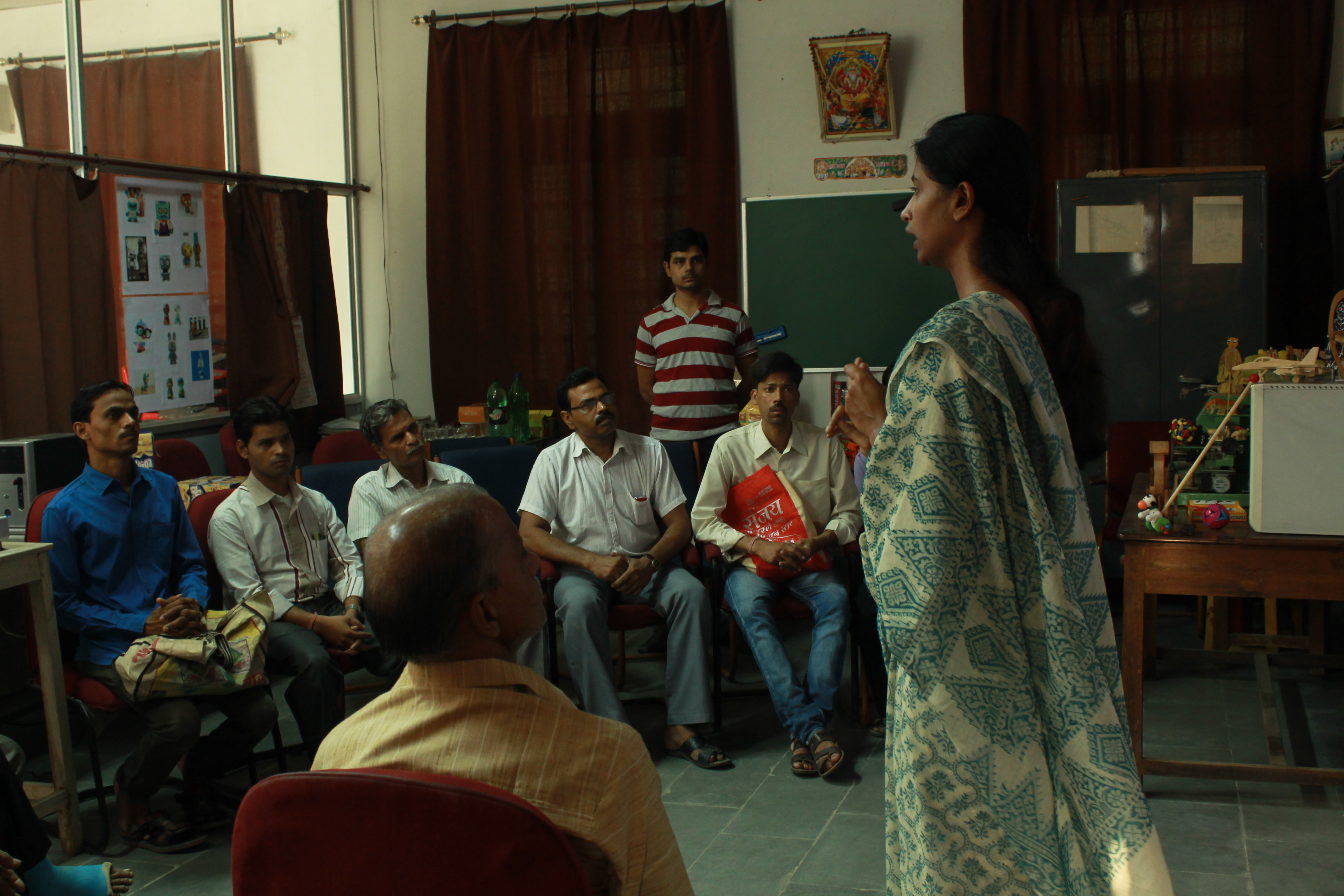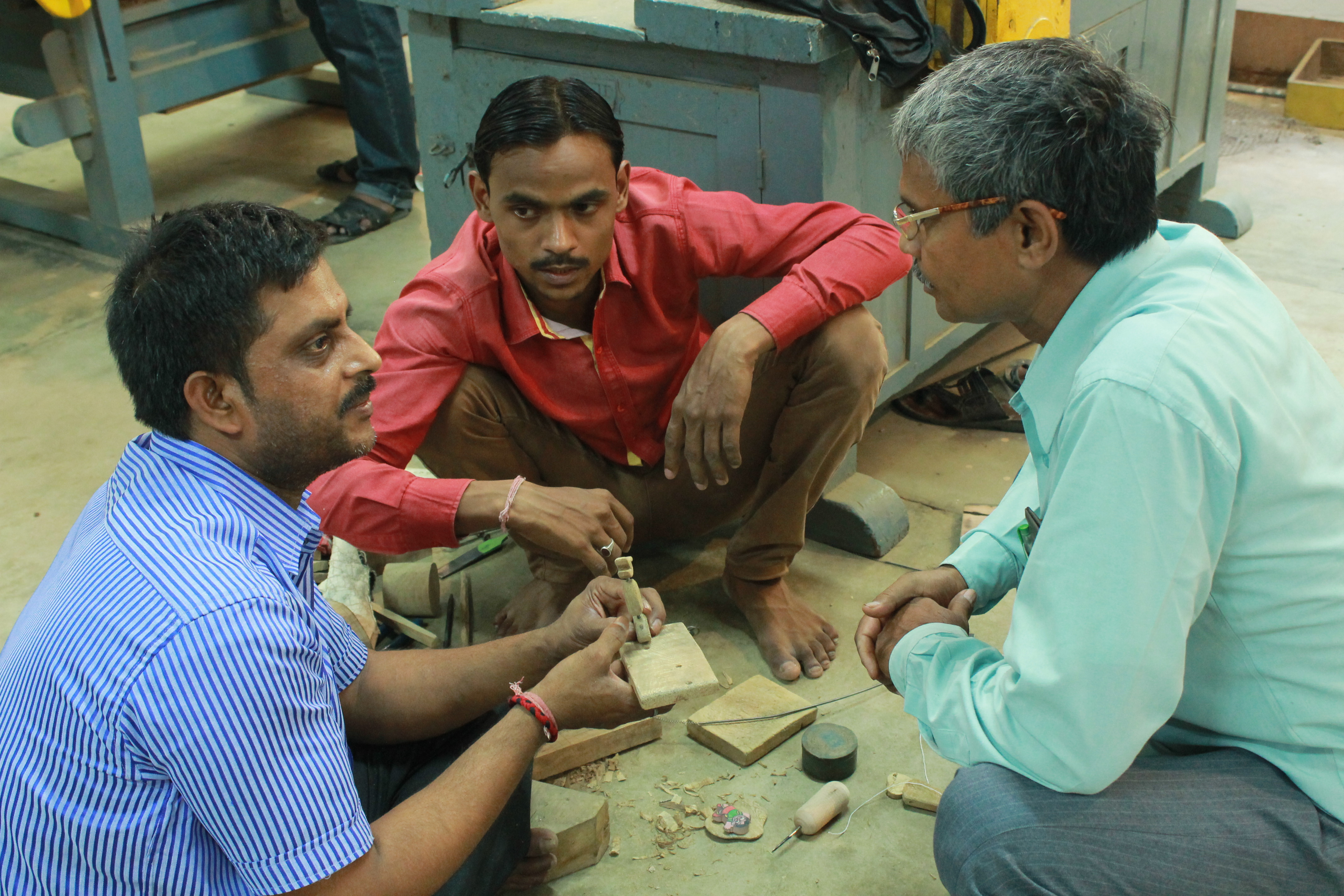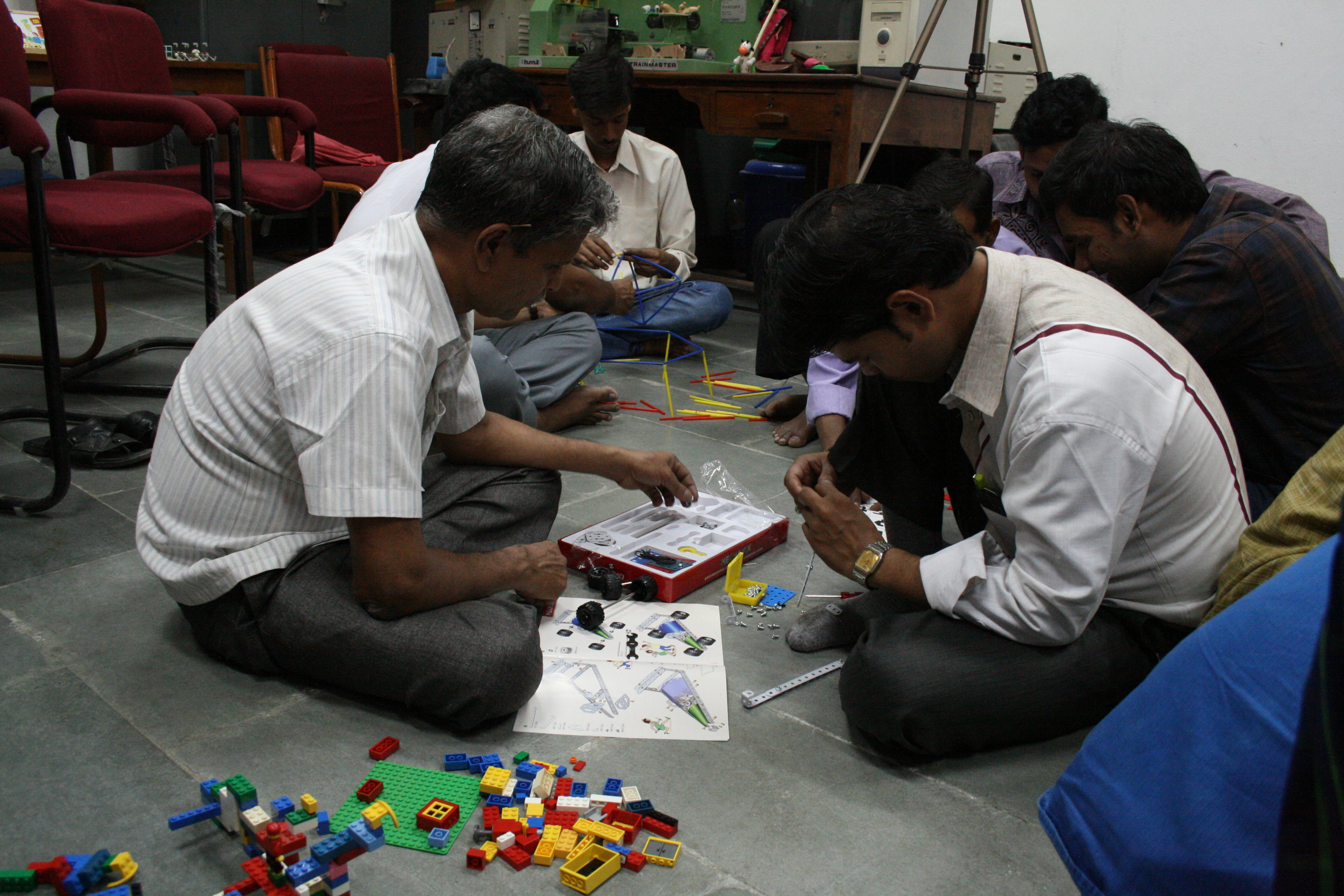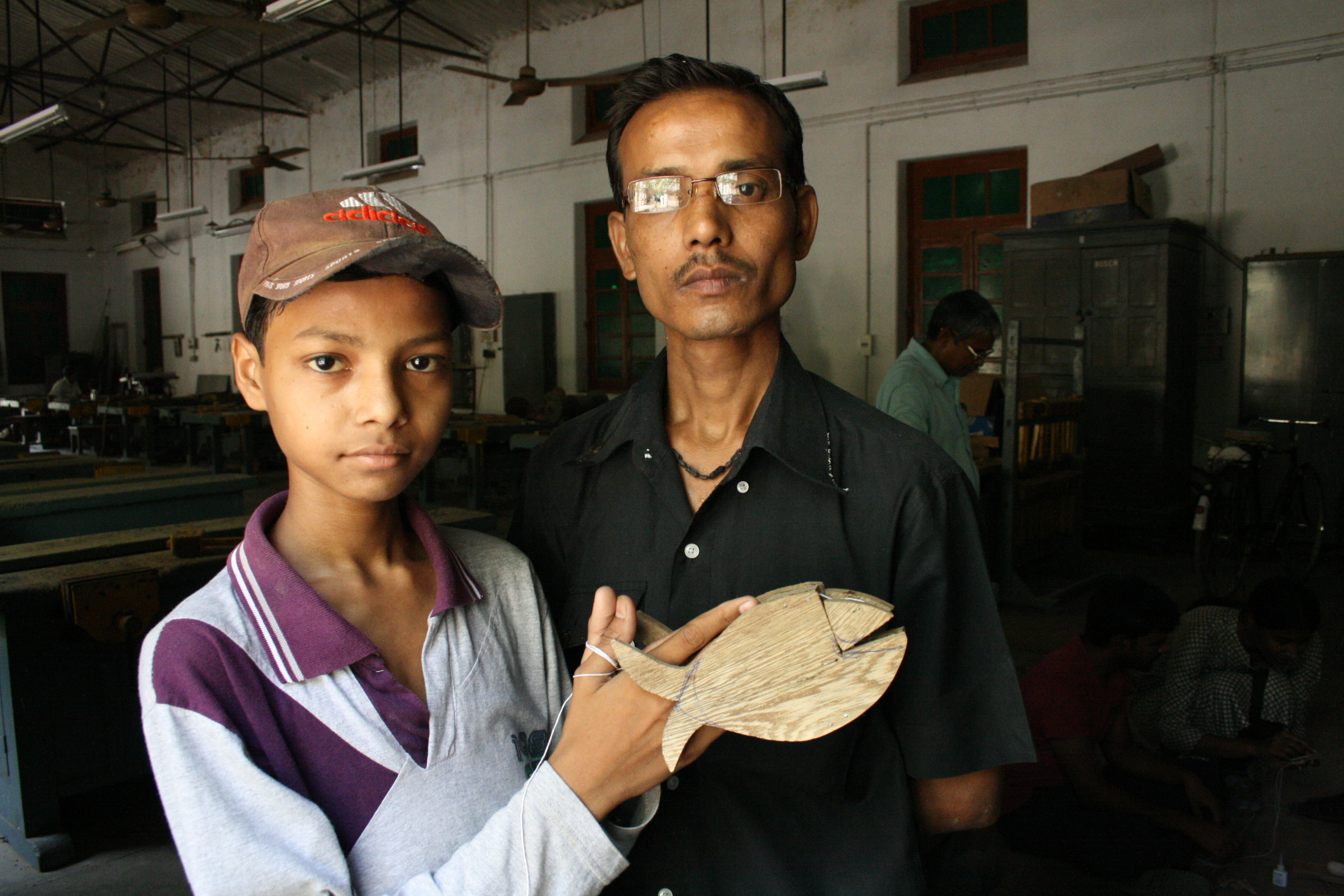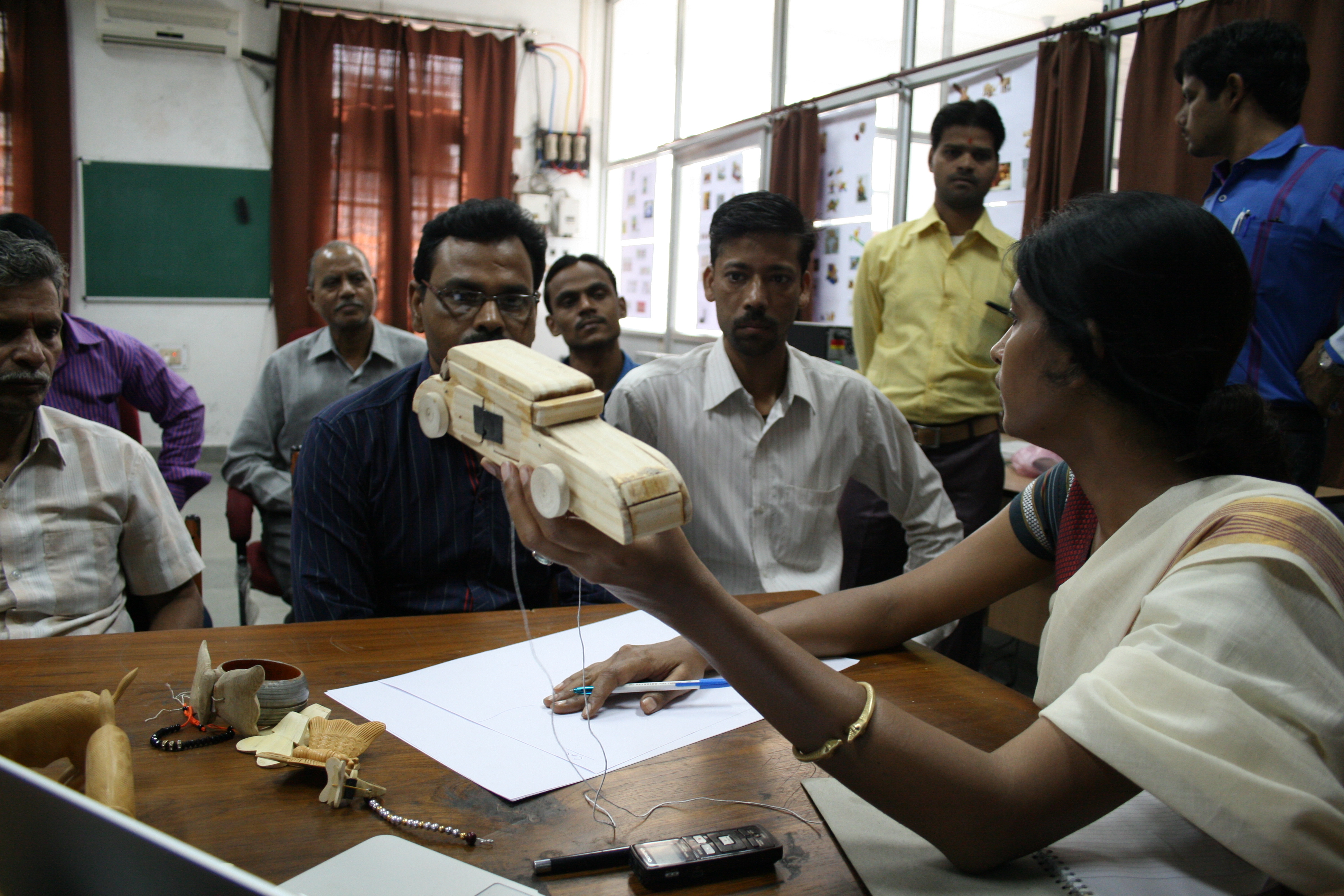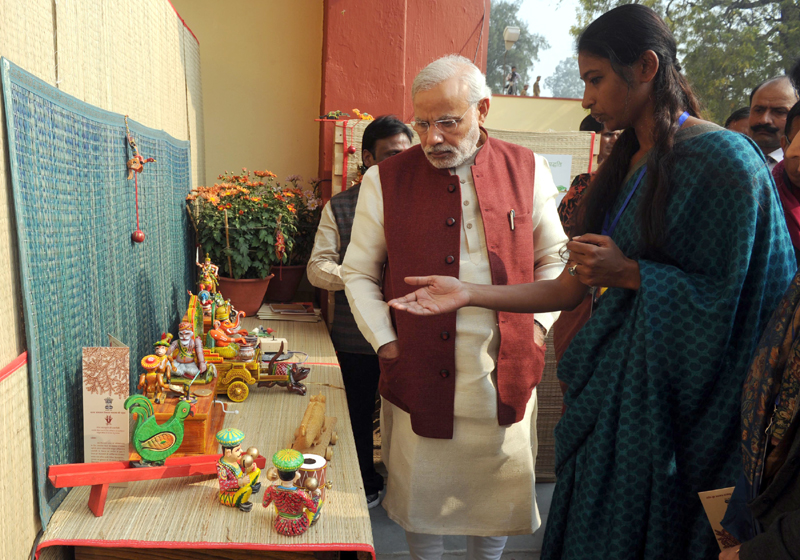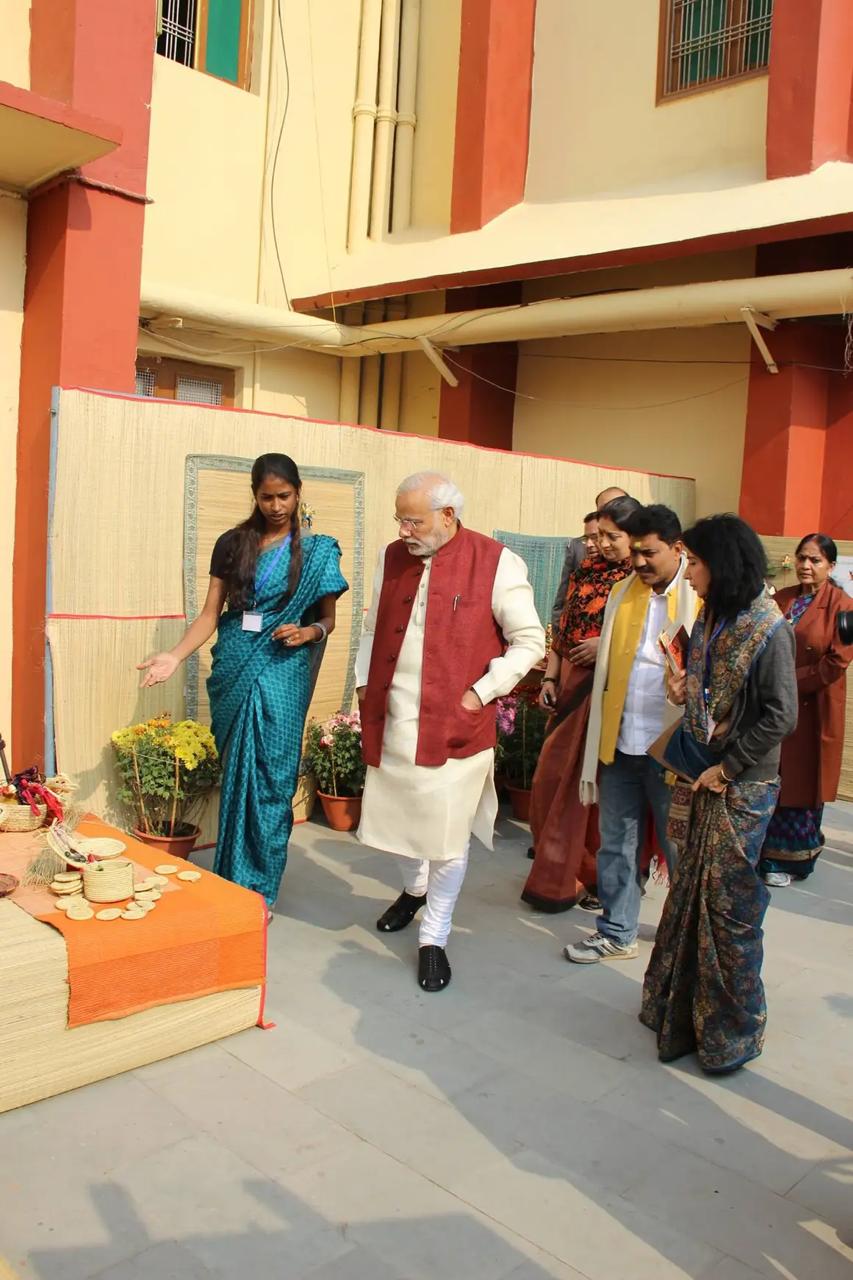
The traditional craft of toymaking in Vārāṇasī holds immense cultural and historical significance, representing a living tradition that has provided livelihoods, preserved local identity, and reinforced social bonds for generations. However, Vārāṇasī’s toymakers face numerous challenges that threaten the sustainability of their craft. Due to limited resources, capital, and access to modern tools, these artisans are unable to fully explore the potential of their creativity and meet evolving market demands. Furthermore, there is minimal institutionalized support to ensure effective skill transfer, putting the age-old master-apprentice model at risk and endangering the continuity of this traditional craftspersonship. Many past interventions have failed to create lasting impact, often addressing only isolated aspects of the craft ecosystem, such as production or marketing. Consequently, these interventions rarely encompass the holistic needs of the community. To sustain and nurture the toymaking craft of Vārāṇasī, a comprehensive support structure that integrates production, education, research, and marketing is urgently needed.
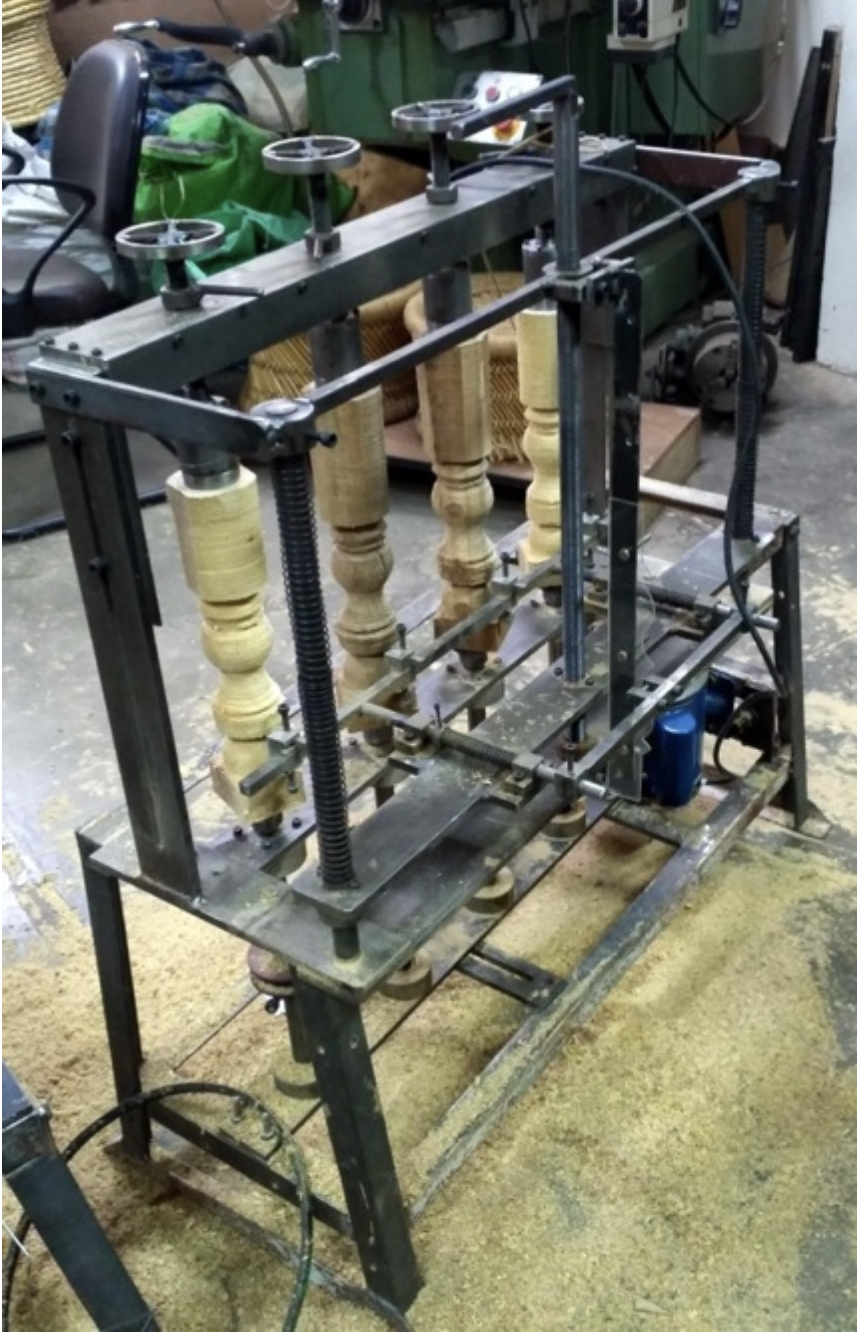
This project aims to establish a Living lab which will act as a comprehensive resource center, aligned with the production, educational, and marketing ecosystem of Vārāṇasī’s toymakers. The Lab will provide the artisans with modern tools and technology that are affordable, culturally appropriate, and accessible within the traditional Kārkhānā setting. Through this initiative, we also aim to create a replicable model that can serve as a blueprint for similar interventions in other craft communities across India. This lab will foster sustainable growth by integrating design, skill development, and marketing support into a single ecosystem, empowering artisans with the tools and knowledge they need to thrive in a competitive market.
The proposed Living Lab is designed to build a robust and resilient ecosystem for the Vārāṇasī toymakers, blending cultural heritage with innovation to support sustainable development. The Living Lab will have a transformative impact on the Vārāṇasī toymakers’ community, creating pathways for economic growth by improving production quality and expanding access to new markets. With a strong support system for skill transfer, the lab will ensure the survival of the master-apprentice model, which is essential for passing down cultural knowledge and expertise. The integration of direct-to-consumer channels will help artisans reach a broader audience, creating new revenue streams that make their craft more sustainable and profitable. The lab will also sustain the cultural heritage of Vārāṇasī’s toymaking tradition, blending modernity with tradition in a way that respects and enhances its historical significance, enhancing the agency of the toymakers in the entire process. This lab will serve as a replicable model for supporting traditional crafts, representing a tangible effort to be “vocal for local” and secure an equitable and empowering future for India’s craft heritage.
Targeted Craftspeople: Approx. 2500
Implementation Area: Vārāṇasī, India
Minimum duration for visible impact: 2.5 years (small-scale impact)
Minimum duration for visible impact: 05 years (large-scale impact)