


The School
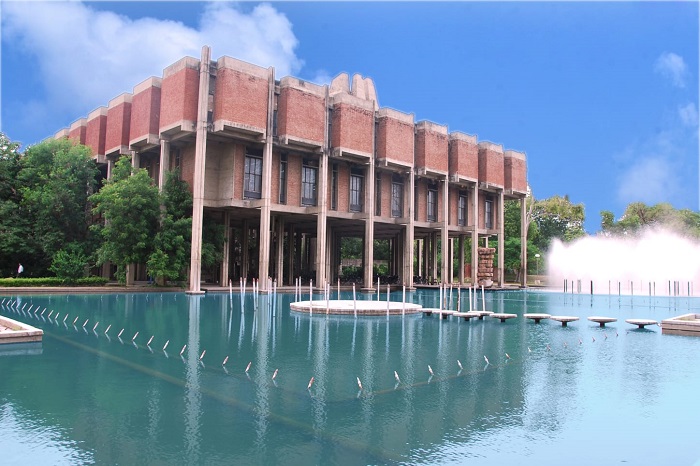
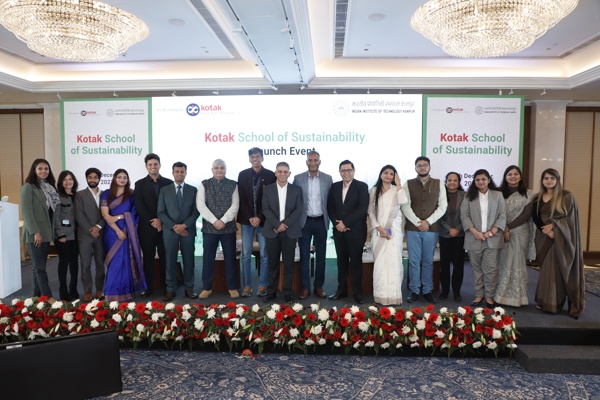
The Kotak School of Sustainability (KSS) at IIT Kanpur is a pioneering hub for research, innovation, and capacity building in sustainable development, supported by a generous endowment from the Kotak Mahindra Group. KSS integrates cutting-edge science, technology, and policy to address urgent challenges in climate change, clean energy, air quality, water security, waste management, and sustainable urbanisation. With world-class faculty, advanced laboratories, and collaborations spanning academia, industry, and government, the School is shaping solutions that create measurable impact for communities, ecosystems, and economies. Through its interdisciplinary academic programmes, translational research, and global partnerships, KSS is committed to developing leaders and technologies that will drive a just and resilient future.
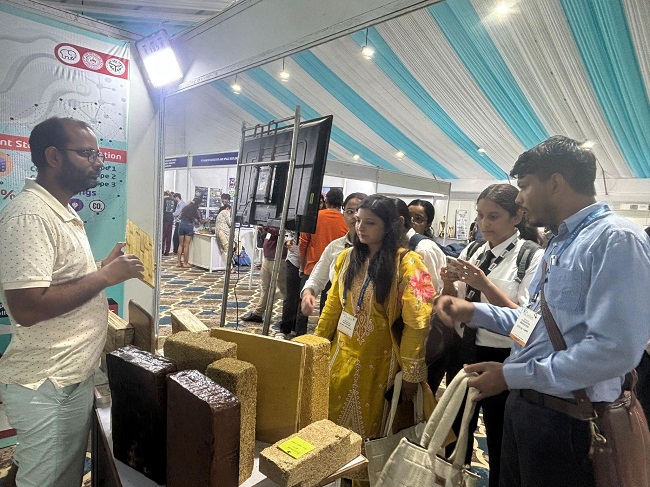
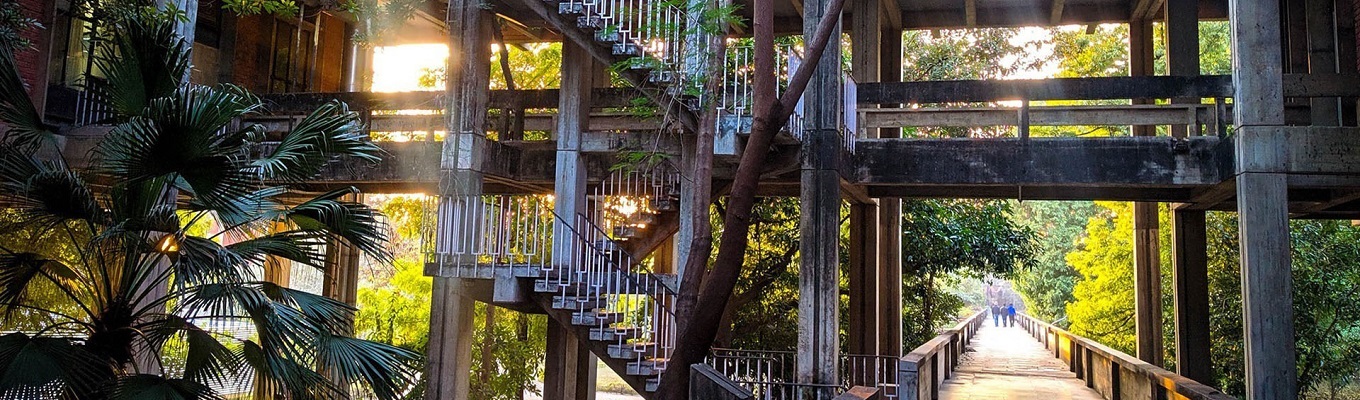
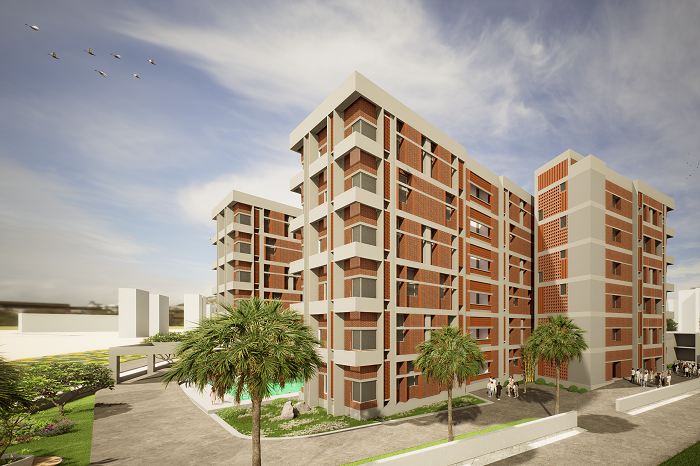
The upcoming building of Kotak School of Sustainability (KSS) Building at IIT Kanpur is envisioned as a state-of-the-art academic facility that embodies sustainability, efficiency, and modern design. Conceptualized as a LEED Platinum and Net Zero Energy building, it integrates global best practices in green construction. The building will feature sustainable raw materials such as bamboo, hempcrete, and mycelium-based composites, along with advanced insulation, energy-efficient systems, and eco-friendly refrigerants. Thoughtfully designed to harmonize with its natural surroundings, the campus will include features like restored green fields, bicycle and EV-friendly infrastructure, bamboo wood gazebos, and water conservation systems. With its focus on reducing environmental impact and creating a healthy, functional, and future-ready space, the KSS Building will serve as a model for sustainable infrastructure in higher education.
School Programs and Activities
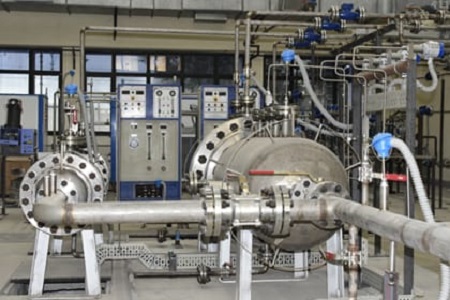
Department of Sustainable Energy Engineering
Centres for Research and Innovation
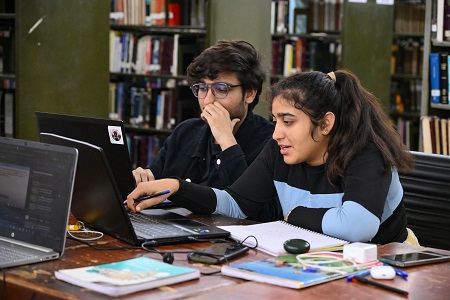
Academic Programs
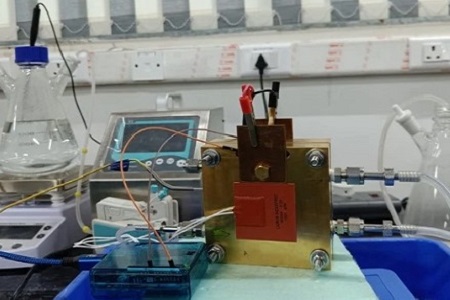
Research Frontiers
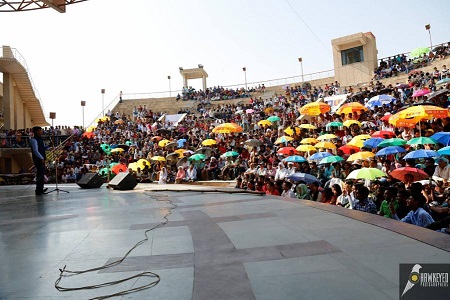
Outreach and Engagement
Research Showcase & Innovations
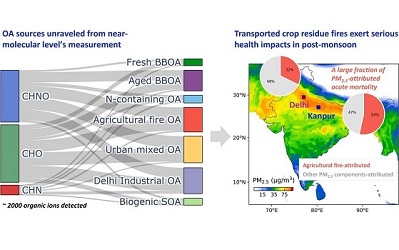
Transported smoke from crop residue burning as the major source of organic aerosol and health risks in northern Indian cities during post-monsoon
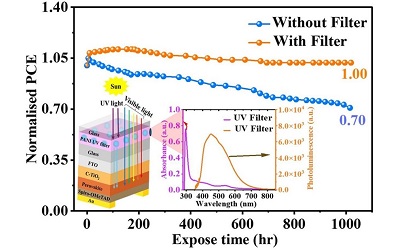
Waste-derived carbon quantum dots for improving the photostability of perovskite solar cells to > 1,000 h
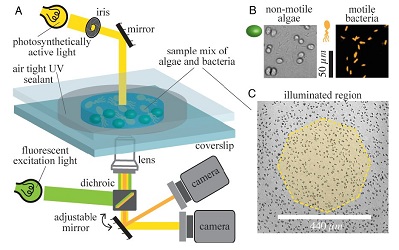
Dynamics of an algae–bacteria microcosm: Photosynthesis, chemotaxis, and expulsion in inhomogeneous active matter
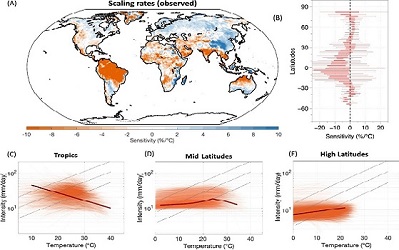
Thermodynamically inconsistent extreme precipitation sensitivities across continents driven by cloud-radiative effects
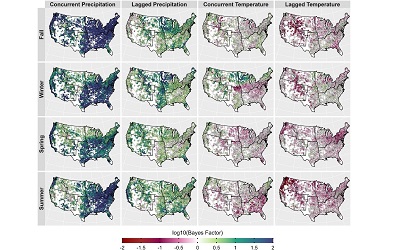
Causal Attribution of the Interannual Variability in Flood Peaks Through Bayesian Networks
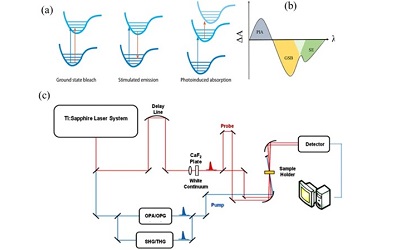
Advanced spectroscopic techniques for characterizing defects in perovskite solar cells
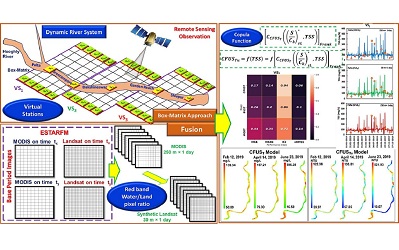
MODIS-Landsat fusion-based single-band algorithms for TSS and turbidity estimation in an urban-waste-dominated river reach
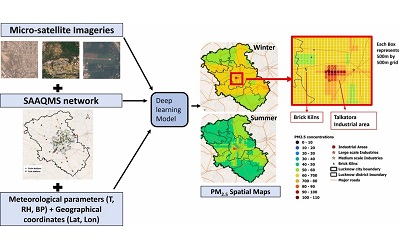
A hybrid approach for integrating micro-satellite images and sensors network-based ground measurements using deep learning for high-resolution prediction of fine particulate matter (PM2.5) over an indian city, lucknow
Impact
Impact through our Centers
Impact through Research
Impact through Academic Courses