
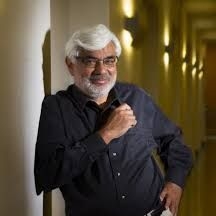
Prof. Shankar Subramaniam
(PhD/CHM/1982)
Prof. Shankar Subramaniam is one of the most renowned professors of Bioengineering, Computer Science and Engineering, Cellular and Molecular Medicine and Nano Engineering. He has conducted exceptional research in bioinformatics, computational systems biology and medicine. He has also played a pivotal role in promoting research and training in bioinformatics at national and international level by serving on several state advisory councils as an advisor and reviewer of the policies. His work has won him several prestigious laurels including the Genome Technology All Star Award 2002. Currently, Prof. Subramaniam is a Distinguished Professor at the University of California at San Diego. He also holds joint appointments at UCSD and the Salk Institute for Biological Studies.
Profile
Prior to joining UCSD, he worked as a Professor of Biophysics, Biochemistry, Molecular and Integrative Physiology, Chemical Engineering and Electrical and Computer Engineering at the University of Illinois at Urbana-Champaign (UIUC). He was the Director of the Bioinformatics and Computational Biology Program at the National Center for Supercomputing Applications and the Co-Director of the W.M. Keck Center for Comparative and Functional Genomics at UIUC. At the University of San Diego, he was the Founding Director of the Bioinformatics Graduate Program. In June 2010, he was named a Distinguished Scientist at the San Diego Supercomputer Center (SDSC) to assist in identifying new opportunities and solutions in bioinformatics. He also holds the Joan and Irwin Jacobs Endowed Chair in Bioengineering and Systems Biology. He is also a Guest Professor at the Center for Molecular Biology and Neuroscience at the University of Oslo in Norway and Professor at the Center for Cardiovascular Bioinformatics and Modeling at Johns Hopkins University.
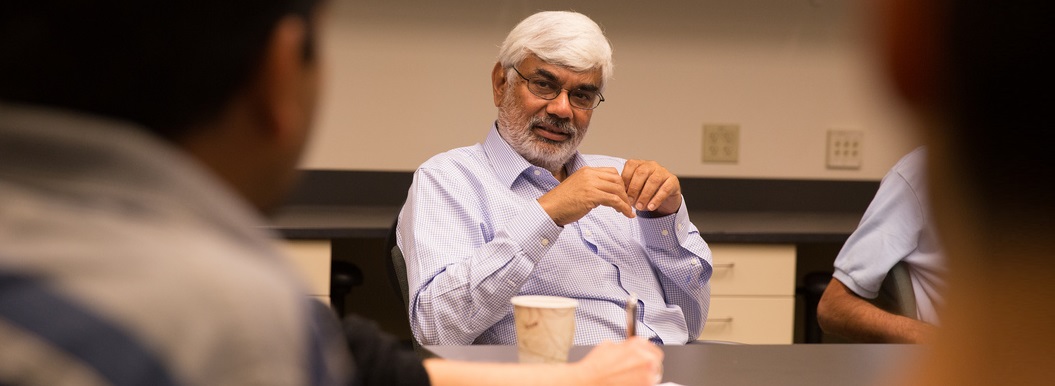
Prof. Subramaniam is a renowned developer of the Biology WorkBench, a web-based analysis environment that allows biologists to search a variety of popular protein and nucleic acid sequence databases. His work on insulin resistance, which has revealed mechanisms associated with insulin resistance, response and non-response to thiazolidinedione (TZD) drugs and identifying markers of response, has garnered significant interest in the biomedical research community. He and his team has deciphered the cellular modules involved in skeletal muscle physiology and pathophysiology which is likely to have a significant impact in understanding diseases such as Duchesne muscular dystrophy.
He has served as a member of the National Institute for Health (NIH) Director's Advisory Committee on Bioinformatics, which resulted in the Biomedical Information Science and Technology Initiative (BISTI) report. The report recognized the dire need for trained professionals in Bioinformatics and recommended the launching of a strong NIH funding initiative. He has also served as a member of the State of Illinois Governor's initiative in Biotechnology and an advisor and reviewer of the State of North Carolina's initiative in Biotechnology. He serves on the external advisory boards for several Bio/Biomedical Engineering Departments including Johns Hopkins U., Case Western Reserve U., U. Penn, Georgia Tech, Rice U. and UT Austin, as well as corporates in the biotechnology and bioinformatics industry. He is also an overseas advisor for the Department of Biotechnology of the Government of India, and a member of a European Science Foundation Panel.
Achievements and Honors
- Recipient of Distinguished Alumnus Award, 2019 from IIT Kanpur.
- Fellow of AAAS, 2013.
- Faculty Excellence in Research' Award at the University of California at San Diego, 2008
- Genome Technology All Star Award, 2002