
The Mehta Family Centre for Engineering in Medicine

Indian Institute of Technology Kanpur

Slide background
Slide background
Slide background
Slide background
Slide background
Slide background
Slide background
Slide background
Slide background
Slide background
Slide background
Slide background
Slide background
Slide background
Slide background
Slide background
Slide background

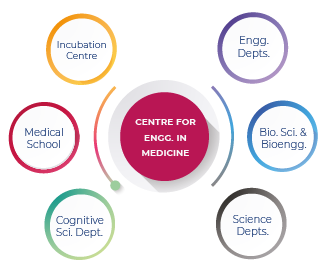
MFCEM@IITK

The next generation of healthcare innovation lies at the interface of multiple disciplines involving engineering and medicine. The Mehta Family Centre for Engineering in Medicine at IIT Kanpur strives to act as a catalyst for biomedical researchers and engineers to work together on challenging medical problems.

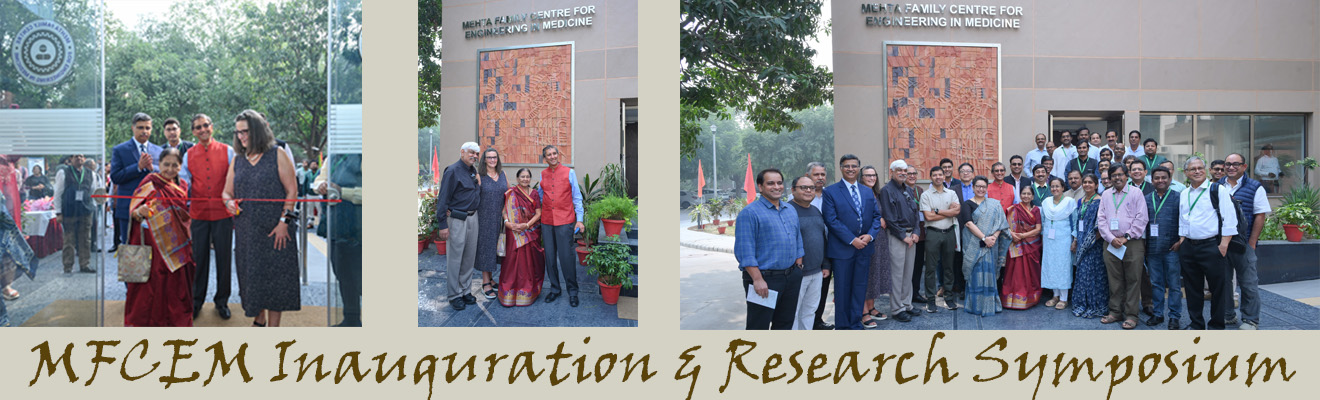
MFCEM Building
Foundation Day Celebration at IITK
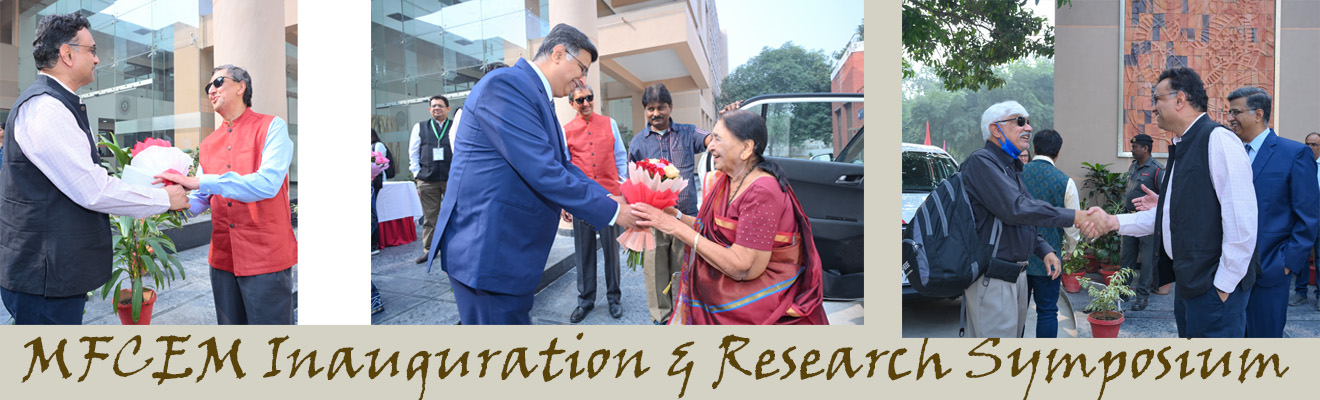
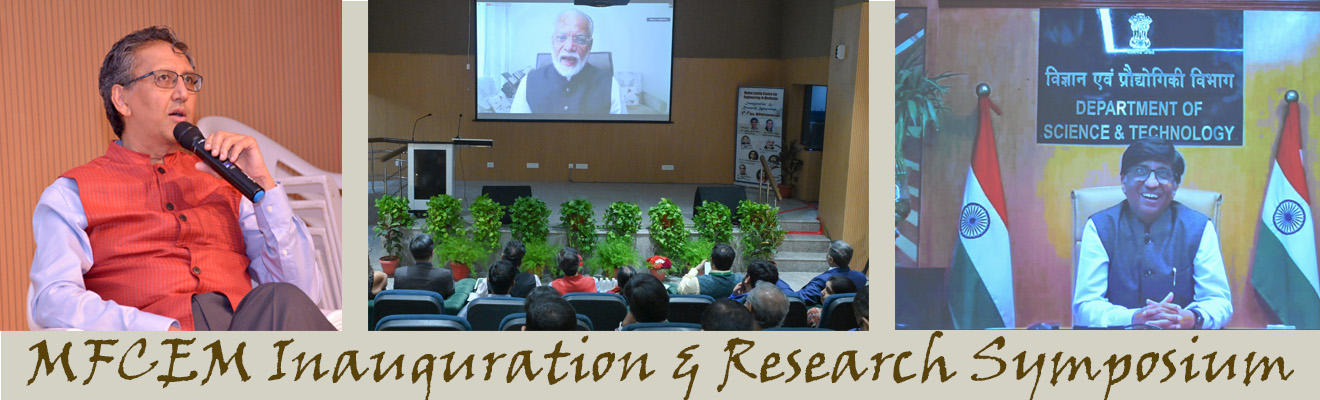
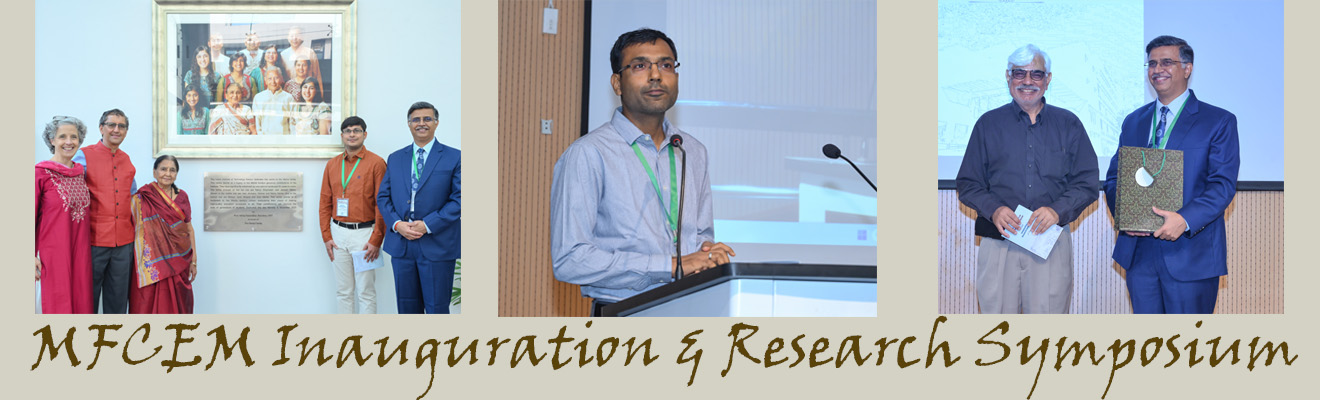
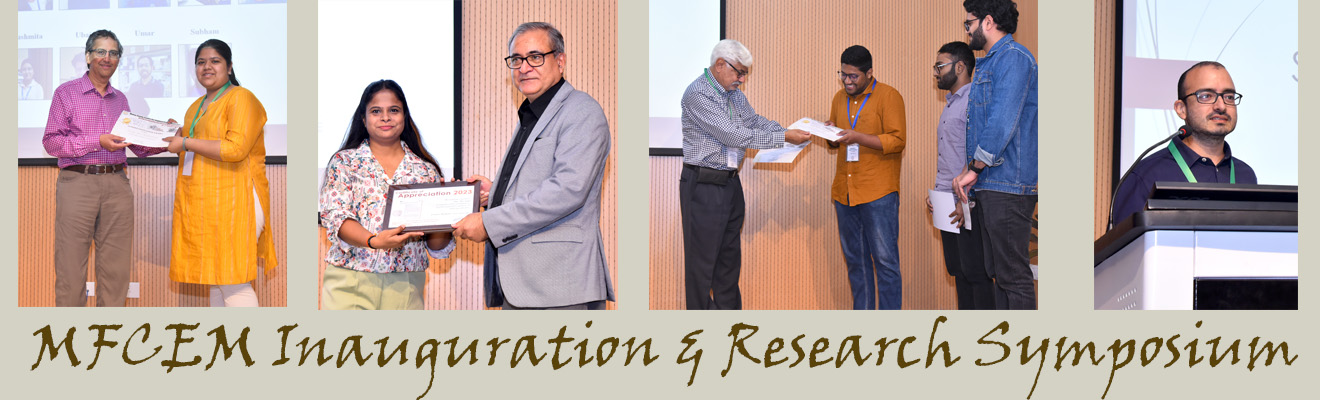
Inauguration of the Mehta Family Centre for Engineering in Medicine
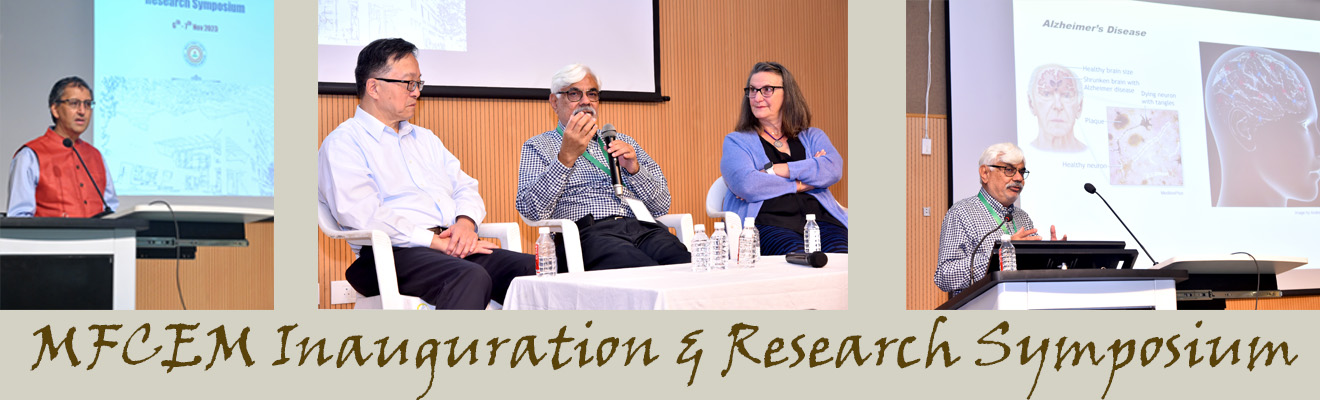
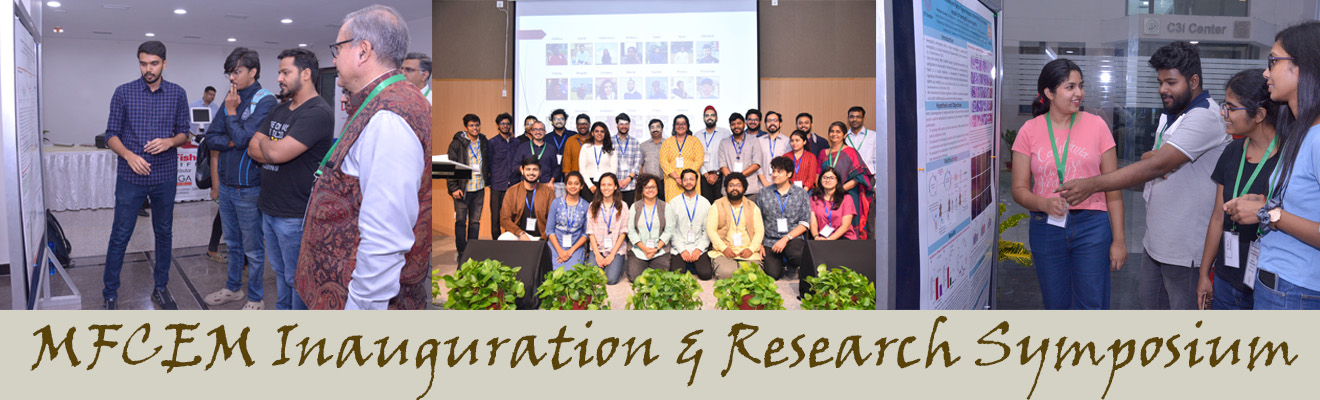
MFCEM Inaugural Research Symposium: Session1- Molecular Medicine
MFCEM Inaugural and Research Sympoisum: Quiz Bowl
MFCEM inauguration and research symposium: Session on Regenerative Medicine
MFCEM inaugural and research symposium
MFCEM Inaugural and Research Symposium: Felicitation and Concluding session
MFCEM inauguration and research symposium: session on Digital Medicine
In conversation with First Author, Shreya Ghosh

On her recent publication

Amyloid deposition in granuloma of tuberculosis patients: A single-center pilot study. Ghosh S, Kala C, Garg A, Thakur AK. Tuberculosis (Edinb). 2022 Sep;136:102249.

MFCEM: Shreya congratulations on your publication! India, unfortunately, still contributes to a major chunk of Tuberculosis cases worldwide. Does your study on the formation Amyloid deposits in frequently occurring granulomas in TB patients, encourage the medical community to think of alternate or additional therapeutic strategies for TB?

Shreya Ghosh: Thank you so much for your appreciation. Protein misfolding is accompanied by the formation of insoluble protein-derived fibrillar deposits termed as amyloid fibrils. The linkage between tuberculosis and SAA-driven amyloid formation is well documented. However, SAA-derived amyloid onset and deposition start sites are not well understood in tuberculosis. In this study, for the first time, we have identified granuloma as the amyloid deposition site in TB patients. The findings of our study might set a stage for clinicians to diagnose the progression of amyloid formation in the early stages of tuberculosis. In addition, this work would encourage the medical community to devise therapeutic strategies to prevent the amyloid formation in TB patients. However, this study reflects preliminary findings on a limited number of samples and needs to be validated in a large number of patients to implement those therapeutic strategies.
MFCEM: Would it be right to assume that amyloid formations could be used as a marker for the progression of the disease. If yes could you elaborate?

Shreya Ghosh: Our paper does not directly deal with this aspect. However, I think that it is a realistic possibility. Previous studies identified amyloid formation in TB patients several years after its onset. We captured such amyloid formation in early-staged TB patients. Future studies should foretell if there is any correlation between the progress of amyloid formation and tuberculosis.

MFCEM: I understand that this study was a collaborative effort by IIT Kanpur and the GSVM Medical College, Kanpur. How critical was this collaboration? Also do you envisage a possibility of a clinical translation of the study in the near future?

Shreya Ghosh: This paper made us believe in Alexandar Graham Bell: “Great discoveries and improvements invariably involve the cooperation of many minds”. This work would not have been possible without collaboration. Initially, Professor Ashwani and I spent a lot of time convincing the clinicians and patients to obtain the biopsy specimens for our research. Finally, we could collaborate with GSVM Medical College, Kanpur. Dr. Chayanika Kala’s active participation helped us a lot to conduct our study successfully.
Yes, of course. I genuinely believe that identifying amyloids in the early stages of TB patients has a high potential to be clinically translated. However, a huge effort involving multi-centers is needed to accomplish it.


Systems Medicine

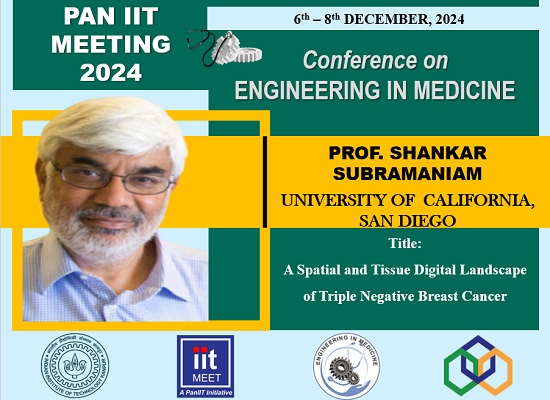
Lectures by Prof Shankar Subramaniam, UCSD & International Advisor, MFCEM, IIT Kanpur

Multi-omics and multi-model measurements have revolutionized our understanding of human physiology. The looming challenge, however, is converting the burgeoning data into insightful predictions and mechanistic models. The multiscale models would facilitate the "engineering" concepts of human cells, tissues and organs. This series of lectures aims to 1. Present the basic concepts of biology/physiology, 2. Delve into phenotypes, 3. Explore the underlying molecular and cellular underpinnings of working of cells, tissues and organs, and 4. Illustrate the use of omics data and its analysis.
Link- https://genome.ucsd.edu/index.php/systems-medicine-lectures/


Introduction to Neurobiology

Lectures by Prof. Nitin Gupta, Lab of Neural Systems, Indian Institute of Technology Kanpur

The lectures cover a wide range of topics in Neurobiology, starting with a historical and evolutionary perspective to Neurobiology; to introduction to the diverse neuronal cell types, sensory systems and the simple circuits that constitute neural networks. Through these lectures one is introduced to the chemical and electrical natures of synapses, and to different concepts such as capacitance, membrane potential and active conductance of neurons. The lectures also delve into different neuronal systems, such as of olfaction and of holistic visual perception.
Link- https://www.youtube.com/playlist?list=PLs6UM3rH5tQwuhURavq5o4CGtAdGYnqZ4


Human Molecular Genetics

Lectures by Prof S. Ganesh, Human Molecular Genetics Laboratory, Indian Institute of Technology Kanpur

Through these series of lectures on human molecular genetics one would gain an understanding of the fundamental principles of genetics and its applications in uncovering the genetic basis of human diseases. These lectures cover a wide range of topics, such as, 1) The Central Dogma of Molecular Biology 2) Mendelian laws 3) Pedigree Analysis 4) Chromosome structure and function 5) Genetic Engineering Techniques 6) Animal models of human diseases and 7) Human Genome and HapMap project, among others.
Link- https://www.youtube.com/watch?v=_ZIYtps-jow&&list=PLoNoar1DlEikt8SLTQ2CZue3kvE5DgRR1

Cell and Molecular Biology

Lectures by Prof Amitabha Bandyopadhyay, Indian Institute of Technology Kanpur

This lecture series on Cell and Molecular Biology provides a comprehensive introduction to various aspects of cellular processes and the molecular players orchestrating these processes. A plethora of topics namely 1) Genes, mutants, genotypes and phenotypes 2) Genetic screens, temperature sensitive mutants 3) Recombinant technologies including Mouse Gene Knockout technology 4) Translation and post-translation regulation 5) Intra-cellular trafficking and secretion of proteins, Work of Gunter Blobel - identification of SRP, SRP receptor, and 6) Protein conducting channel and work of Randy Schekman in identification of Sec mutants etc will be discussed.
Link- https://www.youtube.com/channel/UC429KQKPhYCcVfooCQ9ObrA/videos

Functional Genomics

Lectures by Prof S. Ganesh, Human Molecular Genetics Laboratory, Indian Institute of Technology Kanpur

High throughput DNA sequencing technologies have led to availability of the complete genome sequences of many organisms. Identification of functional components of the genome—be the genes, their regulatory regions or the non-coding part of the genome however remains a great challenge. The emerging field of "Functional Genomics" aims to develop and promote high throughput and large scale approaches to functionally annotate the genomes and uncover the genetic networks that regulate their functions. These lectures provide a comprehensive overview of the concept of Functional Genomics and contemporary approaches used to understand the genome function.
Link- http://www.infocobuild.com/education/audio-video-courses/biology/FunctionalGenomics-IIT-Kanpur/lecture-01.html

In conversation with

Kushagra Pandey

on his recent study:

Pandey K, Zafar H. Inference of cell state transitions and cell fate plasticity from single-cell with MARGARET. Nucleic Acids Research, 25 may, 2022

MFCEM: Congratulations to you Kushagra, and to your advisor Prof. Hamim Zafar on your recent publication. Let me start by acknowledging that single-cell-omic studies is happening in a huge way resulting in an overload of data, having said so, what “gap” did you identify that motivated you to come up with MARGARET.

Kushagra Pandey: The main computational problem that we try to tackle in this work is that of Trajectory Inference or TI where the goal is to study how certain biological processes evolve over time. For instance, consider a fundamental biological process like cell differentiation where immature cells gradually undergo cell division to form more mature cell types which are important for performing different functions in our body. Using TI to model the landscape of cell differentiation can help us in understanding why certain types of cells give rise to some other types of cells. This type of modelling becomes even more important when dealing with scenarios which hinder the normal workflow of these biological processes (like cancer). When we first started with the problem, we found that even though TI as a computational problem is well studied, existing computational methods make certain assumptions on the type of trajectory underlying these biological processes. Now, these assumptions can hold for some biological systems but not for others. This was the primary motivation behind MARGARET: To come up with a TI method that does not make any assumptions about the underlying trajectory and can generalize to different biological processes.

MMFCEM: What was the most challenging part of developing MARGARET?

Kushagra Pandey: In the development of any computational method there are usually two stages involved in development: method design and experimental justification. Interestingly, I feel the method design was not very challenging since we had some clarity on the abstract design framework from the very beginning. However, since MARGARET is a computational tool to be used by biologists, we wanted to see if we can indeed recover correct biological insights from different biological systems which the end-users might ultimately care about. Therefore, we undertook validation case studies in this work involving well-studied biological processes like hematopoiesis (the process of blood formation) and we found that the insights we obtained by applying our method to these biological processes well conformed with the experimental findings in the existing literature. I feel this part was the most challenging during the development phase since we had to perform an extensive literature survey in each of the case studies to justify our findings. However, I have to admit it was also the most fun part since you are effectively finding out novel biological insights directly from single-cell data.

MFCEM: Could you share with us one feature of the platform that you have developed that is a game changer? Will we see the diversifying further in the near future?

Kushagra Pandey: Without going into too much method details, MARGARET kind of provides a playground for interactively visualizing single-cell datasets at the cell-level and also at the cluster-level. So any user can get started with exploring the dataset by projecting gene or transcription factor expressions on the visualized graph to get important biological insights from the dataset which I think is important. We are also planning to work on extending MARGARET to gain insights from different multi-omic views (like scRNA-seq, CITE-seq etc.) of the same biological process collectively. We believe this would improve our method when dealing with complex biological processes like cell differentiation in cancer tissues etc.

Multiple network properties overcome random connectivity to enable stereotypic sensory responses.

Mittal AM, Gupta D, Singh A, Lin AC, Gupta N.

Nature communications. 2020 Feb 24;11(1):1-5.

Do different individuals perceive the same thing the same way—this seemingly intractable question continues to remain largely unresolved. Prof. Nitin Gupta and team set out to look for answers using the insect olfactory system.

It is known that connections between neuronal populations may be genetically hardwired, or these could be random. For instance, in the insect olfactory system, projection neurons of the antennal lobe connect randomly to Kenyon cells of the mushroom body. Intriguingly, while the odor responses of the projection neurons are stereotyped across individuals, the responses of the Kenyon cells are variable. Despite this, strikingly, downstream of Kenyon cells, mushroom body output neurons once again display stereotypy in their responses.

Prof Nitin Gupta and team, uncovered that stereotypy in the output neurons is enabled by the convergence of inputs from many Kenyon cells onto a single output neuron, and did not require learning. The stereotypy thus emerges in the total response of the Kenyon cell population using multiple odor-specific features of the projection neuron responses, benefits from the nonlinearity in the transfer function, depends on the convergence:randomness ratio, and is constrained by sparseness.

The Bhupat & Jyoti Mehta Family Foundation

MFCEM at the Indian Institute of Technology Kanpur is generously supported by the Mehta Family Foundation.

Visit Website... About Rahul Mehta...