


Digital Medicine
Digital Medicine
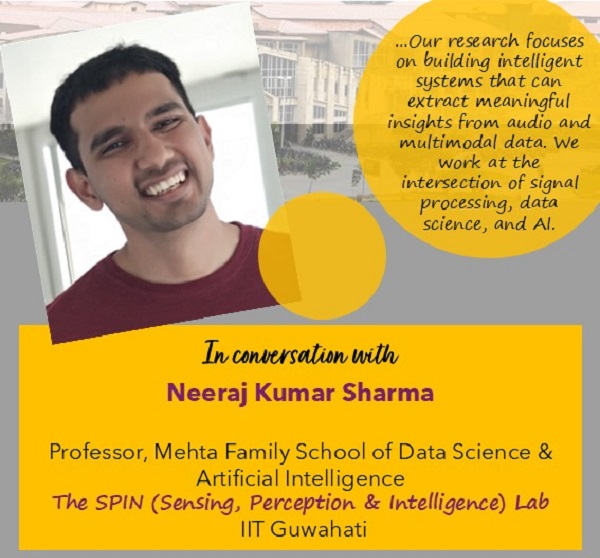
In conversation with
Prof. Neeraj Kumar Sharma,
Professor, Mehta Family School of Data Science & Artificial Intelligence
The SPIN (Sensing, Perception & Intelligence) Lab
IIT Guwahati
MFCEM, IIT Kanpur: Hello Prof. Sharma, it is great to connect and get familiar with your work. Your SPIN (Sensing Perception & Intelligence) lab is carrying out some fantastic work on sound and perception. What attracted you to this domain of research, could you broadly touch upon some of the ongoing work in your lab?

In conversation with
Dr. Nikunj Arunkumar Bhagat
Assistant Professor
Department of Electrical Engineering,
Department of Biological Sciences and Biosciences,
and Mehta Family Centre for Engineering in Medicine.
MFCEM: Dr Bhagat, it is great to have you at IIT Kanpur. Your research straddles two disparate fields of Electrical engineering and Biomedical science. Having done a BTech and MTech in electrical engineering what drew you to apply your training to Biological/Medical problems?

Mental health issues such as depression remain inadequately addressed particularly in low- and middle-income countries (LMICs). In a collaborative study, Prof. Nitin Gupta and team have developed a new Unguided Computerized Cognitive Behavioral Therapy (cCBT)-based intervention: TreadWill; its use significantly reduces anxiety and depression in users. TreadWill holds great promise as an easy to use and an accessible intervention technology.
https://pubmed.ncbi.nlm.nih.gov/37099376/
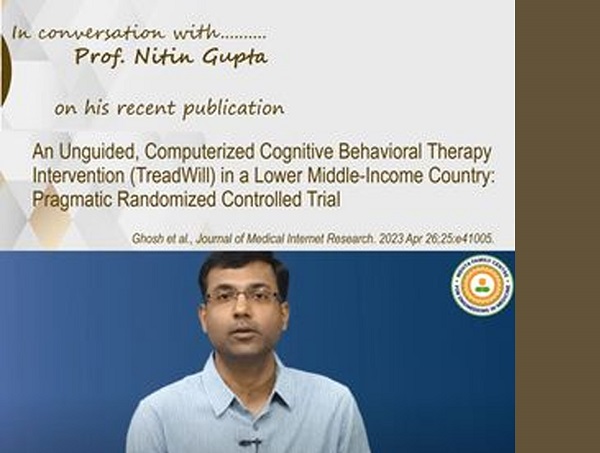
Prof Nitin Gupta talks about his recent published study on developing a new unguided Computerized Cognitive Behavioral Therapy (cCBT)-based intervention: TreadWill; and how its use significantly reduces anxiety and depression in users. The study was published in J Med Internet Res, April 26 2023.
https://www.youtube.com/watch?v=kD0-amDM3JQ
Overview
Increased penetration of internet and mobile technologies, along with advances in AI and modelling, present opportunities for a new paradigm in medicine: software is poised to take the role of a doctor in diagnosing the disorders; of a therapeutic aid or even therapy itself in the case of psychiatric problems; and of a powerful research tool in discovering new medicines. IIT Kanpur has strengths in these different domains of digital medicine.
Translational Value
Psychiatric and neurological disorders are among the largest but least addressed sources of disability in all countries. Depression alone affects 300 million people globally. The digital tools for psychiatry are readily translatable given the high penetration of internet-enabled mobile devices. TreadWill, developed at BSBE as an intervention for depressive symptoms, is currently undergoing a double-blind randomized controlled trial in human patients after clearance from the Institute Ethics Committee and registration at the NIH’s clinicaltrial.gov portal (https://clinicaltrials.gov/ct2/show/NCT03445598). It has already achieved the target of 600 study participants, and the results are expected to be out in late 2019. If the results show reduction in depression scores post-intervention, the tool can be released for public usage. Subsequent digital therapeutic and diagnostic tools developed at the center will also be rigorously tested and then released widely.
Future Plan/Grand Challenge
Digital technologies are powered by data. While the growing population of India (poised to become the largest in the world by 2024) and the wide range of socio-economic strata present a massive healthcare challenge, they also present a unique opportunity in terms of the amount of data generated that can be used for the development of the digital medicine approaches. Despite the huge burden posed by psychiatric problems, the treatment approaches for most brain disorders are outdated and ineffective. With increasingly stressful lifestyles, there is a pressing need to develop new forms of therapies, and to do this effectively we need to bring in artificial intelligence and cognitive science into the fold of brain therapeutics. The challenge that we would like to address is whether we can harness these technologies to develop new and effective digital interventions for various psychiatric disorders, including anxiety, obsessive compulsive disorder, borderline personality disorder, and addiction? Similarly, can we develop automated diagnostic tools using various kinds of medical images and real time monitoring of patient information using mobile devices? These digital technologies have the potential to democratize healthcare in India and other developing countries by addressing the shortage of doctors and medicines with high scalability and low costs. IIT Kanpur, with its strong roots in computing and engineering, and strong programs in BSBE and cognitive science, is in an ideal position to develop the next generation of digital medicine tools.
Molecular Medicine and Engineering
Molecular Medicine and Engineering
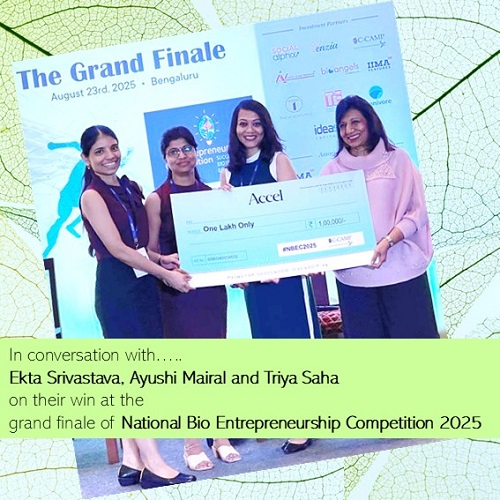
In conversation with Ekta Srivastava, Ayushi Mairal and Triya Saha on their win at the grand finale of National Bio Entrepreneurship Competition 2025
Read More
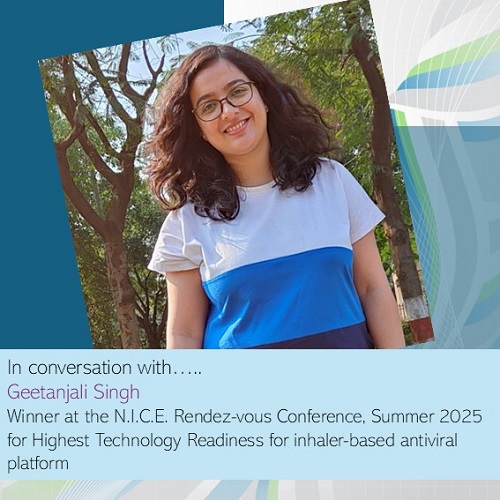
In conversation with Geetanjali Singh, Winner: Highest Technology Readiness Level N.I.C.E. Rendez-vous Conference, Summer 2025.
Read More
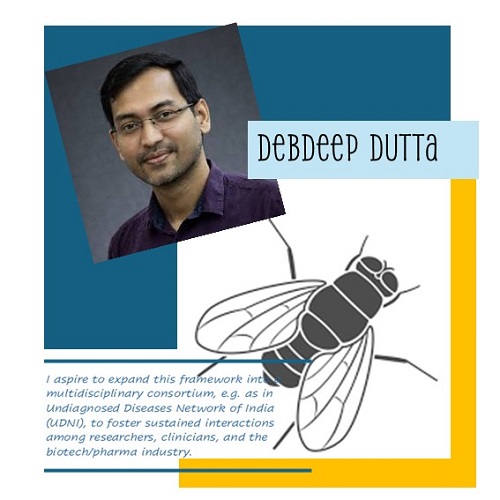
In conversation with Dr. Debdeep Assistant Professor Department of Biological Sciences and Bioengineering and the Mehta Family Centre for Engineering in Medicine.
Read More
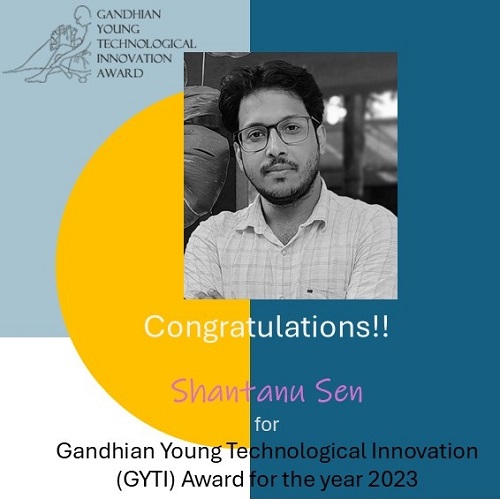
In conversation with Shantanu Sen PhD student of Prof. Sandeep Verma, on his recent study: “Synthesis of a highly thermostable insulin by phenylalanine conjugation at B29 Lysine”.
Read More

In conversation with Prof. R. Sankararamakrishnan recipient of the “Distinguished Teacher Award” IIT Kanpur, 2023
Read More

Prof. Nitin Gupta and team in a pioneering study display how individual chemical odorants are perceived and processed by the neuronal circuitries in the mosquito brain. Their results provides a unifying foundation to understand the neural basis of olfaction.
https://pubmed.ncbi.nlm.nih.gov/37322224/

A study by Prof. Sandeep Verma and group demonstrating the fabrication and use of highly sensitive PAN nanofiber and Silver nanoparticle-based SERS sensor for detection of β-Amyloid Peptides for Alzheimer's disease. The study offers potential to develop breakthrough platforms for ultra sensitive and selective detection of multiple biomarkers.
https://pubmed.ncbi.nlm.nih.gov/37243517

Recurrent joint bleeding in hemophilic patients can lead to a painful condition of hemophilic arthropathy. Prof. Jayandharan Rao & team have identified, using a hemophilia mice model, key molecules that could be responsible for rapid degeneration of joint cartilage. The study opens up possibilities of using these as potential therapeutic targets to check the disease progression.
https://pubmed.ncbi.nlm.nih.gov/37183540/

Multi-Drug-Resistance (MDR) poses a serious public health concern; Prof. Sandeep Verma and team in a collaborative effort have come up with a rationally designed cationic peptide conjugate that displays effective antibacterial activity against clinical MDR S. aureus. The study paves way to develop inhibitors for severe staphylococcal infections.
https://pubmed.ncbi.nlm.nih.gov/37071585/

Prof Jonaki Sen talks about her recent study on forebrain development in chick embryo. Prof. Sen discusses how her team identified novel downstream mediator of retinoic acid signaling required for invagination of forebrain roof plate, and how this study could help better understand certain defects leading to cerebral malformation in humans.
https://www.youtube.com/channel/UCjmDrSkNVS_IIZ5k0j6oy-A

GPCRs represent one of the largest family of cell-surface receptors regulating a plethora of cellular events and biological processes. In a collaborative study, Prof. Arun Shukla & Prof. Stephan Grzesiek, their teams demonstrate how multi-site phosphorylation controls interaction of GPCR or Chemokine Receptor with Arrestin. The study paves for better understanding of the diversity of GPCR signaling and developing potential intervention strategies.
https://pubmed.ncbi.nlm.nih.gov/37244255/

How diverse phosphorylation patterns in GPCRs influence recruitment, activation, & functional outcomes of its interacting partners is key to a comprehensive understanding of GPCR Biology. Prof. Arun Shukla & team, in a seminal study, using Cryo-EM have identified a novel motif in GPCRs that is critical for interaction and activation of its key molecular partner, the beta-Arrestins. The study paves way for design of novel intervention strategies targeting GPCR signalings.
https://pubmed.ncbi.nlm.nih.gov/37209686/
Overview
An existing research area at BSBE that encompasses attributes of fundamental biology, translational research and product development comes under the broad theme of Molecular Medicine and Engineering. BSBE currently hosts excellent research programs on cancer biology, gene therapy, chemical, synthetic and computational biology, which are utilizing a broad repertoire of cutting-edge approaches to address frontier research questions in the respective fields. More importantly, there is an unparalleled opportunity for us to expand our already strong footprint in this particular thematic direction by embarking on rapidly evolving, next-generation research sub-themes, and even breaking new grounds with respect to inception of currently lacking ambitious frameworks of interdisciplinary science.

Onco-targeting by precision medicine
One of the existing strengths at BSBE is a world-class program in cancer biology with a long-term goal of developing novel therapeutics, especially for cancers predominatly present in Indian sub-continent. Cancer is a clinically heterogeneous disease manifested by intra-tumoral as well as inter-patient molecular variability.

Genome and Cellular Engineering
Another major research strength at BSBE where we have unique edge with a multidisciplinary set of expertise is in the broad theme of molecular therapeutics. For example, the importance of gene and cell therapy for treating disorders with specific genetic defects has been recognized for long.

Chemical and synthetic approaches to drug discovery
One more research theme where BSBE faculty are amongst National and International leaders is chemical, structural and computation biology of important drug-targets involved in various types of human disorders.

Neuroscience and Neuroengineering
Understanding the brain is the ultimate challenge for the 21st century. Compared to other organs and systems in the body, the brain is by far the least understood. To be successful, neuroscience needs an amalgamation of techniques from multiple disciplines.
Grand Challenge
Overall, we envision that the upcoming phase of our research program spanning the next ten years or so, will involve faculty from the molecular medicine and engineering program from the four thematic areas (Chemical and synthetic approaches to drug discovery, Onco-targeting by precision medicine, genome and cellular engineering and Neuroscience and neuroengineering) to synergize their efforts to develop enabling bench-to-bedside solutions for the treatment of solid tumors (oral, breast, prostate and liver cancer) and neurological disorders. The focus of this initiative will be to develop local healthcare solutions to these conditions, including low cost diagnostics and therapeutics by employing a range of innovative genomic and proteomic analysis, orphan small-molecule and receptor scanning approach and development of synthetic gene/drug delivery systems. Long-term, we expect that this multidisciplinary research initiative in cancer/neurological disorder therapeutics will have a societal impact by

generation of high-quality intellectual property, specialized technical expertise and innovative products that will significantly improve the pace and output of research and development in these fields in India. This will be further supplemented by the proposed post-graduate program in Molecular Medicine and Engineering as an academic initiative of this program, to further train and disseminate this knowledge to the Nextgen leaders. Such a hub of excellence, once established, will seamlessly integrate into the proposed medical school at IIT-K to further drive and promote our vision to be leaders in this field.
About

Background information on BSBE
IITK planned to establish the first department of 'Biological Sciences and Bioengineering' in the country (amongst the IITs) in the year 2000. The new department was conceived with the objective of not only offering independent degrees in the domain of biology/bioengineering but also to interface with existing engineering departments and catapult their research and teaching.

BSBE's interdisciplinary nature
The current faculty at BSBE department come from a range of science (Mathematics, Physics, Chemistry and Biology) and engineering disciplines (Chemical Engineering, Computer Engineering, Electronics and Telecommunication Engineering) and work in challenging problems that transcend the boundaries of science, engineering and medicine.
Rationale for 'Engineering in Medicine'
While the department has made good progress in the past 18 years of its existence, the BSBE department now plans to make a greater impact both nationally and internationally. Centre for 'engineering in medicine' would act as a catalyst for engineers and biomedical scientists to work together on challenging medical problems.
Impact of Center and its Main Focus
Centre for 'engineering in medicine' will leverage the existing engineering strength of IITK and the biomedical research emphasis of BSBE faculty to enable a fast growth in the initial phase of the new "Centre for Engineering in Medicine". Setting up of such a centre will allow the department to focus on 'engineering solutions to medical problems' while allowing it to grow in terms of personnel(faculty, post-doctoral fellows, students and project employees); academic programs (integrated Ph.D., MS by research and more minors for UG students) and infrastructure (new building). Also, since the centre would focus on applying engineering principles for developing novel solution in medicine, it would naturally allow for the participation by faculty from other departments at IITK including other science and engineering departments. The centre will initially focus on three main areas: Regenerative Medicine, Molecular Medicine and Engineering, Digital Medicine

Regenerative Medicine
Regenerative Medicine
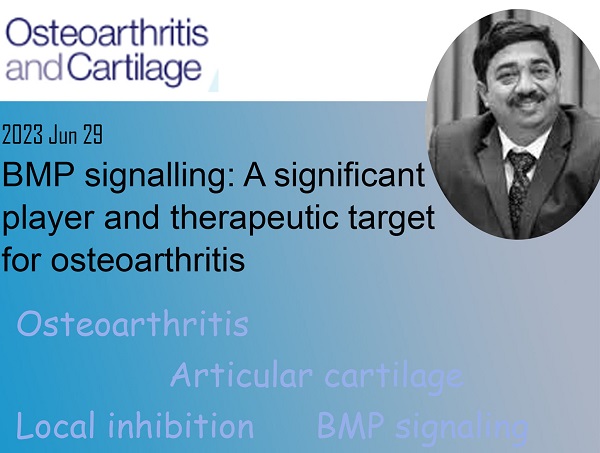
A study by Prof. Amitabha Bandyopadhyay and team uncovering the critical role of BMP signaling in Osteoarthritis (OA)—a painful debilitating disorder causing locomotive disability. The study offers local inhibition of BMP signaling as an effective therapy for OA.
https://pubmed.ncbi.nlm.nih.gov/37392862/

An insightful study by Prof. Amitabha Bandyopadhyay and team offers critical understanding into formation of limb joints. The study elaborates how interplay between key signaling pathways triggers activation of essential molecules that mark future joint sites. The insights offered in the study could be explored to address congenital skeletal joint defects.
https://pubmed.ncbi.nlm.nih.gov/37272420/
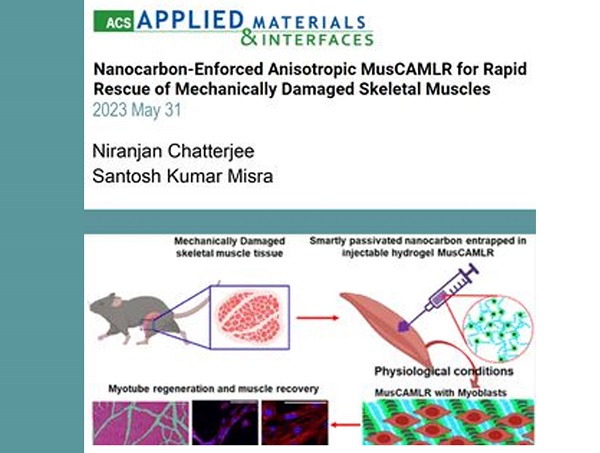
A study by Prof. Santosh Misra's team, spearheaded by Niranjan Chatterjee, displays the fabrication and use of advanced biomaterial systems as a non-drug therapeutic alternative for healing mechanically damaged muscles. The study shows how the passivated nanocarbon based biomaterial assists muscle regeneration, and could be of potential use in addressing other muscle disorders including muscular dystrophy.
https://pubmed.ncbi.nlm.nih.gov/37257065/

In an effort to mitigate damage due to incessant hemorrhage, Prof. Ashok Kumar and team have developed a cryogel with profound fluid absorption ability, rapid blood clotting and good antibacterial activity that can effectively inhibit bleeding from irregular and differently-compressible wound sites.
https://pubmed.ncbi.nlm.nih.gov/37068405/
Overview
With the advent of improvements in medical treatment, the ageing population is on the rise. This, combined with the continuous increase in the population has led to two major health related concerns: (i) increased prevalence of diseases, and (ii) increased mortality rates. It has been a perpetual goal of mankind to master the understanding of how diseases occur and arrive at better treatment strategies based on the understanding. In this pursuit, a more recent development has been the strategy of harnessing the fundamental building block of the human body, the human “cell”, for the treatment of disease conditions. This strategy, commonly known as ‘cell therapy’ has opened up multiple gates (so to say) for enabling improved treatment of diseases (eg. β-islet cell transplantation for the treatment of diabetes). Since all disease conditions involve a large collection of cells or ‘tissues’ being adversely affected, it became a natural goal to try and find ways to either replace or replenish these diseased tissues with healthy and functional tissue so as to restore normalcy to the concerned tissue and as a consequence to the individual. This approach of treating diseases has evolved as a new strategy/area of bioengineering that is called ‘tissue engineering’. Tissue engineering, if successful, can not only treat diseased tissue but can also be very useful for treating trauma patients (i.e. tissue lost in accidents or sports injuries). The field of tissue engineering has gradually grown to include cell engineering (including stem cell engineering), immune-engineering, extracellular matrix (ECM) engineering, development of biomaterial-based artificial ECMs and modulation/engineering of cell signalling. Since the implications of the field of ‘tissue engineering’ are largely in medicine the field has gradually begun to include aspects such as transplantation medicine, radiology (imaging especially non-invasive imaging of tissues), general surgery and other specialized medical disciplines that have to do with a specific disease condition (eg. Orthopaedics for bone tissue engineering). As a consequence of the involvement of medicine, the field of ‘tissue engineering’ has now become more inclusive and is termed as ‘regenerative medicine’. Regenerative medicine is projected to have a great impact on how patients will be treated in the future and hence is one of the chosen major goals of the ‘Centre for Engineering in Medicine’. Among the recent advances in the treatment of human disease in the modern era, few have been perceived to hold as much promise as stem cells and regenerative medicine for a wide variety of conditions. They offer unprecedented opportunities to develop new regenerative strategies and therapeutic approaches for debilitating conditions, previously considered untreatable.
Future Plans
The current faculty at BSBE department come from a range of science (Mathematics, Physics, Chemistry and Biology) and engineering disciplines (Chemical Engineering, Computer Engineering, Electronics and Telecommunication Engineering) and work in challenging problems that transcend the boundaries of science, engineering and medicine.
Grand Challenge
Some of the grand challenges that we would like to meet are as follows:
- Osteoarthritis is a degenerative condition that affects a large section of the Indian and world population. The current treatment strategies provide only symptomatic relief or a replacement of the damaged tissue using implants. A major challenge in the field has been to regenerate articular cartilage that can enable biomechanical function. Harnessing the expertise in developmental biology, scaffold engineering, stem cell engineering and growth factor delivery, we plan to take a hitherto unexplored developmental biology-based approach wherein the events and molecular players that play and important role in cartilage development will be tested for their ability to cause regeneration in adult cartilage tissue.
- Regeneration of tissues that do not have the inherent capacity to heal such as cardiac tissue and neural tissue have been a challenge in the field for quite some time now. We plan to take a biomimetic approach to design novel 3-dimensional scaffolds that can support the local tissue cells and thereby enable the regeneration of functional tissue.
- Oral cancer has a high prevalence in the local Kanpur and nearby areas. Unfortunately a large number of cases demand removal of large sections of the bone along with the tumor tissue. Therefore, development of therapies that can not only treat the cancer but can also enable regeneration of the lost bone tissue would be of high impact. Therefore, one of the grand challenges is to be able to achieve this.
- Modulating/engineering the immune system to enable improved treatment in disease conditions is an important and challenging goal. Immuno-engineering will include combining engineering techniques with immunology for improving therapeutics.
Home
Research Focus
Regenerative Medicine
With the advent of improvements in medical treatment, the ageing population is on the rise...
Know More...
Molecular Medicine and Engineering
An existing research area at BSBE that encompasses attributes of fundamental...
Know More...
Digital Medicine
Increased penetration of internet and mobile technologies, along with advances in AI...
Know More...
The Bhupat & Jyoti Mehta Family Foundation
MFCEM at the Indian Institute of Technology Kanpur is generously supported by the Mehta Family Foundation.