
Quick Links
Quick Links


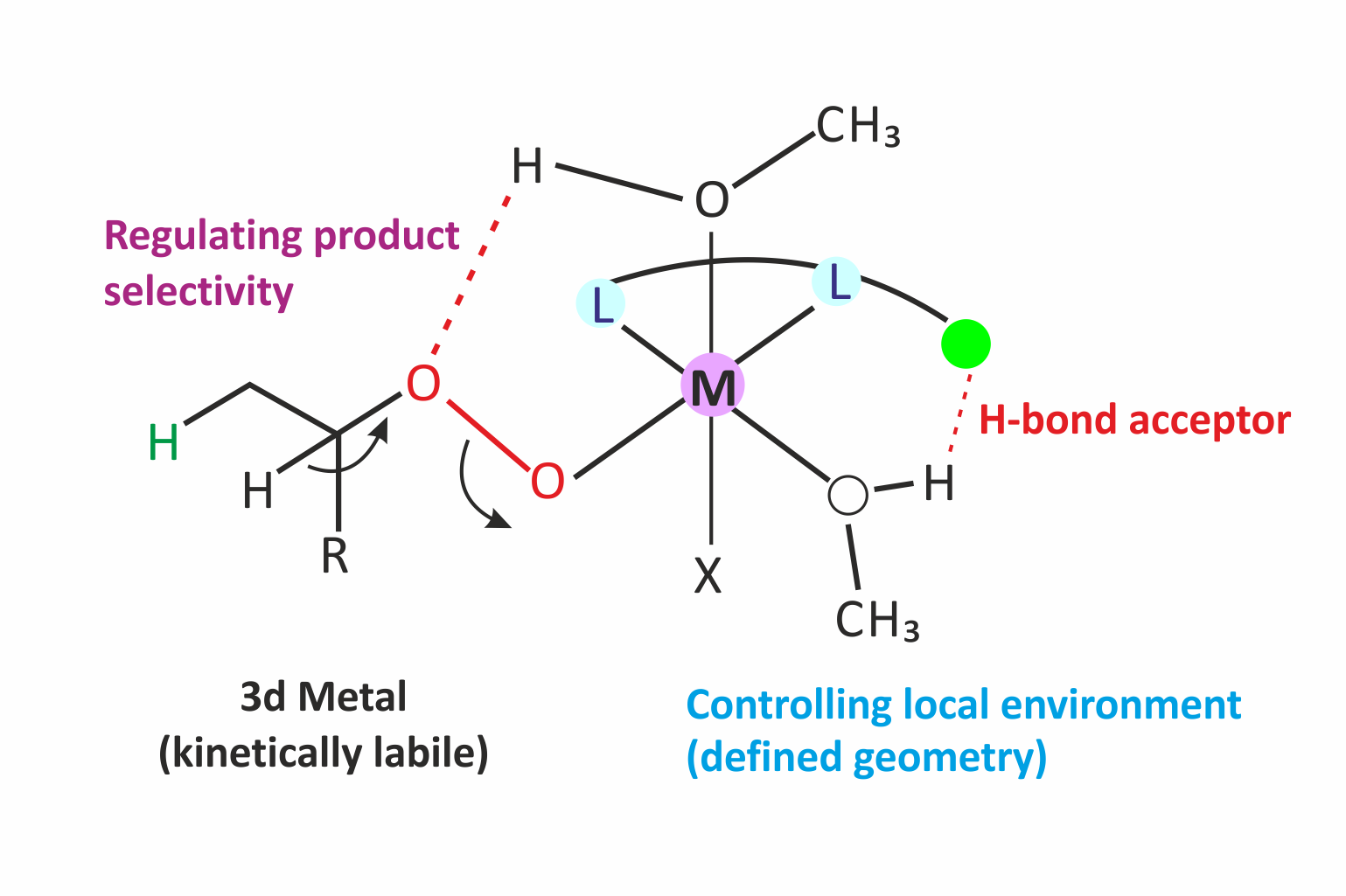
Secondary-Sphere Interactions for Controlling Catalytic Efficacy and Selectivity (Prof. Jitendra Bera, Chemistry)
Homogeneous transition metal catalysis plays a crucial role in modern energy and chemical transformations; however, the development of highly efficient and selective catalysts remains a major challenge. Conventional catalyst design has primarily focused on the primary coordination sphere. In contrast, nature employs a more sophisticated strategy in enzymatic catalysis, harnessing secondary-sphere interactions to fine-tune catalytic behavior. These interactions, which occur beyond the immediate coordination environment of the active site, can significantly influence catalytic activity, stability, and selectivity. This project focuses on the rational design of catalysts featuring well-defined secondary-sphere environments to precisely control catalytic performance. By incorporating non-covalent interactions such as hydrogen bonding, electrostatic interactions, and steric effects, into the catalyst framework, the project aims to modulate reaction pathways beyond the immediate metal centre. This approach enables greater control over catalytic processes for efficient, selective, and sustainable chemical transformations.
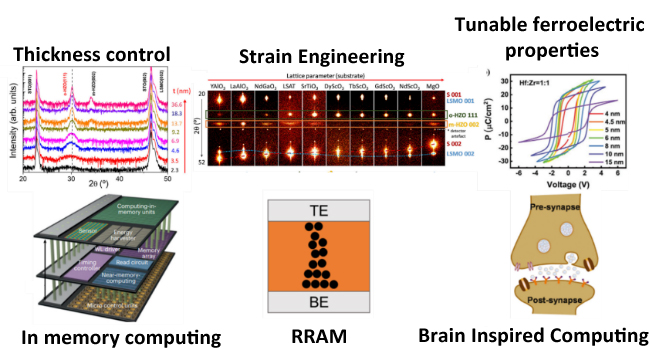
Hfo2-Based Ferroelectrics for Low Power Memory Application (Prof. Shikhar Mishra, Materials Science and Engineering)This study aims to investigate the...
Learn More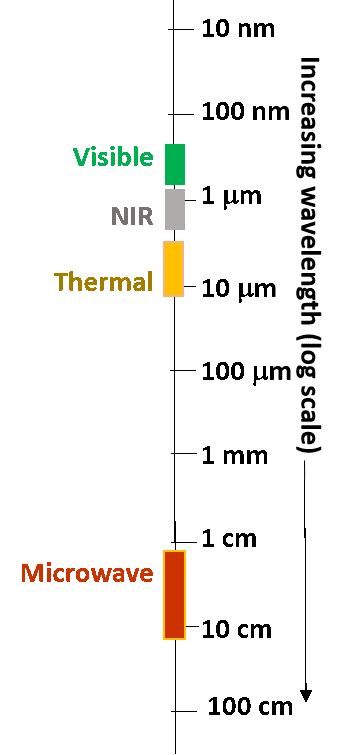
Multispectral Stealth Solutions Covering Visible, Nir, Thermal and Microwave Ranges Using Coating and Patterned Surfaces (Prof. R Vijaya, Physics)The ...
Learn More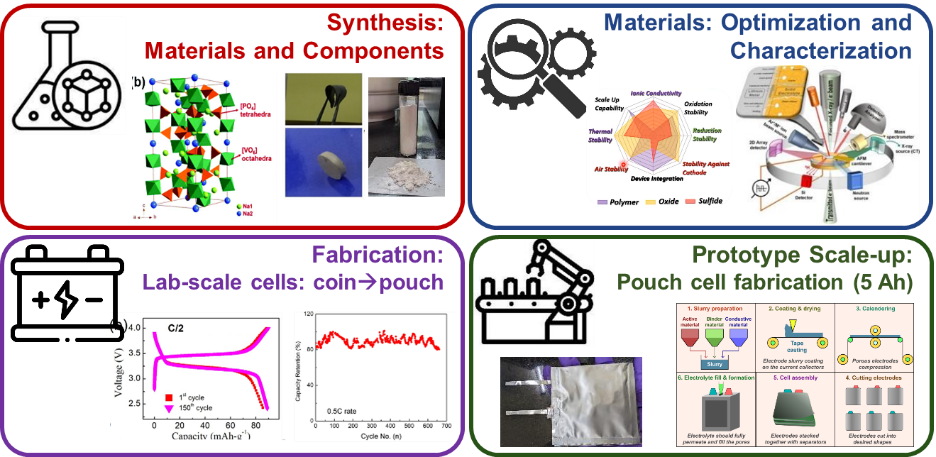
Flexible Solid-Electrolyte Alternative chemistry Batteries (Flex SEA Bat) (Prof. Sudarshan Narayanan, Sustainable Energy Engineering)This project, sup...
Learn More
Development and characterization of regulatory biomolecular circuits for plasmid copy numbers in synthetic biology (Prof. Abhilash Patel, Electrical E...
Learn More
Cyclic Thermal Testing of TBC Coated Superalloys in a Burner Rig (Prof. Abhijit Kushari, Aerospace Engineering)This project experimentally simulates G...
Learn More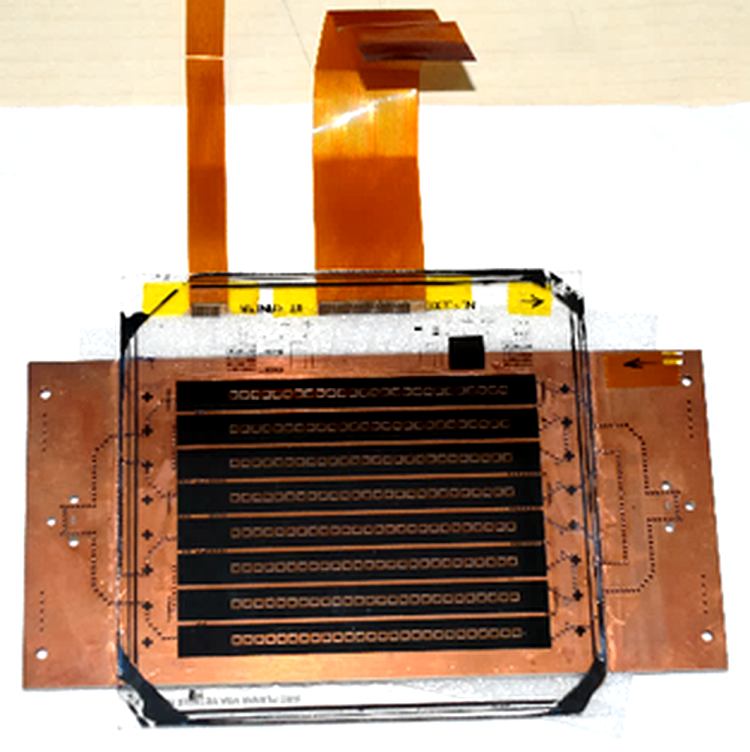
Processing of TFT Array and Liquid Crystal Layer and Their Integration with Metasufrace Antenna (Ashutosh Kumar Tripathi, FlexiE Centre)Space Applicat...
Learn More
Methods of Artificial Intelligence and Magneto-electric Effects in the Dynamics and Motion Control Problems of Telecommunication Spacecraft (Prof. Dip...
Learn More
Bharat-GPT A Suite of Generative AI Tech for India (Prof. Arnab Bhattacharya, Computer Science & Engineering)The role of IIT Kanpur is to lead the...
Learn More
Information Security Education and Awareness (ISEA) Project Phase-III (Prof. Urbi Chatterjee, Computer Science & Engineering)The research aims to ...
Learn More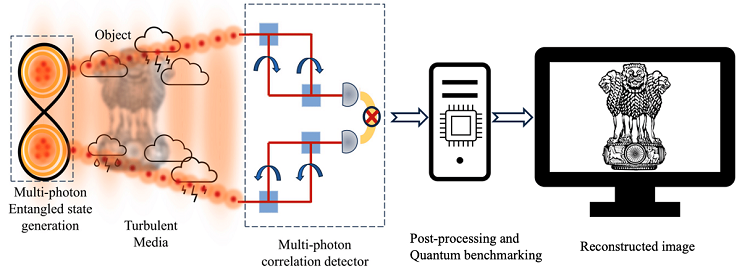
Design and Development of Quantum Entanglement-enhanced Imaging Systems (Prof. Anand Kumar Jha, Physics)The project is on developing quantum-entanglem...
Learn More